

#tradingcommunity
tradingcommunity
18.1M مشاهدات
39,453 يقومون بالنقاش
رائج
جديد
عرض الترجمة
التداول ليس لعبة توقع… بل لعبة احتمالات وانضباط.📊✅
أكبر خطأ يرتكبه المبتدئ هو أن يسأل:
❌ «أين ستذهب العملة؟»
بينما السؤال الأذكى هو:
✅ «ماذا سأفعل إذا تحرك السعر في كل اتجاه؟»
السوق لا يمنحك اليقين، بل يمنحك احتمالات.
🔥 5 أسرار يجب أن تفهمها مبكرًا:
1️⃣ لا تدخل لأن السعر يتحرك بسرعة.
الحركة القوية لا تعني أن الفرصة ما زالت أمامك. أحيانًا تكون قد فاتتك بالفعل.
2️⃣ وقف الخسارة ليس عدوك.
هو أداة لحماية رأس مالك عندما يصبح سيناريو الصفقة غير صالح.
3️⃣ الصفقة الجيدة ليست التي تربح دائمًا.
المتداول المنضبط يمكن أن يخسر عدة صفقات، لكنه يحافظ على خسائره ضمن حدود يمكن تحملها.
4️⃣ لا تجعل الرافعة المالية تختصر لك الطريق.
الرافعة تضخم الأرباح والخسائر معًا، وقد تؤدي إلى التصفية بسرعة. خصوصًا للمبتدئ، فهم السوق وإدارة المخاطر أهم بكثير من زيادة حجم الصفقة.
5️⃣ أهم رأس مال لديك ليس المال… بل القدرة على البقاء.
إذا خسرت رأس مالك بسبب صفقة واحدة، فلن تحصل على فرصة للاستفادة من الصفقة التالية.
🎯 قاعد.ةاليوم:
«لا تحاول أن تكون الشخص الذي يتنبأ بالسوق دائمًا…
كن الشخص الذي يعرف ماذا يفعل عندما يكون مخطئًا.»
📚 تعلّم → اختبر → أخطئ بخسارة صغيرة → حلّل → طوّر نظامك.
التداول مهارة تُبنى مع الوقت، وليست زرًا للثراء السريع.
#ETHETFS #TradingCommunity $YFI
{spot}(YFIUSDT)
التداول ليس لعبة توقع… بل لعبة احتمالات وانضباط.📊✅
أكبر خطأ يرتكبه المبتدئ هو أن يسأل:
❌ «أين ستذهب العملة؟»
بينما السؤال الأذكى هو:
✅ «ماذا سأفعل إذا تحرك السعر في كل اتجاه؟»
السوق لا يمنحك اليقين، بل يمنحك احتمالات.
🔥 5 أسرار يجب أن تفهمها مبكرًا:
1️⃣ لا تدخل لأن السعر يتحرك بسرعة.
الحركة القوية لا تعني أن الفرصة ما زالت أمامك. أحيانًا تكون قد فاتتك بالفعل.
2️⃣ وقف الخسارة ليس عدوك.
هو أداة لحماية رأس مالك عندما يصبح سيناريو الصفقة غير صالح.
3️⃣ الصفقة الجيدة ليست التي تربح دائمًا.
المتداول المنضبط يمكن أن يخسر عدة صفقات، لكنه يحافظ على خسائره ضمن حدود يمكن تحملها.
4️⃣ لا تجعل الرافعة المالية تختصر لك الطريق.
الرافعة تضخم الأرباح والخسائر معًا، وقد تؤدي إلى التصفية بسرعة. خصوصًا للمبتدئ، فهم السوق وإدارة المخاطر أهم بكثير من زيادة حجم الصفقة.
5️⃣ أهم رأس مال لديك ليس المال… بل القدرة على البقاء.
إذا خسرت رأس مالك بسبب صفقة واحدة، فلن تحصل على فرصة للاستفادة من الصفقة التالية.
🎯 قاعد.ةاليوم:
«لا تحاول أن تكون الشخص الذي يتنبأ بالسوق دائمًا…
كن الشخص الذي يعرف ماذا يفعل عندما يكون مخطئًا.»
📚 تعلّم → اختبر → أخطئ بخسارة صغيرة → حلّل → طوّر نظامك.
التداول مهارة تُبنى مع الوقت، وليست زرًا للثراء السريع.
#ETHETFS #TradingCommunity $YFI
أكبر خطأ يرتكبه المبتدئ هو أن يسأل:
❌ «أين ستذهب العملة؟»
بينما السؤال الأذكى هو:
✅ «ماذا سأفعل إذا تحرك السعر في كل اتجاه؟»
السوق لا يمنحك اليقين، بل يمنحك احتمالات.
🔥 5 أسرار يجب أن تفهمها مبكرًا:
1️⃣ لا تدخل لأن السعر يتحرك بسرعة.
الحركة القوية لا تعني أن الفرصة ما زالت أمامك. أحيانًا تكون قد فاتتك بالفعل.
2️⃣ وقف الخسارة ليس عدوك.
هو أداة لحماية رأس مالك عندما يصبح سيناريو الصفقة غير صالح.
3️⃣ الصفقة الجيدة ليست التي تربح دائمًا.
المتداول المنضبط يمكن أن يخسر عدة صفقات، لكنه يحافظ على خسائره ضمن حدود يمكن تحملها.
4️⃣ لا تجعل الرافعة المالية تختصر لك الطريق.
الرافعة تضخم الأرباح والخسائر معًا، وقد تؤدي إلى التصفية بسرعة. خصوصًا للمبتدئ، فهم السوق وإدارة المخاطر أهم بكثير من زيادة حجم الصفقة.
5️⃣ أهم رأس مال لديك ليس المال… بل القدرة على البقاء.
إذا خسرت رأس مالك بسبب صفقة واحدة، فلن تحصل على فرصة للاستفادة من الصفقة التالية.
🎯 قاعد.ةاليوم:
«لا تحاول أن تكون الشخص الذي يتنبأ بالسوق دائمًا…
كن الشخص الذي يعرف ماذا يفعل عندما يكون مخطئًا.»
📚 تعلّم → اختبر → أخطئ بخسارة صغيرة → حلّل → طوّر نظامك.
التداول مهارة تُبنى مع الوقت، وليست زرًا للثراء السريع.
#ETHETFS #TradingCommunity $YFI
1
201
·
--
صاعد
عرض الترجمة
💱🗿🍷 Esse é o mercado, você pode ser um holder e ter a paciência para comprar, esperar, e vender com lucro.
Ou pode estudar e fazer trade, com mais risco porém com possibilidade e retornos mais expressivos, já que em 1 mês você pode multiplicar a quantidade de tokens comprados com um determinado valor, aumentando assim sua rentabilidade futura.
ambos exigem uma mentalidade boa.
você é Holder ou Trader? 🤔
$BTTC $GLMR $QNT
#TradingCommunity #trandingcoins #hold
💱🗿🍷 Esse é o mercado, você pode ser um holder e ter a paciência para comprar, esperar, e vender com lucro.
Ou pode estudar e fazer trade, com mais risco porém com possibilidade e retornos mais expressivos, já que em 1 mês você pode multiplicar a quantidade de tokens comprados com um determinado valor, aumentando assim sua rentabilidade futura.
ambos exigem uma mentalidade boa.
você é Holder ou Trader? 🤔
$BTTC $GLMR $QNT
#TradingCommunity #trandingcoins #hold
Ou pode estudar e fazer trade, com mais risco porém com possibilidade e retornos mais expressivos, já que em 1 mês você pode multiplicar a quantidade de tokens comprados com um determinado valor, aumentando assim sua rentabilidade futura.
ambos exigem uma mentalidade boa.
você é Holder ou Trader? 🤔
$BTTC $GLMR $QNT
#TradingCommunity #trandingcoins #hold
318

🎉🎉💰 الربح الصغير أيضًا ربح!
في عالم الكريبتو، كثير منا دائمًا يبحث عن ربح كبير. نرى شخصًا يحقق 50% أو 100% أو حتى أكثر، ثم نبدأ بالتفكير: “لماذا أنا أربح فقط ربحًا صغيرًا؟”
لكنني أعتقد أن هذا النوع من التفكير قد يجعلنا نتحمل مخاطر غير ضرورية.
سوق الكريبتو يمكن أن يتغير بسرعة كبيرة. قد ترتفع إحدى العملات اليوم وتنخفض غدًا. لذلك، محاولة تحقيق ربح ضخم من كل صفقة ليست دائمًا فكرة جيدة.
أحيانًا تحقيق ربح صغير وحماية أموالنا أيضًا نتيجة جيدة. على سبيل المثال، إذا حقق شخص ما 5% أو 10% من صفقة بخطة مناسبة، فلا يوجد شيء خاطئ في ذلك. لسنا بحاجة إلى الإمساك بأكبر حركة في كل مرة.
الأهم هو تعلم كيفية إدارة المخاطر. إذا حققنا ربحًا، لا يجب أن نُصبح مفرطين في الثقة. وإذا تكبدنا خسارة، لا يجب أن نحاول تعويضها فورًا عبر الدخول في صفقة أكبر.
وأنا أيضًا أؤمن بأن الصبر مهم جدًا في الكريبتو. ستكون هناك فرص كثيرة في المستقبل. ليس علينا التسرع بسبب عملة واحدة أو موجة واحدة.
أحيانًا يمنحنا السوق دخولًا جيدًا، وأحيانًا لا. الانتظار جزء من التداول أيضًا.
📌 بالنسبة لي، الهدف الرئيسي ليس أن أصبح غنيًا بين ليلة وضحاها. الهدف الرئيسي هو أن أتعلم، وأحمي رأسمالي، وأن أصبح تدريجيًا أفضل في فهم السوق.
صفقة واحدة ناجحة لا تجعلنا متداولين عظماء، وصفقة واحدة سيئة لا تعني أننا فاشلون. كل صفقة يمكن أن تُعلّمنا شيئًا.
💬 ماذا تفضل؟
ربح صغير بمخاطر أقل، أم محاولة تحقيق ربح كبير بمخاطر أعلى؟
شارك أفكارك أدناه 👇
#BinanceSquare #Crypto #TradingTips #DYOR #TradingCommunity
$BTC
{spot}(BTCUSDT)
🎉🎉💰 الربح الصغير أيضًا ربح!
في عالم الكريبتو، كثير منا دائمًا يبحث عن ربح كبير. نرى شخصًا يحقق 50% أو 100% أو حتى أكثر، ثم نبدأ بالتفكير: “لماذا أنا أربح فقط ربحًا صغيرًا؟”
لكنني أعتقد أن هذا النوع من التفكير قد يجعلنا نتحمل مخاطر غير ضرورية.
سوق الكريبتو يمكن أن يتغير بسرعة كبيرة. قد ترتفع إحدى العملات اليوم وتنخفض غدًا. لذلك، محاولة تحقيق ربح ضخم من كل صفقة ليست دائمًا فكرة جيدة.
أحيانًا تحقيق ربح صغير وحماية أموالنا أيضًا نتيجة جيدة. على سبيل المثال، إذا حقق شخص ما 5% أو 10% من صفقة بخطة مناسبة، فلا يوجد شيء خاطئ في ذلك. لسنا بحاجة إلى الإمساك بأكبر حركة في كل مرة.
الأهم هو تعلم كيفية إدارة المخاطر. إذا حققنا ربحًا، لا يجب أن نُصبح مفرطين في الثقة. وإذا تكبدنا خسارة، لا يجب أن نحاول تعويضها فورًا عبر الدخول في صفقة أكبر.
وأنا أيضًا أؤمن بأن الصبر مهم جدًا في الكريبتو. ستكون هناك فرص كثيرة في المستقبل. ليس علينا التسرع بسبب عملة واحدة أو موجة واحدة.
أحيانًا يمنحنا السوق دخولًا جيدًا، وأحيانًا لا. الانتظار جزء من التداول أيضًا.
📌 بالنسبة لي، الهدف الرئيسي ليس أن أصبح غنيًا بين ليلة وضحاها. الهدف الرئيسي هو أن أتعلم، وأحمي رأسمالي، وأن أصبح تدريجيًا أفضل في فهم السوق.
صفقة واحدة ناجحة لا تجعلنا متداولين عظماء، وصفقة واحدة سيئة لا تعني أننا فاشلون. كل صفقة يمكن أن تُعلّمنا شيئًا.
💬 ماذا تفضل؟
ربح صغير بمخاطر أقل، أم محاولة تحقيق ربح كبير بمخاطر أعلى؟
شارك أفكارك أدناه 👇
#BinanceSquare #Crypto #TradingTips #DYOR #TradingCommunity
$BTC
في عالم الكريبتو، كثير منا دائمًا يبحث عن ربح كبير. نرى شخصًا يحقق 50% أو 100% أو حتى أكثر، ثم نبدأ بالتفكير: “لماذا أنا أربح فقط ربحًا صغيرًا؟”
لكنني أعتقد أن هذا النوع من التفكير قد يجعلنا نتحمل مخاطر غير ضرورية.
سوق الكريبتو يمكن أن يتغير بسرعة كبيرة. قد ترتفع إحدى العملات اليوم وتنخفض غدًا. لذلك، محاولة تحقيق ربح ضخم من كل صفقة ليست دائمًا فكرة جيدة.
أحيانًا تحقيق ربح صغير وحماية أموالنا أيضًا نتيجة جيدة. على سبيل المثال، إذا حقق شخص ما 5% أو 10% من صفقة بخطة مناسبة، فلا يوجد شيء خاطئ في ذلك. لسنا بحاجة إلى الإمساك بأكبر حركة في كل مرة.
الأهم هو تعلم كيفية إدارة المخاطر. إذا حققنا ربحًا، لا يجب أن نُصبح مفرطين في الثقة. وإذا تكبدنا خسارة، لا يجب أن نحاول تعويضها فورًا عبر الدخول في صفقة أكبر.
وأنا أيضًا أؤمن بأن الصبر مهم جدًا في الكريبتو. ستكون هناك فرص كثيرة في المستقبل. ليس علينا التسرع بسبب عملة واحدة أو موجة واحدة.
أحيانًا يمنحنا السوق دخولًا جيدًا، وأحيانًا لا. الانتظار جزء من التداول أيضًا.
📌 بالنسبة لي، الهدف الرئيسي ليس أن أصبح غنيًا بين ليلة وضحاها. الهدف الرئيسي هو أن أتعلم، وأحمي رأسمالي، وأن أصبح تدريجيًا أفضل في فهم السوق.
صفقة واحدة ناجحة لا تجعلنا متداولين عظماء، وصفقة واحدة سيئة لا تعني أننا فاشلون. كل صفقة يمكن أن تُعلّمنا شيئًا.
💬 ماذا تفضل؟
ربح صغير بمخاطر أقل، أم محاولة تحقيق ربح كبير بمخاطر أعلى؟
شارك أفكارك أدناه 👇
#BinanceSquare #Crypto #TradingTips #DYOR #TradingCommunity
$BTC

Necr0munger:
lilith
5
47

أريد أن أنمو كمتخصص محلل كريبتو محترف وصانع محتوى! قد تكون الرحلة صعبة، لكن مع حبّك ودعمك، لا شيء مستحيل. معًا، يمكننا بناء مجتمع قوي ورائع. 🚀
لمساعدتي على التحسّن في هذه الرحلة، ما نوع المحتوى الذي ترغب في رؤيته أكثر؟
1. التحليل الفني المتقدم والإشارات 📈
2. تحديثات السوق اليومية والاتجاهات 🌐
أخبرني برأيك في التعليقات أدناه!
$BTC $ETH
#EarningsSeason #TradingCommunity #BinanceSquareFamily
{spot}(ETHUSDT)
{spot}(BTCUSDT)
أريد أن أنمو كمتخصص محلل كريبتو محترف وصانع محتوى! قد تكون الرحلة صعبة، لكن مع حبّك ودعمك، لا شيء مستحيل. معًا، يمكننا بناء مجتمع قوي ورائع. 🚀
لمساعدتي على التحسّن في هذه الرحلة، ما نوع المحتوى الذي ترغب في رؤيته أكثر؟
1. التحليل الفني المتقدم والإشارات 📈
2. تحديثات السوق اليومية والاتجاهات 🌐
أخبرني برأيك في التعليقات أدناه!
$BTC $ETH
#EarningsSeason #TradingCommunity #BinanceSquareFamily
لمساعدتي على التحسّن في هذه الرحلة، ما نوع المحتوى الذي ترغب في رؤيته أكثر؟
1. التحليل الفني المتقدم والإشارات 📈
2. تحديثات السوق اليومية والاتجاهات 🌐
أخبرني برأيك في التعليقات أدناه!
$BTC $ETH
#EarningsSeason #TradingCommunity #BinanceSquareFamily
Technical Analysis & Signals📉
Daily Market Updates & Trends
6 يوم (أيام) مُتبقية
317

·
--
إدارة المخاطر
من أكبر الدروس التي تعلمتها في التداول أنَّه لا تحتاج إلى المخاطرة بكثير لتنمو.
الحفاظ على مستوى المخاطرة عند حوالي 1% لكل صفقة يساعد على حماية حسابك عندما لا تسير الصفقة كما خُطط لها. الخسائر جزء من التداول؛ والهدف هو التأكد من أن خسارة واحدة لا تُخرجك من اللعبة.
لكن النجاح في التداول لا يحدث بين ليلة وضحاها.
يتطور مع الوقت عبر:
📊 التحضير الفني — فهم البنية والاتجاهات والمستويات والإعدادات
🧠 التحكم العاطفي — إدارة الخوف والطمع ودافع الانتقام في التداول
📋 التقييم — مراجعة الصفقات الرابحة والخاسرة
🎯 الانضباط — الالتزام بخطتك حتى عندما لا يتحرك السوق لصالحك
الإعداد الجيد لا يعني شيئًا إذا لم تكن قادرًا على إدارة المخاطر أو التحكم في مشاعرك.
حافظ على الحساب أولاً. حسّن العملية ثانيًا.
تأتي النتائج مع الاتساق مع مرور الوقت.
تابع للمزيد من دروس التداول والأفكار حول السوق.
#TradingCommunity #RiskManagement
إدارة المخاطر
من أكبر الدروس التي تعلمتها في التداول أنَّه لا تحتاج إلى المخاطرة بكثير لتنمو.
الحفاظ على مستوى المخاطرة عند حوالي 1% لكل صفقة يساعد على حماية حسابك عندما لا تسير الصفقة كما خُطط لها. الخسائر جزء من التداول؛ والهدف هو التأكد من أن خسارة واحدة لا تُخرجك من اللعبة.
لكن النجاح في التداول لا يحدث بين ليلة وضحاها.
يتطور مع الوقت عبر:
📊 التحضير الفني — فهم البنية والاتجاهات والمستويات والإعدادات
🧠 التحكم العاطفي — إدارة الخوف والطمع ودافع الانتقام في التداول
📋 التقييم — مراجعة الصفقات الرابحة والخاسرة
🎯 الانضباط — الالتزام بخطتك حتى عندما لا يتحرك السوق لصالحك
الإعداد الجيد لا يعني شيئًا إذا لم تكن قادرًا على إدارة المخاطر أو التحكم في مشاعرك.
حافظ على الحساب أولاً. حسّن العملية ثانيًا.
تأتي النتائج مع الاتساق مع مرور الوقت.
تابع للمزيد من دروس التداول والأفكار حول السوق.
#TradingCommunity #RiskManagement
من أكبر الدروس التي تعلمتها في التداول أنَّه لا تحتاج إلى المخاطرة بكثير لتنمو.
الحفاظ على مستوى المخاطرة عند حوالي 1% لكل صفقة يساعد على حماية حسابك عندما لا تسير الصفقة كما خُطط لها. الخسائر جزء من التداول؛ والهدف هو التأكد من أن خسارة واحدة لا تُخرجك من اللعبة.
لكن النجاح في التداول لا يحدث بين ليلة وضحاها.
يتطور مع الوقت عبر:
📊 التحضير الفني — فهم البنية والاتجاهات والمستويات والإعدادات
🧠 التحكم العاطفي — إدارة الخوف والطمع ودافع الانتقام في التداول
📋 التقييم — مراجعة الصفقات الرابحة والخاسرة
🎯 الانضباط — الالتزام بخطتك حتى عندما لا يتحرك السوق لصالحك
الإعداد الجيد لا يعني شيئًا إذا لم تكن قادرًا على إدارة المخاطر أو التحكم في مشاعرك.
حافظ على الحساب أولاً. حسّن العملية ثانيًا.
تأتي النتائج مع الاتساق مع مرور الوقت.
تابع للمزيد من دروس التداول والأفكار حول السوق.
#TradingCommunity #RiskManagement
43
·
--
مقالة
لقد أنفقت 1 000 $ في مطعم دون أن أرمش. في اليوم التالي، كنت أُفاوض على 2 $عندما بدأت العملات المشفرة تُدرّ عليّ مبالغ خيالية، انفصل عقلي تمامًا عن قيمة المال.
على الشاشة، كانت أرقامًا مجردة. 500 كسب في ساعة، و2 000 في ليلة واحدة. بسرعة، فقد المال الحقيقي كل معناه:
لم أعد أحسب خرجاتي.
كنت أشتري أشياء غير ضرورية وأنا أقول لنفسي: «على أي حال، مجرد صفقة بسيطة لمدة 10 دقائق ستُعيد كل هذا إلى سابقه.»
كنت أحتقر تقريبًا جهد العمل اليومي.
كنت أعيش في وهم كامل، مقتنعًا/مقتنعة بأن هذا الثراء السهل لن يتوقف أبدًا.
لقد أنفقت 1 000 $ في مطعم دون أن أرمش. في اليوم التالي، كنت أُفاوض على 2 $
عندما بدأت العملات المشفرة تُدرّ عليّ مبالغ خيالية، انفصل عقلي تمامًا عن قيمة المال.
على الشاشة، كانت أرقامًا مجردة. 500 كسب في ساعة، و2 000 في ليلة واحدة. بسرعة، فقد المال الحقيقي كل معناه:
لم أعد أحسب خرجاتي.
كنت أشتري أشياء غير ضرورية وأنا أقول لنفسي: «على أي حال، مجرد صفقة بسيطة لمدة 10 دقائق ستُعيد كل هذا إلى سابقه.»
كنت أحتقر تقريبًا جهد العمل اليومي.
كنت أعيش في وهم كامل، مقتنعًا/مقتنعة بأن هذا الثراء السهل لن يتوقف أبدًا.
على الشاشة، كانت أرقامًا مجردة. 500 كسب في ساعة، و2 000 في ليلة واحدة. بسرعة، فقد المال الحقيقي كل معناه:
لم أعد أحسب خرجاتي.
كنت أشتري أشياء غير ضرورية وأنا أقول لنفسي: «على أي حال، مجرد صفقة بسيطة لمدة 10 دقائق ستُعيد كل هذا إلى سابقه.»
كنت أحتقر تقريبًا جهد العمل اليومي.
كنت أعيش في وهم كامل، مقتنعًا/مقتنعة بأن هذا الثراء السهل لن يتوقف أبدًا.
206 Atlas:
That disconnect between abstract PnL and real liquidity is the fastest way to blow up. Realign your risk management before the next surge hits.
1
7
4.3k

·
--
🔥 تم فتح معلم سيولة 1,000 عضو لـ $BTC TRADERS مع مكافآت حصرية في الطريق! 🚀
🌊 تتحرك رؤوس الأموال بذكاء داخل دوائر مترابطة، ونحن نوسع بسرعة مكتب التداول الداخلي الخاص بنا باتجاه معيار رئيسي هذا الأسبوع يضم 1,000 عضو. يتصاعد الزخم بسرعة مع توافق تدفق الأوامر، وتأتي الترتيبات المبكرة بمكافآت مجتمعية ملموسة بمجرد أن يتحول هذا الحدّ الرئيسي. 📊
💡 عندما تُجمّع الأموال الذكية بيانات السوق في الوقت الحقيقي، يتضاعف التفوق. نحن نوحّد قناعة السوق الحقيقية للسبق خلال موجة التقلب التالية قبل أن يلتقطها الجميع. 📌
🤔 هل أنت متوافق مع تدفق أوامر المؤسسات لالتقاط الحركة المتفجرة القادمة، أم تراقب من جانب الطريق؟ 👇
⚠️ ليس نصيحة مالية. دائمًا أدرِك مخاطرَك. 🛡️
🏷️ #BTC #Crypto #MarketInsight #TradingCommunity
🔥 💎
🔥 تم فتح معلم سيولة 1,000 عضو لـ $BTC TRADERS مع مكافآت حصرية في الطريق! 🚀
🌊 تتحرك رؤوس الأموال بذكاء داخل دوائر مترابطة، ونحن نوسع بسرعة مكتب التداول الداخلي الخاص بنا باتجاه معيار رئيسي هذا الأسبوع يضم 1,000 عضو. يتصاعد الزخم بسرعة مع توافق تدفق الأوامر، وتأتي الترتيبات المبكرة بمكافآت مجتمعية ملموسة بمجرد أن يتحول هذا الحدّ الرئيسي. 📊
💡 عندما تُجمّع الأموال الذكية بيانات السوق في الوقت الحقيقي، يتضاعف التفوق. نحن نوحّد قناعة السوق الحقيقية للسبق خلال موجة التقلب التالية قبل أن يلتقطها الجميع. 📌
🤔 هل أنت متوافق مع تدفق أوامر المؤسسات لالتقاط الحركة المتفجرة القادمة، أم تراقب من جانب الطريق؟ 👇
⚠️ ليس نصيحة مالية. دائمًا أدرِك مخاطرَك. 🛡️
🏷️ #BTC #Crypto #MarketInsight #TradingCommunity
🔥 💎
🌊 تتحرك رؤوس الأموال بذكاء داخل دوائر مترابطة، ونحن نوسع بسرعة مكتب التداول الداخلي الخاص بنا باتجاه معيار رئيسي هذا الأسبوع يضم 1,000 عضو. يتصاعد الزخم بسرعة مع توافق تدفق الأوامر، وتأتي الترتيبات المبكرة بمكافآت مجتمعية ملموسة بمجرد أن يتحول هذا الحدّ الرئيسي. 📊
💡 عندما تُجمّع الأموال الذكية بيانات السوق في الوقت الحقيقي، يتضاعف التفوق. نحن نوحّد قناعة السوق الحقيقية للسبق خلال موجة التقلب التالية قبل أن يلتقطها الجميع. 📌
🤔 هل أنت متوافق مع تدفق أوامر المؤسسات لالتقاط الحركة المتفجرة القادمة، أم تراقب من جانب الطريق؟ 👇
⚠️ ليس نصيحة مالية. دائمًا أدرِك مخاطرَك. 🛡️
🏷️ #BTC #Crypto #MarketInsight #TradingCommunity
🔥 💎
31
·
--
مقالة
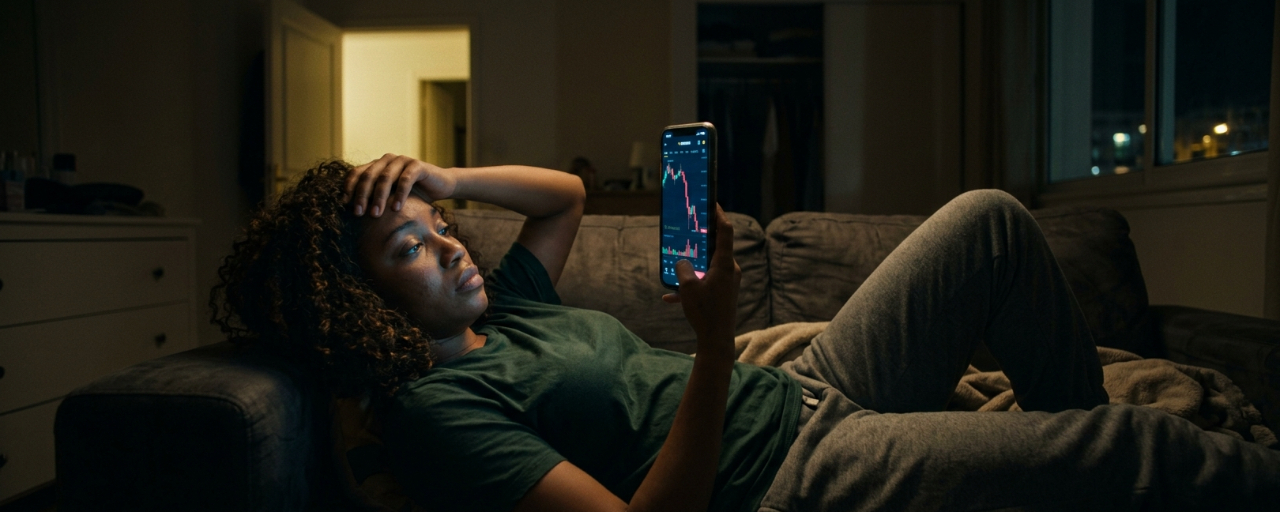
كانت الساعة 3:42 صباحًا. كان الضوء الأزرق من هاتفي يضيء الغرفة.لم أعد أنام. كنت أغفو وعيناي ثابتتان على شموع دقيقة واحدة، وأفيق على قفزة عند أدنى تنبيه إشعار بنغمة.
في تلك الليلة، كنت قد فتحت صفقة برافعة x20. كنت أحتاج إلى «تعويض» خسارة سابقة. في رأسي لم يعد الأمر استثمارًا: بل كانت حربًا شخصية ضد المخطط البياني. رفضت أن أكون مخطئًا.
ثم سقطت الرسالة التلقائية:
«تنبيه: تم تصفية مركزك.»
في جزء من الثانية، أصبح الصمت مخيفًا لدرجة أنه يجلد الأذن. تم تفريغ الحساب. لكن الأسوأ لم يكن الخسارة المالية: بل كانت حالة الإرهاق الذهني التي حبست نفسي فيها. كنت قد ضحيت بنومي ومزاجي مع من أحببتهم وسكينتي النفسية مقابل خط أخضر أو أحمر.
كانت الساعة 3:42 صباحًا. كان الضوء الأزرق من هاتفي يضيء الغرفة.
لم أعد أنام. كنت أغفو وعيناي ثابتتان على شموع دقيقة واحدة، وأفيق على قفزة عند أدنى تنبيه إشعار بنغمة.
في تلك الليلة، كنت قد فتحت صفقة برافعة x20. كنت أحتاج إلى «تعويض» خسارة سابقة. في رأسي لم يعد الأمر استثمارًا: بل كانت حربًا شخصية ضد المخطط البياني. رفضت أن أكون مخطئًا.
ثم سقطت الرسالة التلقائية:
«تنبيه: تم تصفية مركزك.»
في جزء من الثانية، أصبح الصمت مخيفًا لدرجة أنه يجلد الأذن. تم تفريغ الحساب. لكن الأسوأ لم يكن الخسارة المالية: بل كانت حالة الإرهاق الذهني التي حبست نفسي فيها. كنت قد ضحيت بنومي ومزاجي مع من أحببتهم وسكينتي النفسية مقابل خط أخضر أو أحمر.
في تلك الليلة، كنت قد فتحت صفقة برافعة x20. كنت أحتاج إلى «تعويض» خسارة سابقة. في رأسي لم يعد الأمر استثمارًا: بل كانت حربًا شخصية ضد المخطط البياني. رفضت أن أكون مخطئًا.
ثم سقطت الرسالة التلقائية:
«تنبيه: تم تصفية مركزك.»
في جزء من الثانية، أصبح الصمت مخيفًا لدرجة أنه يجلد الأذن. تم تفريغ الحساب. لكن الأسوأ لم يكن الخسارة المالية: بل كانت حالة الإرهاق الذهني التي حبست نفسي فيها. كنت قد ضحيت بنومي ومزاجي مع من أحببتهم وسكينتي النفسية مقابل خط أخضر أو أحمر.
4
1.1k

·
--
صاعد
القاعدة الذهبية للنجاة في التداول (وتجنب خسارة كل شيء) 📉🚀
يبدأ الكثيرون في السوق بحثًا عن الربح السريع، لكن السر الحقيقي للمتداولين الذين يستمرون يكمن في شيء واحد فقط: إدارة المخاطر.
إليك 3 أخطاء يجب تجنبها تمامًا عند فتح صفقة:
عدم استخدام وقف الخسارة (Stop-Loss): ترك الصفقة مفتوحة على أمل أن ينعكس السوق من تلقاء نفسه هو أفضل طريقة لتفريغ محفظتك.
الاستثمار بأموال تحتاجها أنت: لا تضع أبدًا الأموال الأساسية لحياتك اليومية في التداول. التوتر يؤدي مباشرةً إلى قرارات سيئة.
متابعة الضجة (Hype) بشكل أعمى: ليس لأن إحدى العملات المشفرة تصنع ضجيجًا أنها تناسب استراتيجيتك. قم بإجراء أبحاثك الخاصة.
القرار والانضباط يصنعان كل الفارق تحت الضغط.
#bitcoin , #BinanceSquareTalks , #TradingCommunity
👉 وأنت، ما أكبر صعوبة تواجهها عندما تفتح صفقة؟ أخبرني في التعليقات!
{spot}(BTCUSDT)
القاعدة الذهبية للنجاة في التداول (وتجنب خسارة كل شيء) 📉🚀
يبدأ الكثيرون في السوق بحثًا عن الربح السريع، لكن السر الحقيقي للمتداولين الذين يستمرون يكمن في شيء واحد فقط: إدارة المخاطر.
إليك 3 أخطاء يجب تجنبها تمامًا عند فتح صفقة:
عدم استخدام وقف الخسارة (Stop-Loss): ترك الصفقة مفتوحة على أمل أن ينعكس السوق من تلقاء نفسه هو أفضل طريقة لتفريغ محفظتك.
الاستثمار بأموال تحتاجها أنت: لا تضع أبدًا الأموال الأساسية لحياتك اليومية في التداول. التوتر يؤدي مباشرةً إلى قرارات سيئة.
متابعة الضجة (Hype) بشكل أعمى: ليس لأن إحدى العملات المشفرة تصنع ضجيجًا أنها تناسب استراتيجيتك. قم بإجراء أبحاثك الخاصة.
القرار والانضباط يصنعان كل الفارق تحت الضغط.
#bitcoin , #BinanceSquareTalks , #TradingCommunity
👉 وأنت، ما أكبر صعوبة تواجهها عندما تفتح صفقة؟ أخبرني في التعليقات!
يبدأ الكثيرون في السوق بحثًا عن الربح السريع، لكن السر الحقيقي للمتداولين الذين يستمرون يكمن في شيء واحد فقط: إدارة المخاطر.
إليك 3 أخطاء يجب تجنبها تمامًا عند فتح صفقة:
عدم استخدام وقف الخسارة (Stop-Loss): ترك الصفقة مفتوحة على أمل أن ينعكس السوق من تلقاء نفسه هو أفضل طريقة لتفريغ محفظتك.
الاستثمار بأموال تحتاجها أنت: لا تضع أبدًا الأموال الأساسية لحياتك اليومية في التداول. التوتر يؤدي مباشرةً إلى قرارات سيئة.
متابعة الضجة (Hype) بشكل أعمى: ليس لأن إحدى العملات المشفرة تصنع ضجيجًا أنها تناسب استراتيجيتك. قم بإجراء أبحاثك الخاصة.
القرار والانضباط يصنعان كل الفارق تحت الضغط.
#bitcoin , #BinanceSquareTalks , #TradingCommunity
👉 وأنت، ما أكبر صعوبة تواجهها عندما تفتح صفقة؟ أخبرني في التعليقات!
463
عرض الترجمة
🧠⚖️ Risk/Reward: هل تستحق الصفقة المخاطرة؟
ليست كل صفقة تبدو جيدة… صفقة تستحق الدخول.
هنا يأتي نسبة المخاطرة إلى العائد (Risk/Reward Ratio).
🎯 مثال بسيط:
دخلت صفقة عند 100$
🛑 Stop Loss = 98$
➡️ المخاطرة = 2$
🎯 Take Profit = 106$
➡️ العائد المحتمل = 6$
إذن:
Risk/Reward = 1:3
أي أنك تخاطر بـ 1 مقابل عائد محتمل قدره 3.
⚠️ هذا لا يعني أن الصفقة ستنجح أو أنك ستربح 3 أضعاف.
🧠 لماذا يهم؟
لأنك لا تحتاج إلى الفوز بكل صفقة حتى تكون إدارة المخاطر منطقية.
لكن يجب أن تتذكر:
Risk/Reward الجيد لا ينقذ تحليلًا سيئًا.
ابحث عن اجتماع:
Trend + Structure + Level + Confirmation + Risk/Reward
🔥 خطأ شائع:
توسيع Take Profit فقط لجعل النسبة تبدو 1:5 أو 1:10 رغم أن الهدف غير منطقي على الشارت.
النسبة يجب أن تأتي من تحليل السوق، وليس العكس.
🛡️ قاعدة اليوم:
قبل الدخول اسأل:
“إذا كنت مخطئًا، كم أخسر؟
وإذا كنت محقًا، ما الهدف الواقعي؟
وهل يستحق العائد هذه المخاطرة؟”
💡 درس اليوم:
«المتداول الذكي لا يبحث عن أكبر ربح…
يبحث عن صفقة يكون فيها العائد المحتمل منطقيًا مقارنة بالمخاطرة.»
$DOGE
{spot}(DOGEUSDT)
$NVDA.US
{stock_us}(NVDA.US)
#TradingCommunity #SquareCommunityGuidelines101
🧠⚖️ Risk/Reward: هل تستحق الصفقة المخاطرة؟
ليست كل صفقة تبدو جيدة… صفقة تستحق الدخول.
هنا يأتي نسبة المخاطرة إلى العائد (Risk/Reward Ratio).
🎯 مثال بسيط:
دخلت صفقة عند 100$
🛑 Stop Loss = 98$
➡️ المخاطرة = 2$
🎯 Take Profit = 106$
➡️ العائد المحتمل = 6$
إذن:
Risk/Reward = 1:3
أي أنك تخاطر بـ 1 مقابل عائد محتمل قدره 3.
⚠️ هذا لا يعني أن الصفقة ستنجح أو أنك ستربح 3 أضعاف.
🧠 لماذا يهم؟
لأنك لا تحتاج إلى الفوز بكل صفقة حتى تكون إدارة المخاطر منطقية.
لكن يجب أن تتذكر:
Risk/Reward الجيد لا ينقذ تحليلًا سيئًا.
ابحث عن اجتماع:
Trend + Structure + Level + Confirmation + Risk/Reward
🔥 خطأ شائع:
توسيع Take Profit فقط لجعل النسبة تبدو 1:5 أو 1:10 رغم أن الهدف غير منطقي على الشارت.
النسبة يجب أن تأتي من تحليل السوق، وليس العكس.
🛡️ قاعدة اليوم:
قبل الدخول اسأل:
“إذا كنت مخطئًا، كم أخسر؟
وإذا كنت محقًا، ما الهدف الواقعي؟
وهل يستحق العائد هذه المخاطرة؟”
💡 درس اليوم:
«المتداول الذكي لا يبحث عن أكبر ربح…
يبحث عن صفقة يكون فيها العائد المحتمل منطقيًا مقارنة بالمخاطرة.»
$DOGE
$NVDA.US
#TradingCommunity #SquareCommunityGuidelines101
ليست كل صفقة تبدو جيدة… صفقة تستحق الدخول.
هنا يأتي نسبة المخاطرة إلى العائد (Risk/Reward Ratio).
🎯 مثال بسيط:
دخلت صفقة عند 100$
🛑 Stop Loss = 98$
➡️ المخاطرة = 2$
🎯 Take Profit = 106$
➡️ العائد المحتمل = 6$
إذن:
Risk/Reward = 1:3
أي أنك تخاطر بـ 1 مقابل عائد محتمل قدره 3.
⚠️ هذا لا يعني أن الصفقة ستنجح أو أنك ستربح 3 أضعاف.
🧠 لماذا يهم؟
لأنك لا تحتاج إلى الفوز بكل صفقة حتى تكون إدارة المخاطر منطقية.
لكن يجب أن تتذكر:
Risk/Reward الجيد لا ينقذ تحليلًا سيئًا.
ابحث عن اجتماع:
Trend + Structure + Level + Confirmation + Risk/Reward
🔥 خطأ شائع:
توسيع Take Profit فقط لجعل النسبة تبدو 1:5 أو 1:10 رغم أن الهدف غير منطقي على الشارت.
النسبة يجب أن تأتي من تحليل السوق، وليس العكس.
🛡️ قاعدة اليوم:
قبل الدخول اسأل:
“إذا كنت مخطئًا، كم أخسر؟
وإذا كنت محقًا، ما الهدف الواقعي؟
وهل يستحق العائد هذه المخاطرة؟”
💡 درس اليوم:
«المتداول الذكي لا يبحث عن أكبر ربح…
يبحث عن صفقة يكون فيها العائد المحتمل منطقيًا مقارنة بالمخاطرة.»
$DOGE
$NVDA.US
#TradingCommunity #SquareCommunityGuidelines101
DOGE-0.27%
NVDAUS+0.07%
2
4
2.2k
·
--
التجارة التي كانت صحيحة، والتاجر الذي لم يكن كذلك 🧠
تخيّل متداولًا لديه إعداد نظيف. الدخول والوقف والهدف كلها مخططة قبل أن يضغط زر الشراء.
ينخفض السعر 2%، ضمن الخطة تمامًا. ترتفع نبضات قلبه. يقول لنفسه: "سأخرج فقط وأُعيد الدخول لاحقًا". يخرج بخسارة صغيرة.
بعد عشرين دقيقة، ينعكس السعر ويصل إلى هدفه الأصلي.
تحليله كان صحيحًا. خطته كانت صحيحة. الشيء الوحيد الذي فشل هو الشخص الذي نفّذها.
هذا ما لا تُظهره أي مخططات: يمكن أن يكون الإعداد مثاليًا ويمكن أن تفشل الصفقة رغم ذلك، لأن المتداول غيّر الخطة في منتصف الطريق.
معظم خسائر التداول ليست مشاكل تحليل. إنها مشاكل تنفيذ، والتنفيذ هو علم النفس.
وهذا ما تتحدث عنه هذه الصفحة: العقل خلف الصفقة.
هل سبق أن كنت على حق بشأن السوق وما زلت تخسر المال؟ أخبرني بما حدث في الأسفل.
#TradingCommunity #Cryptomindset
#psychology
التجارة التي كانت صحيحة، والتاجر الذي لم يكن كذلك 🧠
تخيّل متداولًا لديه إعداد نظيف. الدخول والوقف والهدف كلها مخططة قبل أن يضغط زر الشراء.
ينخفض السعر 2%، ضمن الخطة تمامًا. ترتفع نبضات قلبه. يقول لنفسه: "سأخرج فقط وأُعيد الدخول لاحقًا". يخرج بخسارة صغيرة.
بعد عشرين دقيقة، ينعكس السعر ويصل إلى هدفه الأصلي.
تحليله كان صحيحًا. خطته كانت صحيحة. الشيء الوحيد الذي فشل هو الشخص الذي نفّذها.
هذا ما لا تُظهره أي مخططات: يمكن أن يكون الإعداد مثاليًا ويمكن أن تفشل الصفقة رغم ذلك، لأن المتداول غيّر الخطة في منتصف الطريق.
معظم خسائر التداول ليست مشاكل تحليل. إنها مشاكل تنفيذ، والتنفيذ هو علم النفس.
وهذا ما تتحدث عنه هذه الصفحة: العقل خلف الصفقة.
هل سبق أن كنت على حق بشأن السوق وما زلت تخسر المال؟ أخبرني بما حدث في الأسفل.
#TradingCommunity #Cryptomindset
#psychology
تخيّل متداولًا لديه إعداد نظيف. الدخول والوقف والهدف كلها مخططة قبل أن يضغط زر الشراء.
ينخفض السعر 2%، ضمن الخطة تمامًا. ترتفع نبضات قلبه. يقول لنفسه: "سأخرج فقط وأُعيد الدخول لاحقًا". يخرج بخسارة صغيرة.
بعد عشرين دقيقة، ينعكس السعر ويصل إلى هدفه الأصلي.
تحليله كان صحيحًا. خطته كانت صحيحة. الشيء الوحيد الذي فشل هو الشخص الذي نفّذها.
هذا ما لا تُظهره أي مخططات: يمكن أن يكون الإعداد مثاليًا ويمكن أن تفشل الصفقة رغم ذلك، لأن المتداول غيّر الخطة في منتصف الطريق.
معظم خسائر التداول ليست مشاكل تحليل. إنها مشاكل تنفيذ، والتنفيذ هو علم النفس.
وهذا ما تتحدث عنه هذه الصفحة: العقل خلف الصفقة.
هل سبق أن كنت على حق بشأن السوق وما زلت تخسر المال؟ أخبرني بما حدث في الأسفل.
#TradingCommunity #Cryptomindset
#psychology
2
163
·
--
مرحباً!
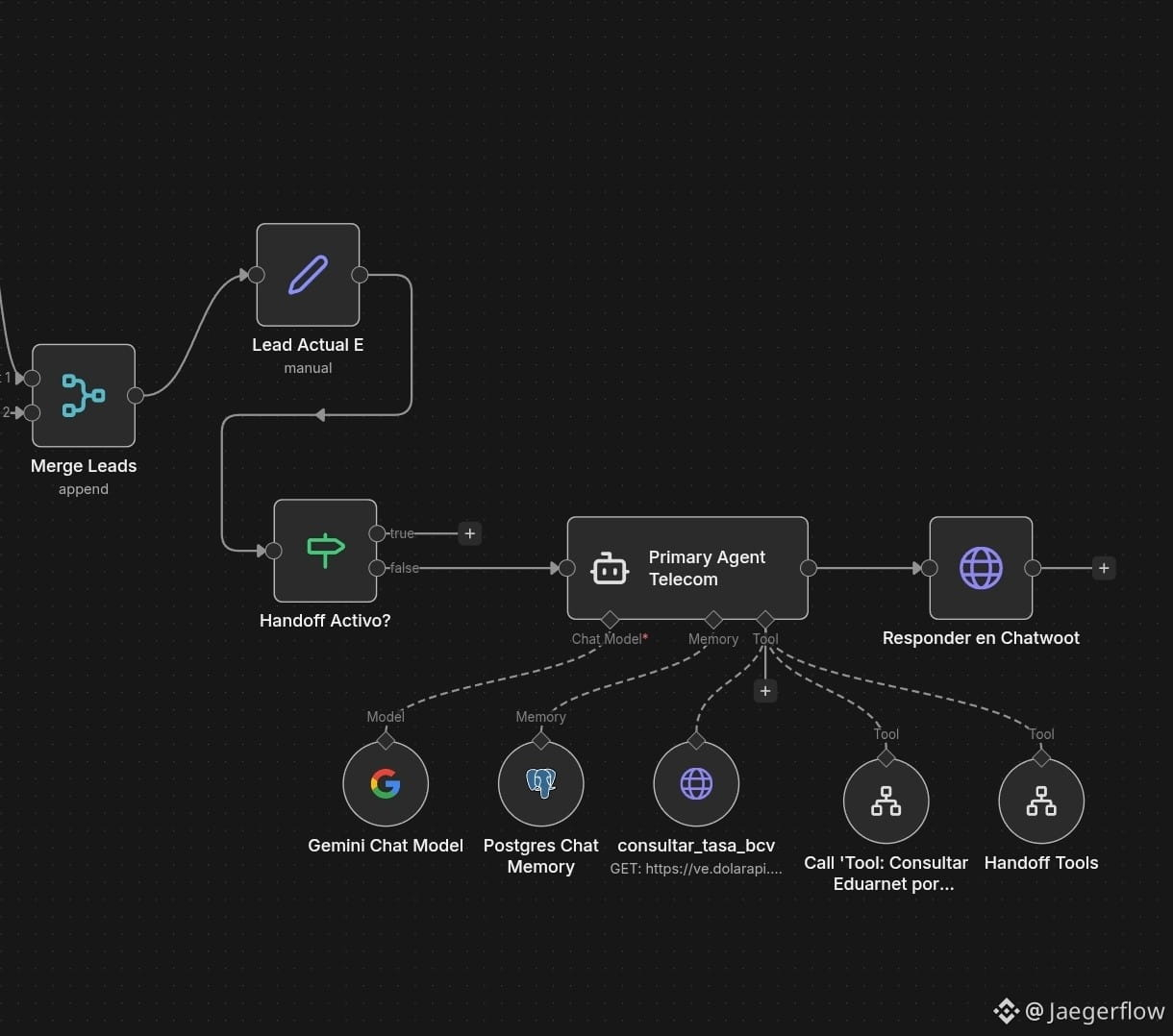
أدعو الجميع إلى الانضمام إلى محادثة حول العملات المشفّرة من أجل إنشاء وكيل ذكاء اصطناعي مساعد في التداول.
لا أعرف أكثر منكم، تقريباً شيئاً، لذلك أنظم اللقاء لمعرفة جميع آرائكم ولإعداد المرحلة الأولى.
للمشاركة والاستمتاع بالمشروع النهائي يرجى التعليق والمشاركة.
البريد الإلكتروني steven@jaegerflow.com
#TraderEducation #BinanceSquareTalks #TradingCommunity
مرحباً!
أدعو الجميع إلى الانضمام إلى محادثة حول العملات المشفّرة من أجل إنشاء وكيل ذكاء اصطناعي مساعد في التداول.
لا أعرف أكثر منكم، تقريباً شيئاً، لذلك أنظم اللقاء لمعرفة جميع آرائكم ولإعداد المرحلة الأولى.
للمشاركة والاستمتاع بالمشروع النهائي يرجى التعليق والمشاركة.
البريد الإلكتروني steven@jaegerflow.com
#TraderEducation #BinanceSquareTalks #TradingCommunity
أدعو الجميع إلى الانضمام إلى محادثة حول العملات المشفّرة من أجل إنشاء وكيل ذكاء اصطناعي مساعد في التداول.
لا أعرف أكثر منكم، تقريباً شيئاً، لذلك أنظم اللقاء لمعرفة جميع آرائكم ولإعداد المرحلة الأولى.
للمشاركة والاستمتاع بالمشروع النهائي يرجى التعليق والمشاركة.
البريد الإلكتروني steven@jaegerflow.com
#TraderEducation #BinanceSquareTalks #TradingCommunity
7
2
488

·
--
#TradingCommunity #tradenell #BTC
$BTC $ETH $HYPE
ابنِ العادة، احترم النظام، ودَعِ التراكم يعمل بدلًا عنك. ابقَ منضبطًا هناك! 🐈⬛⚡️🚀
إذا لم تستطع إدارة 100 دولار بشكل صحيح، فلن تستطيع إدارة 1,000 دولار أيضًا. إذا فشلت مع 1,000 دولار، فستفشل بالتأكيد مع 10,000 دولار. النمو يأتي من الإتقان، وليس من حجم رأس المال.
الأمر ليس عن الأرقام، بل عن النِّسَب والتراكم 📊
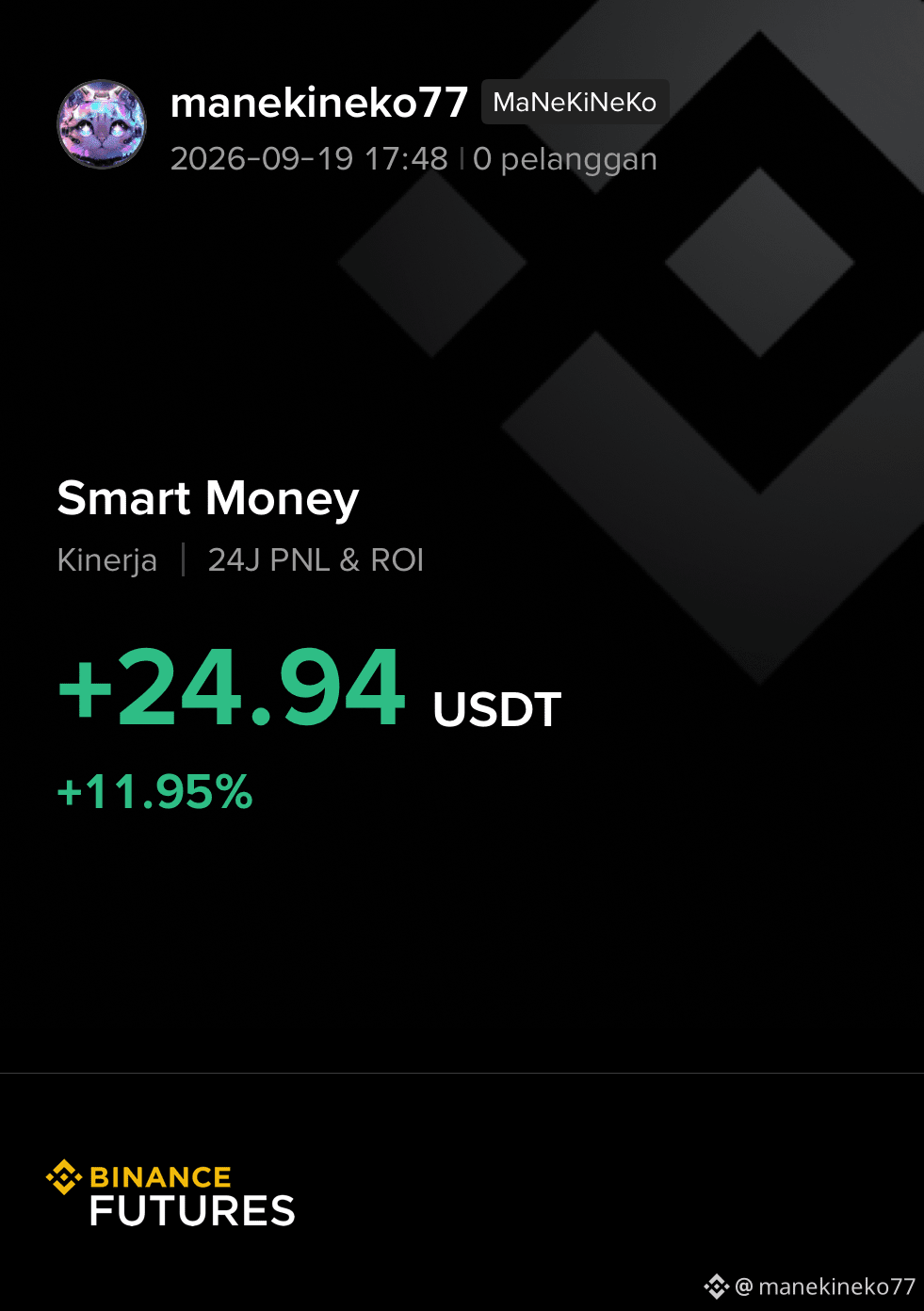
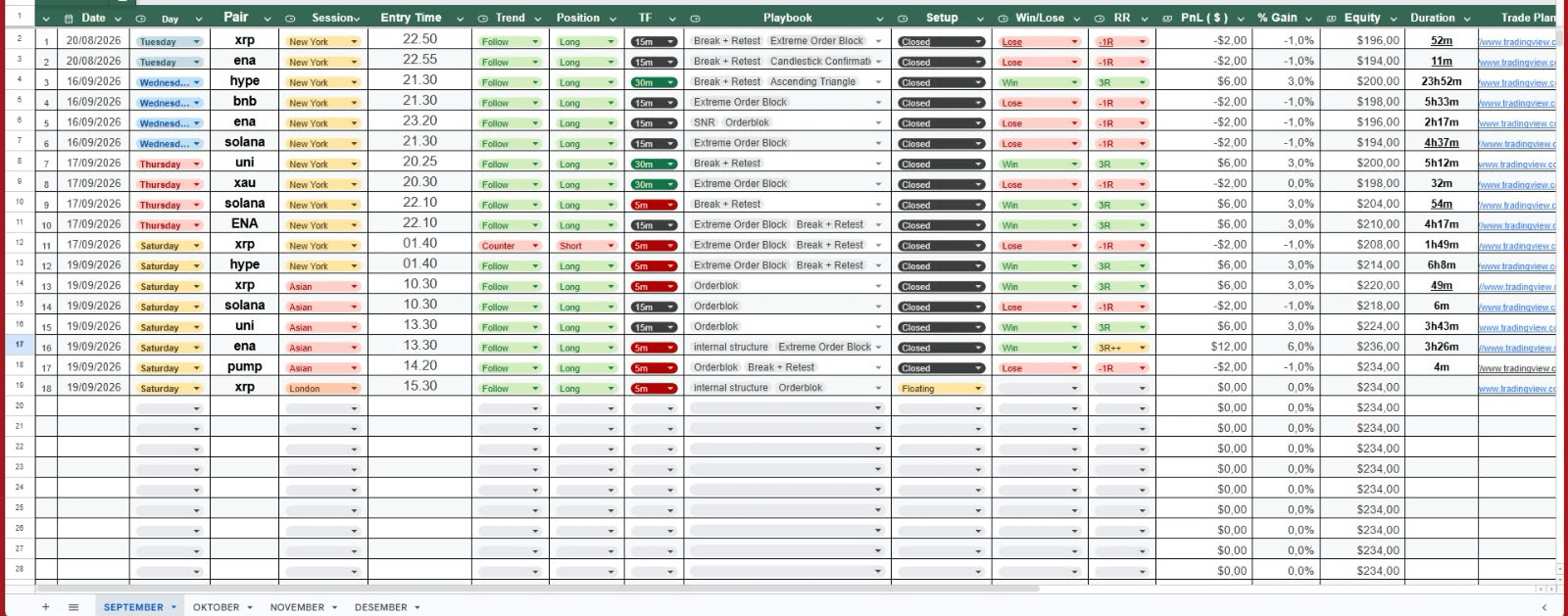
يمكنك متابعة Futures Live الخاصة بي حيث أجعل محفظتي علنية ومجانية. ومع ذلك، هذا ليس نصيحة مالية—دائمًا قم بإجراء بحثك الخاص (DYOR). إذا كنت تريد البقاء على المدى الطويل في هذا السوق، عامل التداول كأنه عمل تجاري. أنصح بالمخاطرة فقط بنسبة 0.5%–1% لكل صفقة كتكلفة عمل، مع الالتزام بنموذج صارم للعائد 1:3. لنخض هذه الماراثون معًا. 🐈⬛⚡️🚀
#TradingCommunity #tradenell #BTC
$BTC $ETH $HYPE
ابنِ العادة، احترم النظام، ودَعِ التراكم يعمل بدلًا عنك. ابقَ منضبطًا هناك! 🐈⬛⚡️🚀
إذا لم تستطع إدارة 100 دولار بشكل صحيح، فلن تستطيع إدارة 1,000 دولار أيضًا. إذا فشلت مع 1,000 دولار، فستفشل بالتأكيد مع 10,000 دولار. النمو يأتي من الإتقان، وليس من حجم رأس المال.
الأمر ليس عن الأرقام، بل عن النِّسَب والتراكم 📊
يمكنك متابعة Futures Live الخاصة بي حيث أجعل محفظتي علنية ومجانية. ومع ذلك، هذا ليس نصيحة مالية—دائمًا قم بإجراء بحثك الخاص (DYOR). إذا كنت تريد البقاء على المدى الطويل في هذا السوق، عامل التداول كأنه عمل تجاري. أنصح بالمخاطرة فقط بنسبة 0.5%–1% لكل صفقة كتكلفة عمل، مع الالتزام بنموذج صارم للعائد 1:3. لنخض هذه الماراثون معًا. 🐈⬛⚡️🚀
$BTC $ETH $HYPE
ابنِ العادة، احترم النظام، ودَعِ التراكم يعمل بدلًا عنك. ابقَ منضبطًا هناك! 🐈⬛⚡️🚀
إذا لم تستطع إدارة 100 دولار بشكل صحيح، فلن تستطيع إدارة 1,000 دولار أيضًا. إذا فشلت مع 1,000 دولار، فستفشل بالتأكيد مع 10,000 دولار. النمو يأتي من الإتقان، وليس من حجم رأس المال.
الأمر ليس عن الأرقام، بل عن النِّسَب والتراكم 📊
يمكنك متابعة Futures Live الخاصة بي حيث أجعل محفظتي علنية ومجانية. ومع ذلك، هذا ليس نصيحة مالية—دائمًا قم بإجراء بحثك الخاص (DYOR). إذا كنت تريد البقاء على المدى الطويل في هذا السوق، عامل التداول كأنه عمل تجاري. أنصح بالمخاطرة فقط بنسبة 0.5%–1% لكل صفقة كتكلفة عمل، مع الالتزام بنموذج صارم للعائد 1:3. لنخض هذه الماراثون معًا. 🐈⬛⚡️🚀
96
مقالة
عرض الترجمة
👑 الاتجاه (Trend) هو الملكيمكنك أن تعرف عشرات المؤشرات…
وتتقن عشرات نماذج الشموع…
لكن إذا لم تعرف اتجاه السوق (Market Trend)، فأنت تقرأ الخريطة دون معرفة الطريق.
━━━━━━━━━━━━━━
🟢 الاتجاه الصاعد (Uptrend)
يتميز غالبًا بتكوين:
قمم أعلى (Higher Highs)
وقيعان أعلى (Higher Lows)
مثال:
90,000$ → 94,000$ → 92,000$ → 98,000$
السعر يصنع قممًا أعلى، والقيعان أيضًا تتحرك إلى الأعلى.
هذا يدل على أن المشترين يملكون اليد العليا نسبيًا.
---
🔴 الاتجاه الهابط (Downtrend)
العكس تمامًا:
قمم أدنى (Lower Highs)
وقيعان أدنى (Lower Lows)
مثال:
100,000$ → 96,000$ → 98,000$ → 93,000$
السوق يصنع قممًا وقيعانًا أدنى.
هنا يكون ضغط البيع أقوى نسبيًا.
━━━━━━━━━━━━━━
⚪ السوق العرضي (Range)
لا يوجد اتجاه واضح.
السعر يتحرك بين:
دعم (Support)
و
مقاومة (Resistance)
مثال:
BTC بين 95,000$ و100,000$ لفترة.
وهنا يقع خطأ مشهور:
يشتري المتداول قرب المقاومة…
ثم يتفاجأ بأن السعر يعود إلى الدعم.
أو يبيع قرب الدعم…
ثم يبدأ السعر في الارتداد.
━━━━━━━━━━━━━━
🔥 الحقيقة المثيرة للجدل:
ليس كل كسر للخط يعني تغير الاتجاه.
قد يكسر السعر قمة سابقة…
ثم يعود بسرعة إلى داخل النطاق.
هذا قد يكون اختراقًا كاذبًا (Fakeout) وليس بداية اتجاه جديد.
لذلك لا تحكم على السوق من شمعة واحدة.
راقب هيكل السوق (Market Structure).
━━━━━━━━━━━━━━
🧠 كيف يفكر المتداول الذكي؟
قبل أن يبحث عن نقطة الدخول، يحدد:
1. الاتجاه العام (Trend)
2. هيكل السوق (Market Structure)
3. مناطق الدعم والمقاومة
4. السيولة (Liquidity)
5. نقطة الدخول (Entry)
6. وقف الخسارة (Stop Loss)
7. الهدف (Take Profit)
الترتيب مهم.
━━━━━━━━━━━━━━
🛡️ تنبيه إدارة المخاطر (Risk Management):
لا تدخل صفقة فقط لأن الاتجاه يبدو واضحًا.
الاتجاه يمكن أن يتغير.
حدد مستوى إلغاء الفكرة (Invalidation Level) قبل الدخول، ولا تجعل حجم الصفقة أكبر من قدرتك على تحمل الخسارة.
━━━━━━━━━━━━━━
🎯 درس الحلقة:
لا تحاول توقع السوق طوال الوقت.
أولًا اسأل:
«ماذا يفعل السعر الآن؟»
ثم ابنِ السيناريو على ما تراه، وليس على ما تتمنى حدوثه.
⏭️ الحلقة 6/20:
⚠️ اختراق حقيقي أم فخ؟ كيف تميز بين Breakout وFakeout؟
#Trading #Trend #MarketStructure #TechnicalAnalysis #Crypto #BinanceSquare #RiskManagement
👑 الاتجاه (Trend) هو الملك
يمكنك أن تعرف عشرات المؤشرات…
وتتقن عشرات نماذج الشموع…
لكن إذا لم تعرف اتجاه السوق (Market Trend)، فأنت تقرأ الخريطة دون معرفة الطريق.
━━━━━━━━━━━━━━
🟢 الاتجاه الصاعد (Uptrend)
يتميز غالبًا بتكوين:
قمم أعلى (Higher Highs)
وقيعان أعلى (Higher Lows)
مثال:
90,000$ → 94,000$ → 92,000$ → 98,000$
السعر يصنع قممًا أعلى، والقيعان أيضًا تتحرك إلى الأعلى.
هذا يدل على أن المشترين يملكون اليد العليا نسبيًا.
---
🔴 الاتجاه الهابط (Downtrend)
العكس تمامًا:
قمم أدنى (Lower Highs)
وقيعان أدنى (Lower Lows)
مثال:
100,000$ → 96,000$ → 98,000$ → 93,000$
السوق يصنع قممًا وقيعانًا أدنى.
هنا يكون ضغط البيع أقوى نسبيًا.
━━━━━━━━━━━━━━
⚪ السوق العرضي (Range)
لا يوجد اتجاه واضح.
السعر يتحرك بين:
دعم (Support)
و
مقاومة (Resistance)
مثال:
BTC بين 95,000$ و100,000$ لفترة.
وهنا يقع خطأ مشهور:
يشتري المتداول قرب المقاومة…
ثم يتفاجأ بأن السعر يعود إلى الدعم.
أو يبيع قرب الدعم…
ثم يبدأ السعر في الارتداد.
━━━━━━━━━━━━━━
🔥 الحقيقة المثيرة للجدل:
ليس كل كسر للخط يعني تغير الاتجاه.
قد يكسر السعر قمة سابقة…
ثم يعود بسرعة إلى داخل النطاق.
هذا قد يكون اختراقًا كاذبًا (Fakeout) وليس بداية اتجاه جديد.
لذلك لا تحكم على السوق من شمعة واحدة.
راقب هيكل السوق (Market Structure).
━━━━━━━━━━━━━━
🧠 كيف يفكر المتداول الذكي؟
قبل أن يبحث عن نقطة الدخول، يحدد:
1. الاتجاه العام (Trend)
2. هيكل السوق (Market Structure)
3. مناطق الدعم والمقاومة
4. السيولة (Liquidity)
5. نقطة الدخول (Entry)
6. وقف الخسارة (Stop Loss)
7. الهدف (Take Profit)
الترتيب مهم.
━━━━━━━━━━━━━━
🛡️ تنبيه إدارة المخاطر (Risk Management):
لا تدخل صفقة فقط لأن الاتجاه يبدو واضحًا.
الاتجاه يمكن أن يتغير.
حدد مستوى إلغاء الفكرة (Invalidation Level) قبل الدخول، ولا تجعل حجم الصفقة أكبر من قدرتك على تحمل الخسارة.
━━━━━━━━━━━━━━
🎯 درس الحلقة:
لا تحاول توقع السوق طوال الوقت.
أولًا اسأل:
«ماذا يفعل السعر الآن؟»
ثم ابنِ السيناريو على ما تراه، وليس على ما تتمنى حدوثه.
⏭️ الحلقة 6/20:
⚠️ اختراق حقيقي أم فخ؟ كيف تميز بين Breakout وFakeout؟
#Trading #Trend #MarketStructure #TechnicalAnalysis #Crypto #BinanceSquare #RiskManagement
وتتقن عشرات نماذج الشموع…
لكن إذا لم تعرف اتجاه السوق (Market Trend)، فأنت تقرأ الخريطة دون معرفة الطريق.
━━━━━━━━━━━━━━
🟢 الاتجاه الصاعد (Uptrend)
يتميز غالبًا بتكوين:
قمم أعلى (Higher Highs)
وقيعان أعلى (Higher Lows)
مثال:
90,000$ → 94,000$ → 92,000$ → 98,000$
السعر يصنع قممًا أعلى، والقيعان أيضًا تتحرك إلى الأعلى.
هذا يدل على أن المشترين يملكون اليد العليا نسبيًا.
---
🔴 الاتجاه الهابط (Downtrend)
العكس تمامًا:
قمم أدنى (Lower Highs)
وقيعان أدنى (Lower Lows)
مثال:
100,000$ → 96,000$ → 98,000$ → 93,000$
السوق يصنع قممًا وقيعانًا أدنى.
هنا يكون ضغط البيع أقوى نسبيًا.
━━━━━━━━━━━━━━
⚪ السوق العرضي (Range)
لا يوجد اتجاه واضح.
السعر يتحرك بين:
دعم (Support)
و
مقاومة (Resistance)
مثال:
BTC بين 95,000$ و100,000$ لفترة.
وهنا يقع خطأ مشهور:
يشتري المتداول قرب المقاومة…
ثم يتفاجأ بأن السعر يعود إلى الدعم.
أو يبيع قرب الدعم…
ثم يبدأ السعر في الارتداد.
━━━━━━━━━━━━━━
🔥 الحقيقة المثيرة للجدل:
ليس كل كسر للخط يعني تغير الاتجاه.
قد يكسر السعر قمة سابقة…
ثم يعود بسرعة إلى داخل النطاق.
هذا قد يكون اختراقًا كاذبًا (Fakeout) وليس بداية اتجاه جديد.
لذلك لا تحكم على السوق من شمعة واحدة.
راقب هيكل السوق (Market Structure).
━━━━━━━━━━━━━━
🧠 كيف يفكر المتداول الذكي؟
قبل أن يبحث عن نقطة الدخول، يحدد:
1. الاتجاه العام (Trend)
2. هيكل السوق (Market Structure)
3. مناطق الدعم والمقاومة
4. السيولة (Liquidity)
5. نقطة الدخول (Entry)
6. وقف الخسارة (Stop Loss)
7. الهدف (Take Profit)
الترتيب مهم.
━━━━━━━━━━━━━━
🛡️ تنبيه إدارة المخاطر (Risk Management):
لا تدخل صفقة فقط لأن الاتجاه يبدو واضحًا.
الاتجاه يمكن أن يتغير.
حدد مستوى إلغاء الفكرة (Invalidation Level) قبل الدخول، ولا تجعل حجم الصفقة أكبر من قدرتك على تحمل الخسارة.
━━━━━━━━━━━━━━
🎯 درس الحلقة:
لا تحاول توقع السوق طوال الوقت.
أولًا اسأل:
«ماذا يفعل السعر الآن؟»
ثم ابنِ السيناريو على ما تراه، وليس على ما تتمنى حدوثه.
⏭️ الحلقة 6/20:
⚠️ اختراق حقيقي أم فخ؟ كيف تميز بين Breakout وFakeout؟
#Trading #Trend #MarketStructure #TechnicalAnalysis #Crypto #BinanceSquare #RiskManagement
2
105
·
--
عرض الترجمة
#Espoorts #DOGE冲冲冲 #BsB #BinanceSquareTalks #TradingCommunity هل تبحث عن الفرصة القادمة لتكبير محفظتك؟
السوق لا ينتظر أحداً، والفرص الذكية هي التي تصنع الفارق! سواء كنت متداولاً يومياً أم مستثمراً طويل الأجل، الإستراتيجية وإدارة المخاطر هما مفتاح النجاح.
💡 3 قواعد ذهبية لكل متداول:
لا تتداول بعاطفة: التزم بخطتك وحجم المخاطرة.
إدارة رأس المال: لا تضع كل بيضك في سلة واحدة (DYOR - قم ببحثك الخاص).
تعلم باستمرار: احرص على متابعة التحليل الفني والأخبار المحركة للسوق.
🔥 سؤال اليوم للمجتمع:
ما هي العملة الرقمية التي تتوقع أن تحقق أكبر أداء هذا الأسبوع؟ 📈👇
شاركنا رأيك وتحليلك في التعليقات! $DOGE $ESPORTS $BSB
#Espoorts #DOGE冲冲冲 #BsB #BinanceSquareTalks #TradingCommunity هل تبحث عن الفرصة القادمة لتكبير محفظتك؟
السوق لا ينتظر أحداً، والفرص الذكية هي التي تصنع الفارق! سواء كنت متداولاً يومياً أم مستثمراً طويل الأجل، الإستراتيجية وإدارة المخاطر هما مفتاح النجاح.
💡 3 قواعد ذهبية لكل متداول:
لا تتداول بعاطفة: التزم بخطتك وحجم المخاطرة.
إدارة رأس المال: لا تضع كل بيضك في سلة واحدة (DYOR - قم ببحثك الخاص).
تعلم باستمرار: احرص على متابعة التحليل الفني والأخبار المحركة للسوق.
🔥 سؤال اليوم للمجتمع:
ما هي العملة الرقمية التي تتوقع أن تحقق أكبر أداء هذا الأسبوع؟ 📈👇
شاركنا رأيك وتحليلك في التعليقات! $DOGE $ESPORTS $BSB
السوق لا ينتظر أحداً، والفرص الذكية هي التي تصنع الفارق! سواء كنت متداولاً يومياً أم مستثمراً طويل الأجل، الإستراتيجية وإدارة المخاطر هما مفتاح النجاح.
💡 3 قواعد ذهبية لكل متداول:
لا تتداول بعاطفة: التزم بخطتك وحجم المخاطرة.
إدارة رأس المال: لا تضع كل بيضك في سلة واحدة (DYOR - قم ببحثك الخاص).
تعلم باستمرار: احرص على متابعة التحليل الفني والأخبار المحركة للسوق.
🔥 سؤال اليوم للمجتمع:
ما هي العملة الرقمية التي تتوقع أن تحقق أكبر أداء هذا الأسبوع؟ 📈👇
شاركنا رأيك وتحليلك في التعليقات! $DOGE $ESPORTS $BSB
510
صباح الخير أيها الأساطير... بعضكم يحتاج أن يعرف الفرق بين متداولي الكريبتو وبين محللي الكريبتو
أنا متداول، أُحلل العملة التي أريد التداول بها. أنا لا أقفز إلى كل توكن يتم ذكره عبر الإنترنت، ولكن إذا رأيت هؤلاء المحللين على وسائل التواصل الاجتماعي مخطئين، فسأتحدث؛ لأن الكثير منهم ليسوا على صواب.#HotTrends #viralpost #TrendingTopic #tradingcommunity #BTC
صباح الخير أيها الأساطير... بعضكم يحتاج أن يعرف الفرق بين متداولي الكريبتو وبين محللي الكريبتو
أنا متداول، أُحلل العملة التي أريد التداول بها. أنا لا أقفز إلى كل توكن يتم ذكره عبر الإنترنت، ولكن إذا رأيت هؤلاء المحللين على وسائل التواصل الاجتماعي مخطئين، فسأتحدث؛ لأن الكثير منهم ليسوا على صواب.#HotTrends #viralpost #TrendingTopic #tradingcommunity #BTC
أنا متداول، أُحلل العملة التي أريد التداول بها. أنا لا أقفز إلى كل توكن يتم ذكره عبر الإنترنت، ولكن إذا رأيت هؤلاء المحللين على وسائل التواصل الاجتماعي مخطئين، فسأتحدث؛ لأن الكثير منهم ليسوا على صواب.#HotTrends #viralpost #TrendingTopic #tradingcommunity #BTC
76

العنوان: 3 أشياء أتمنى لو كنت أعرفها قبل أن أبدأ تداول العملات الرقمية
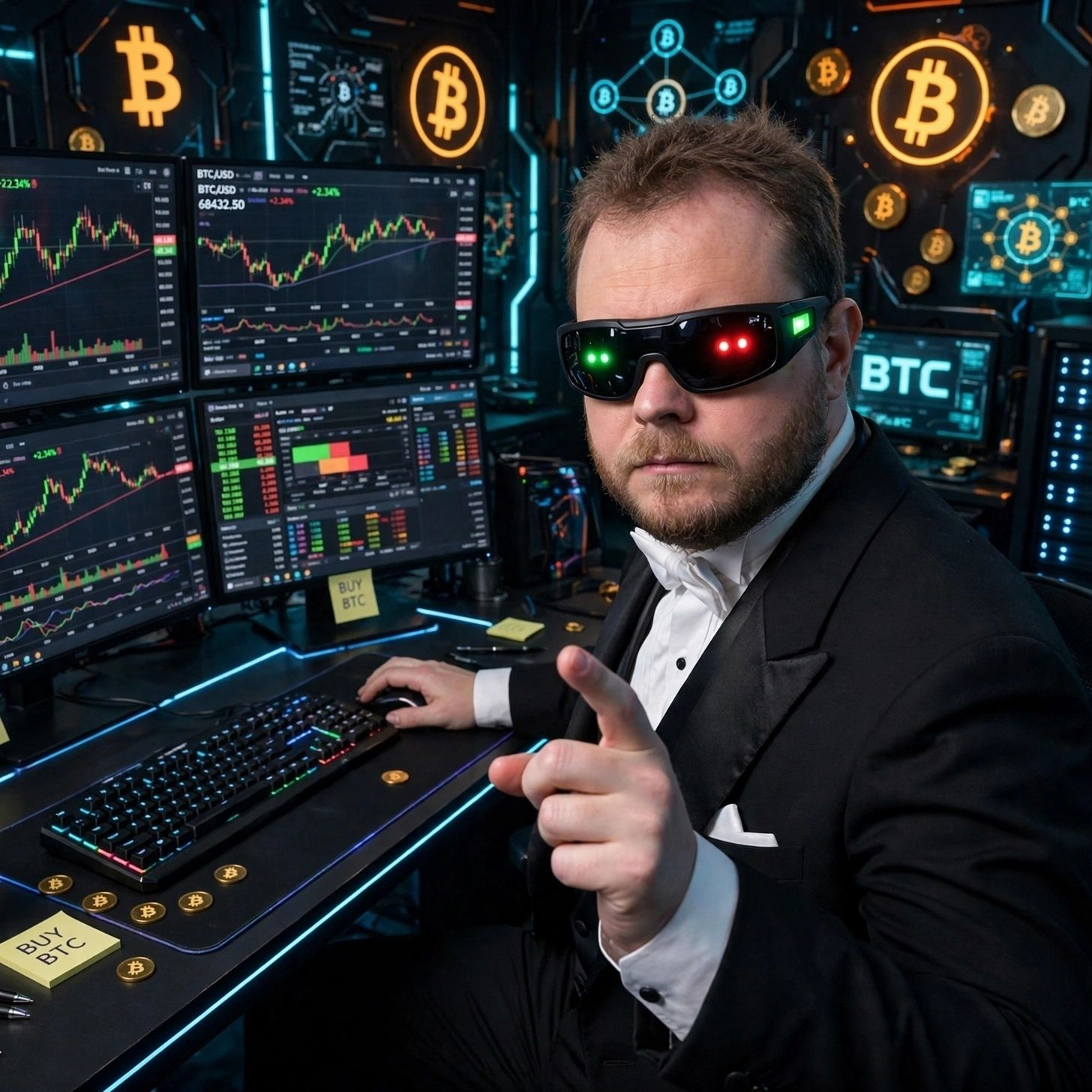
إن النظر إلى إعداد بثلاث شاشات مثل هذا قد يبدو مُخيفًا عندما تبدأ. لكن المهارة الحقيقية ليست في الأجهزة؛ بل في الأساسيات. لو كان بإمكاني العودة إلى الوراء، كنت سأقول لنفسي الأصغر سناً:
1. الاتجاه هو صديقك. لا تحاول الإمساك بكل قمة وقاع. محاربة اتجاه السوق هي طريقة سريعة لتقع في خسائر كبيرة.
2. إدارة المخاطر هي رقم 1. لا تُعرّض أبدًا أكثر من 1-2% من رأس مالك في صفقة واحدة. التداول يتعلق بالبقاء، لا بضرب الرن هوم رن.
3. تعلّم استراتيجية واحدة جيدًا. لا تنتقل من مؤشر إلى آخر. ركّز على نهج واحد—سواءً
كان تحليل حركة السعر، أو العرض والطلب، أو المتوسطات المتحركة—واتقنه.
ما هي أكبر درس تعلمته في رحلتك مع العملات الرقمية؟ شاركه في التعليقات لمساعدة متداول جديد!
#CryptoEducation #TradingCommunity #binancelearntoearn
العنوان: 3 أشياء أتمنى لو كنت أعرفها قبل أن أبدأ تداول العملات الرقمية
إن النظر إلى إعداد بثلاث شاشات مثل هذا قد يبدو مُخيفًا عندما تبدأ. لكن المهارة الحقيقية ليست في الأجهزة؛ بل في الأساسيات. لو كان بإمكاني العودة إلى الوراء، كنت سأقول لنفسي الأصغر سناً:
1. الاتجاه هو صديقك. لا تحاول الإمساك بكل قمة وقاع. محاربة اتجاه السوق هي طريقة سريعة لتقع في خسائر كبيرة.
2. إدارة المخاطر هي رقم 1. لا تُعرّض أبدًا أكثر من 1-2% من رأس مالك في صفقة واحدة. التداول يتعلق بالبقاء، لا بضرب الرن هوم رن.
3. تعلّم استراتيجية واحدة جيدًا. لا تنتقل من مؤشر إلى آخر. ركّز على نهج واحد—سواءً
كان تحليل حركة السعر، أو العرض والطلب، أو المتوسطات المتحركة—واتقنه.
ما هي أكبر درس تعلمته في رحلتك مع العملات الرقمية؟ شاركه في التعليقات لمساعدة متداول جديد!
#CryptoEducation #TradingCommunity #binancelearntoearn
إن النظر إلى إعداد بثلاث شاشات مثل هذا قد يبدو مُخيفًا عندما تبدأ. لكن المهارة الحقيقية ليست في الأجهزة؛ بل في الأساسيات. لو كان بإمكاني العودة إلى الوراء، كنت سأقول لنفسي الأصغر سناً:
1. الاتجاه هو صديقك. لا تحاول الإمساك بكل قمة وقاع. محاربة اتجاه السوق هي طريقة سريعة لتقع في خسائر كبيرة.
2. إدارة المخاطر هي رقم 1. لا تُعرّض أبدًا أكثر من 1-2% من رأس مالك في صفقة واحدة. التداول يتعلق بالبقاء، لا بضرب الرن هوم رن.
3. تعلّم استراتيجية واحدة جيدًا. لا تنتقل من مؤشر إلى آخر. ركّز على نهج واحد—سواءً
كان تحليل حركة السعر، أو العرض والطلب، أو المتوسطات المتحركة—واتقنه.
ما هي أكبر درس تعلمته في رحلتك مع العملات الرقمية؟ شاركه في التعليقات لمساعدة متداول جديد!
#CryptoEducation #TradingCommunity #binancelearntoearn

1
79
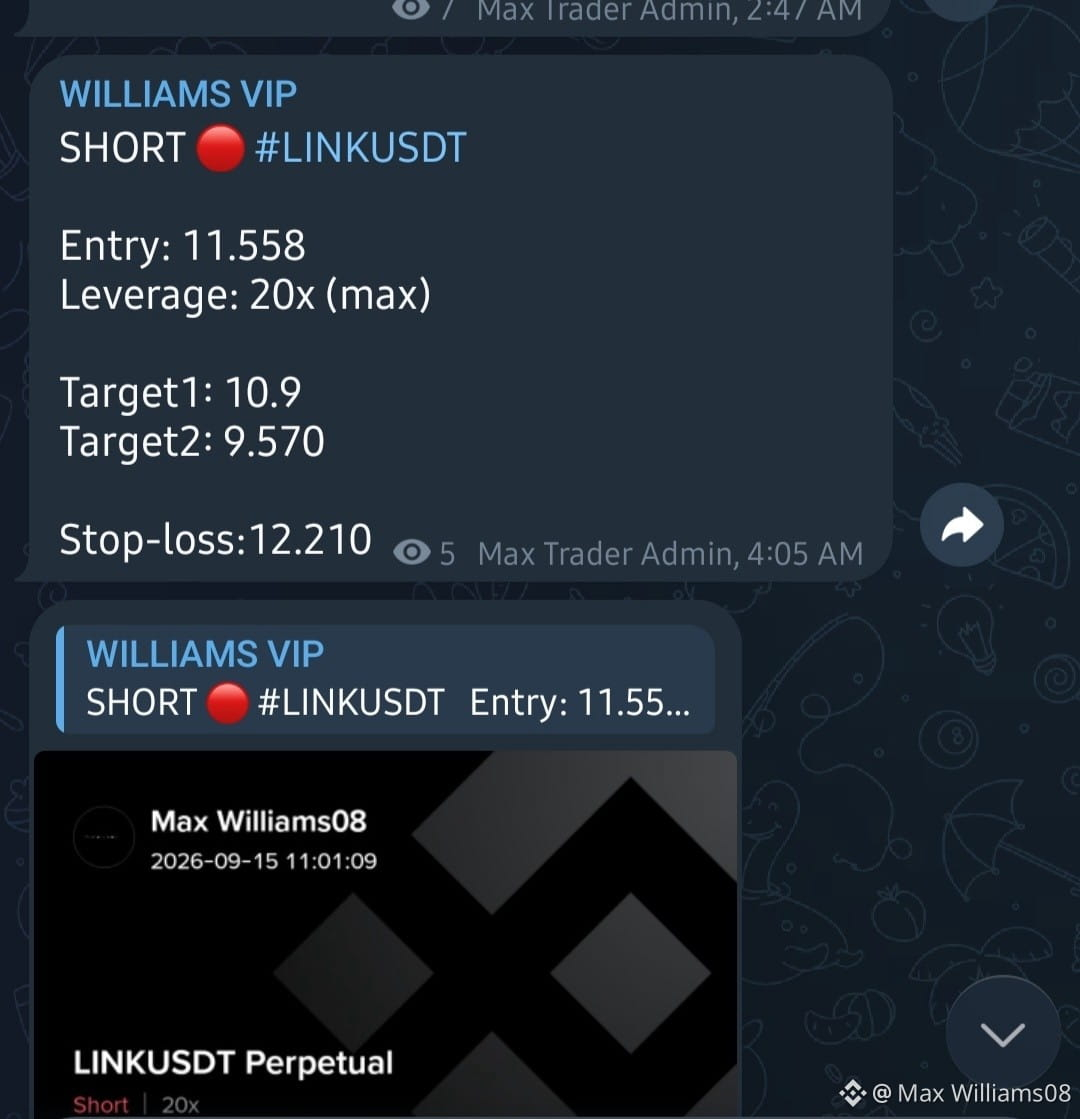
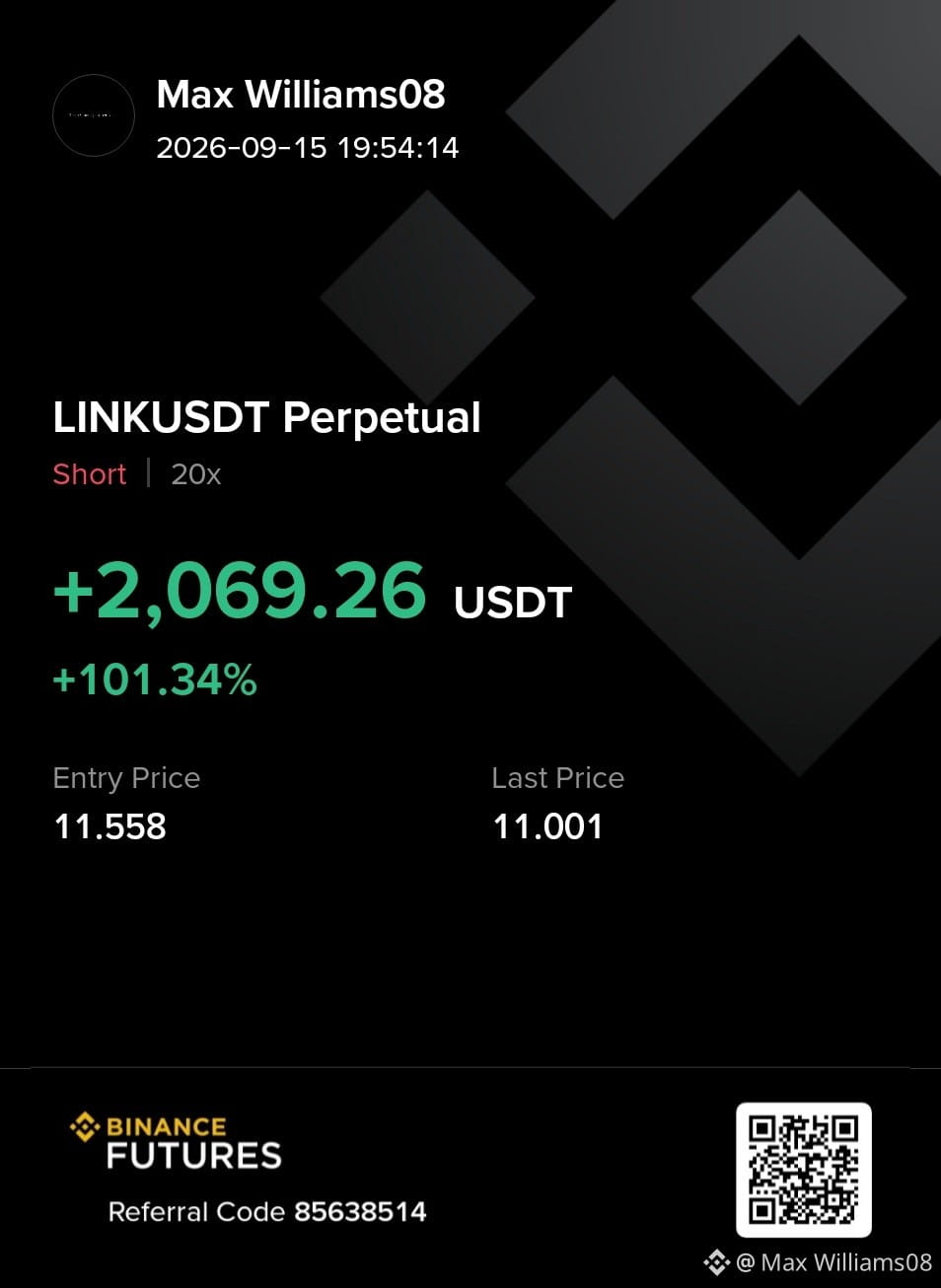
لقد تم تداول #LINK على المجتمع وارتفع فوق 100% من نقطة الدخول
#HotTrends #viralpost #TrendingTopic #tradingcommunity #BTC
لقد تم تداول #LINK على المجتمع وارتفع فوق 100% من نقطة الدخول
#HotTrends #viralpost #TrendingTopic #tradingcommunity #BTC
#HotTrends #viralpost #TrendingTopic #tradingcommunity #BTC
1
1
35
📈 [Coin Name, e.g., $BTC / $ETH] تحديث وتحليل
السوق يُظهر تحركات مثيرة للاهتمام! حاليًا، [Coin Name] يقوم باختبار مستوى مقاومة رئيسي قرب $[Price].
المستويات الرئيسية التي يجب مراقبتها:
🎯 المقاومة: $[Price]
🛡️ الدعم: $[Price]
إذا تمكنا من اختراق المقاومة بحجم تداول جيد، فقد نشهد موجة صعود قوية. ومع ذلك، إذا تراجع السعر، فراقب منطقة الدعم.
ما خطوتك هنا—هل أنت متفائل أم متشائم؟ أخبرني في التعليقات! 👇
#Crypto #Binance #CryptoAnalysis #Trading
২. نصائح تداول أو منشور تعليمي (Trading Tip/Educational)
💡 نصيحة تداول العملات الرقمية لهذا اليوم: إدارة المخاطر أولًا!
يفقد كثير من المبتدئين المال ليس بسبب إعدادات سيئة، بل بسبب ضعف إدارة المخاطر. تذكّر دائمًا:
1️⃣ لا تخاطر أبدًا بأكثر من 1-2% من محفظتك في صفقة واحدة.
2️⃣ ضع وقف الخسارة (SL) دائمًا قبل دخول أي صفقة.
3️⃣ حقق الأرباح تدريجيًا (الخروج على مراحل/DCA) بدل الانتظار حتى القمة المطلقة.
احمِ رأس مالك أولًا، وستأتي الأرباح بعد ذلك. ابقَ آمنًا! 🛡️
#BinanceSquare #CryptoTips #Trading101 #RiskManagement
#BinanceSquare #CryptoTips #TradingCommunity
📈 [Coin Name, e.g., $BTC / $ETH] تحديث وتحليل
السوق يُظهر تحركات مثيرة للاهتمام! حاليًا، [Coin Name] يقوم باختبار مستوى مقاومة رئيسي قرب $[Price].
المستويات الرئيسية التي يجب مراقبتها:
🎯 المقاومة: $[Price]
🛡️ الدعم: $[Price]
إذا تمكنا من اختراق المقاومة بحجم تداول جيد، فقد نشهد موجة صعود قوية. ومع ذلك، إذا تراجع السعر، فراقب منطقة الدعم.
ما خطوتك هنا—هل أنت متفائل أم متشائم؟ أخبرني في التعليقات! 👇
#Crypto #Binance #CryptoAnalysis #Trading
২. نصائح تداول أو منشور تعليمي (Trading Tip/Educational)
💡 نصيحة تداول العملات الرقمية لهذا اليوم: إدارة المخاطر أولًا!
يفقد كثير من المبتدئين المال ليس بسبب إعدادات سيئة، بل بسبب ضعف إدارة المخاطر. تذكّر دائمًا:
1️⃣ لا تخاطر أبدًا بأكثر من 1-2% من محفظتك في صفقة واحدة.
2️⃣ ضع وقف الخسارة (SL) دائمًا قبل دخول أي صفقة.
3️⃣ حقق الأرباح تدريجيًا (الخروج على مراحل/DCA) بدل الانتظار حتى القمة المطلقة.
احمِ رأس مالك أولًا، وستأتي الأرباح بعد ذلك. ابقَ آمنًا! 🛡️
#BinanceSquare #CryptoTips #Trading101 #RiskManagement
#BinanceSquare #CryptoTips #TradingCommunity
السوق يُظهر تحركات مثيرة للاهتمام! حاليًا، [Coin Name] يقوم باختبار مستوى مقاومة رئيسي قرب $[Price].
المستويات الرئيسية التي يجب مراقبتها:
🎯 المقاومة: $[Price]
🛡️ الدعم: $[Price]
إذا تمكنا من اختراق المقاومة بحجم تداول جيد، فقد نشهد موجة صعود قوية. ومع ذلك، إذا تراجع السعر، فراقب منطقة الدعم.
ما خطوتك هنا—هل أنت متفائل أم متشائم؟ أخبرني في التعليقات! 👇
#Crypto #Binance #CryptoAnalysis #Trading
২. نصائح تداول أو منشور تعليمي (Trading Tip/Educational)
💡 نصيحة تداول العملات الرقمية لهذا اليوم: إدارة المخاطر أولًا!
يفقد كثير من المبتدئين المال ليس بسبب إعدادات سيئة، بل بسبب ضعف إدارة المخاطر. تذكّر دائمًا:
1️⃣ لا تخاطر أبدًا بأكثر من 1-2% من محفظتك في صفقة واحدة.
2️⃣ ضع وقف الخسارة (SL) دائمًا قبل دخول أي صفقة.
3️⃣ حقق الأرباح تدريجيًا (الخروج على مراحل/DCA) بدل الانتظار حتى القمة المطلقة.
احمِ رأس مالك أولًا، وستأتي الأرباح بعد ذلك. ابقَ آمنًا! 🛡️
#BinanceSquare #CryptoTips #Trading101 #RiskManagement
#BinanceSquare #CryptoTips #TradingCommunity
66

·
--
صاعد
عرض الترجمة
نصيحة للمتداولين الجدد ..
التدوال والنجاح ليس بالكم ولكن بجودة وبنتائج الجيدة من صفقاتك .
التأني فى اختيار الصفقة ودراستها هو االاساس والمفتاح الرئيسي لامكانية نجاح الصفقة لانه هذا الشوق مرتبط الخطوة الاولة الاختيار ودراسة وبعد ذلك يأتى دور عوامل اخري خارجية اخبار كانت على عملة او سياسية .
فالخلاصة لاتعتمد على كثرة الصفقات ولاحظت فى هذا المجتمع بعض ممن يروجون هذه الفكرة اعرف انك مهما جنيت من ربح فى صفقة فانك سوف تخسره فصفقات اخري .فمن يروج لهذه الفكرة اعرف انها لفائدته الشخصية فقط ولكن المحلل الصحيح والدارس لعلوم التحليل لا ينظر الى الكم بل بجودة اختيار صفقة .وممكن صفقة واحدة فقط تكفيك عن مليون صفقة اخري .فاحذروا منهم ومرة اخرى لاتكون كالخؤوف فالقطيع سمعا وطاعة لكل شي ابحث و تعلم ولا تعتمد على اى تحليل لاي شخص ممكن يسبب فى نهاية محفظتك لمالية.
#baya2510 #TradingCommunity
{future}(BTCUSDT)
نصيحة للمتداولين الجدد ..
التدوال والنجاح ليس بالكم ولكن بجودة وبنتائج الجيدة من صفقاتك .
التأني فى اختيار الصفقة ودراستها هو االاساس والمفتاح الرئيسي لامكانية نجاح الصفقة لانه هذا الشوق مرتبط الخطوة الاولة الاختيار ودراسة وبعد ذلك يأتى دور عوامل اخري خارجية اخبار كانت على عملة او سياسية .
فالخلاصة لاتعتمد على كثرة الصفقات ولاحظت فى هذا المجتمع بعض ممن يروجون هذه الفكرة اعرف انك مهما جنيت من ربح فى صفقة فانك سوف تخسره فصفقات اخري .فمن يروج لهذه الفكرة اعرف انها لفائدته الشخصية فقط ولكن المحلل الصحيح والدارس لعلوم التحليل لا ينظر الى الكم بل بجودة اختيار صفقة .وممكن صفقة واحدة فقط تكفيك عن مليون صفقة اخري .فاحذروا منهم ومرة اخرى لاتكون كالخؤوف فالقطيع سمعا وطاعة لكل شي ابحث و تعلم ولا تعتمد على اى تحليل لاي شخص ممكن يسبب فى نهاية محفظتك لمالية.
#baya2510 #TradingCommunity
التدوال والنجاح ليس بالكم ولكن بجودة وبنتائج الجيدة من صفقاتك .
التأني فى اختيار الصفقة ودراستها هو االاساس والمفتاح الرئيسي لامكانية نجاح الصفقة لانه هذا الشوق مرتبط الخطوة الاولة الاختيار ودراسة وبعد ذلك يأتى دور عوامل اخري خارجية اخبار كانت على عملة او سياسية .
فالخلاصة لاتعتمد على كثرة الصفقات ولاحظت فى هذا المجتمع بعض ممن يروجون هذه الفكرة اعرف انك مهما جنيت من ربح فى صفقة فانك سوف تخسره فصفقات اخري .فمن يروج لهذه الفكرة اعرف انها لفائدته الشخصية فقط ولكن المحلل الصحيح والدارس لعلوم التحليل لا ينظر الى الكم بل بجودة اختيار صفقة .وممكن صفقة واحدة فقط تكفيك عن مليون صفقة اخري .فاحذروا منهم ومرة اخرى لاتكون كالخؤوف فالقطيع سمعا وطاعة لكل شي ابحث و تعلم ولا تعتمد على اى تحليل لاي شخص ممكن يسبب فى نهاية محفظتك لمالية.
#baya2510 #TradingCommunity

148
سجّل الدخول لاستكشاف المزيد من المُحتوى
انضم إلى مُستخدمي العملات الرقمية حول العالم على Binance Square
⚡️ احصل على أحدث المعلومات المفيدة عن العملات الرقمية.
💬 موثوقة من قبل أكبر منصّة لتداول العملات الرقمية في العالم.
👍 اكتشف الرؤى الحقيقية من صنّاع المُحتوى الموثوقين.
البريد الإلكتروني / رقم الهاتف
المواضيع الرائجة
1
#BitcoinClears$85200
13,308 مشاهدات
218 يقومون بالنقاش
2
#AltcoinSeasonIndexHoldsAbove60For5Days
62,865 مشاهدات
1,198 يقومون بالنقاش
3
#USADPAdds90000JobsInSeptember
29,302 مشاهدات
672 يقومون بالنقاش
4
#USCorePCEEasesTo3%InAugust
21,475 مشاهدات
506 يقومون بالنقاش
5
#KospiPostsWorstQuarterSince2020
15,003 مشاهدات
487 يقومون بالنقاش
6
#SECToClarifyOnChainFundraisingRules
36,006 مشاهدات
660 يقومون بالنقاش
7
#UKFCAOpensCryptoFirmAuthorization
35,314 مشاهدات
558 يقومون بالنقاش
8
#JapanMOFStudyGroupOnTokenizedGovtBonds
21,711 مشاهدات
423 يقومون بالنقاش
9
#QNTRises287%
102,892 مشاهدات
913 يقومون بالنقاش
10
#TrumpRejectsAIRulesForVoluntaryAudits
59,400 مشاهدات
797 يقومون بالنقاش