

#etf
etf
1G مشاهدات
5.8M يقومون بالنقاش
رائج
جديد

·
--
مقالة
عرض الترجمة
أنظار السوق كلها على SEI الآن!👀 أنظار السوق كلها على $SEI الآن
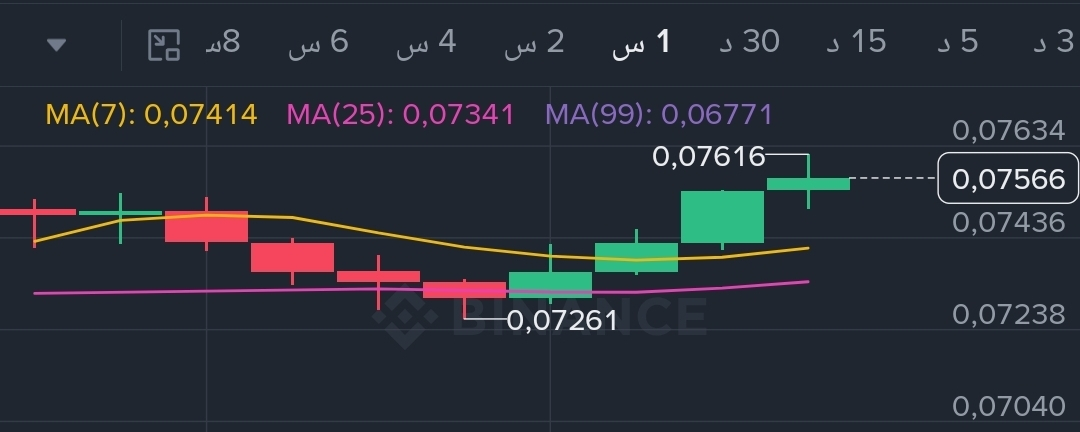
من 0.072$ إلى 0.075$ في ساعات قليلة، و السبب؟
🔥 1. ETF مؤكد: Canary Capital قدمت طلب ETF لـ SEI بـ 90% Staking - BitGo حارس رسمي!
🔥 2. أسهم أمريكية على SEI: Dinari توسعت على شبكة Sei - تداول S&P 500 بـ USDC!
🔥 3. أمس كانت رقم 1: +23.58% أكبر ارتفاع في Top 100! BTC كان نازل وهي طالعة!
تقنيا: السعر فوق MA7 و MA25 و MA99 - إشارة صعود قوية.
هدفي: 0.094$ ثم 0.15$ قريبا!
هل أنت داخل في $SEI I أم تنتظر 0.08$؟ 👇
#CryptoNewss SEI #ETF #Bulli sh #CryptoNe ws
أنظار السوق كلها على SEI الآن!
👀 أنظار السوق كلها على $SEI الآن
من 0.072$ إلى 0.075$ في ساعات قليلة، و السبب؟
🔥 1. ETF مؤكد: Canary Capital قدمت طلب ETF لـ SEI بـ 90% Staking - BitGo حارس رسمي!
🔥 2. أسهم أمريكية على SEI: Dinari توسعت على شبكة Sei - تداول S&P 500 بـ USDC!
🔥 3. أمس كانت رقم 1: +23.58% أكبر ارتفاع في Top 100! BTC كان نازل وهي طالعة!
تقنيا: السعر فوق MA7 و MA25 و MA99 - إشارة صعود قوية.
هدفي: 0.094$ ثم 0.15$ قريبا!
هل أنت داخل في $SEI I أم تنتظر 0.08$؟ 👇
#CryptoNewss SEI #ETF #Bulli sh #CryptoNe ws
من 0.072$ إلى 0.075$ في ساعات قليلة، و السبب؟
🔥 1. ETF مؤكد: Canary Capital قدمت طلب ETF لـ SEI بـ 90% Staking - BitGo حارس رسمي!
🔥 2. أسهم أمريكية على SEI: Dinari توسعت على شبكة Sei - تداول S&P 500 بـ USDC!
🔥 3. أمس كانت رقم 1: +23.58% أكبر ارتفاع في Top 100! BTC كان نازل وهي طالعة!
تقنيا: السعر فوق MA7 و MA25 و MA99 - إشارة صعود قوية.
هدفي: 0.094$ ثم 0.15$ قريبا!
هل أنت داخل في $SEI I أم تنتظر 0.08$؟ 👇
#CryptoNewss SEI #ETF #Bulli sh #CryptoNe ws
2
488

عرض الترجمة
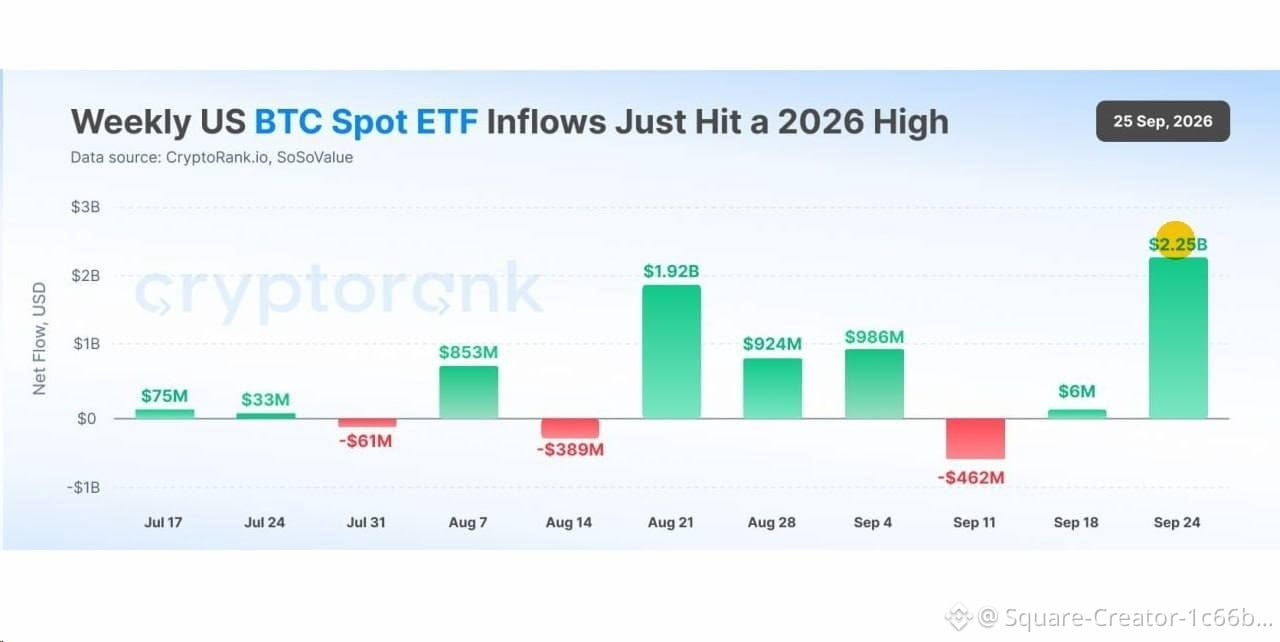
🐂 وصلت التدفقات الأسبوعية إلى صناديق BTC ETF الفورية الأمريكية إلى أعلى مستوى لها منذ بداية العام.
$BTC
{future}(BTCUSDT)
Bitcoin #BTC #ETF #BitcoinETF #CryptoNews #CryptoMarket #البيتكوين #صناديقالبيتكوين #تدفقاتمؤسسية #سوق_الكريبتو
🐂 وصلت التدفقات الأسبوعية إلى صناديق BTC ETF الفورية الأمريكية إلى أعلى مستوى لها منذ بداية العام.
$BTC
Bitcoin #BTC #ETF #BitcoinETF #CryptoNews #CryptoMarket #البيتكوين #صناديقالبيتكوين #تدفقاتمؤسسية #سوق_الكريبتو
$BTC
Bitcoin #BTC #ETF #BitcoinETF #CryptoNews #CryptoMarket #البيتكوين #صناديقالبيتكوين #تدفقاتمؤسسية #سوق_الكريبتو
1
76

عرض الترجمة
#bitwisefilesfinalnearspotetfprospectus
هل يمكن لـ $NEAR حقًا الوصول إلى 562 دولارًا مع موافقة صندوق ETF؟ 🚀
السوق الكريبتو في حالة حماس بينما ترفع Bitwise أحدث نشرة/تقريرها النهائي لصندوق Spot NEAR ETF (الرمز: NRR على NYSE Arca)! 📊🔥
هل المال المؤسسي على وشك أن يطلق أكبر عملية ضخّ في تاريخ NEAR؟ المحللون يتحدثون عن أهداف سعرية مثيرة للدهشة:
🎯 الهدف المتوسط: 155 دولارًا
🎯 هدف طويل المدى لعام 2030: 562 دولارًا
💡 لنتحقق من الحسابات:
عند 562 دولارًا، ستبلغ قيمة $NEAR حوالي 680 مليار دولار كقيمة سوقية—لتكون في المكانة نفسها تقريبًا مع التقييم المحتمل لEthereum. ومع قيادة NEAR لسردية Chain Abstraction & AI crypto، قد لا يكون الأمر مجنونًا كما يبدو!
ومع تحوّل لوائح SEC لتصبح أكثر ملاءمة للكريبتو واقتراب وول ستريت من الباب، هل أنت تجمع أم تحتفظ؟
👇 اكتب توقعك الواقعي لسعر $NEAR في التعليقات! 👇
متابعة من فضلكم
#BitwiseFilesFinalNEARSpotETFProspectus #Altcoins #CryptoNews #ETF
#bitwisefilesfinalnearspotetfprospectus
هل يمكن لـ $NEAR حقًا الوصول إلى 562 دولارًا مع موافقة صندوق ETF؟ 🚀
السوق الكريبتو في حالة حماس بينما ترفع Bitwise أحدث نشرة/تقريرها النهائي لصندوق Spot NEAR ETF (الرمز: NRR على NYSE Arca)! 📊🔥
هل المال المؤسسي على وشك أن يطلق أكبر عملية ضخّ في تاريخ NEAR؟ المحللون يتحدثون عن أهداف سعرية مثيرة للدهشة:
🎯 الهدف المتوسط: 155 دولارًا
🎯 هدف طويل المدى لعام 2030: 562 دولارًا
💡 لنتحقق من الحسابات:
عند 562 دولارًا، ستبلغ قيمة $NEAR حوالي 680 مليار دولار كقيمة سوقية—لتكون في المكانة نفسها تقريبًا مع التقييم المحتمل لEthereum. ومع قيادة NEAR لسردية Chain Abstraction & AI crypto، قد لا يكون الأمر مجنونًا كما يبدو!
ومع تحوّل لوائح SEC لتصبح أكثر ملاءمة للكريبتو واقتراب وول ستريت من الباب، هل أنت تجمع أم تحتفظ؟
👇 اكتب توقعك الواقعي لسعر $NEAR في التعليقات! 👇
متابعة من فضلكم
#BitwiseFilesFinalNEARSpotETFProspectus #Altcoins #CryptoNews #ETF
هل يمكن لـ $NEAR حقًا الوصول إلى 562 دولارًا مع موافقة صندوق ETF؟ 🚀
السوق الكريبتو في حالة حماس بينما ترفع Bitwise أحدث نشرة/تقريرها النهائي لصندوق Spot NEAR ETF (الرمز: NRR على NYSE Arca)! 📊🔥
هل المال المؤسسي على وشك أن يطلق أكبر عملية ضخّ في تاريخ NEAR؟ المحللون يتحدثون عن أهداف سعرية مثيرة للدهشة:
🎯 الهدف المتوسط: 155 دولارًا
🎯 هدف طويل المدى لعام 2030: 562 دولارًا
💡 لنتحقق من الحسابات:
عند 562 دولارًا، ستبلغ قيمة $NEAR حوالي 680 مليار دولار كقيمة سوقية—لتكون في المكانة نفسها تقريبًا مع التقييم المحتمل لEthereum. ومع قيادة NEAR لسردية Chain Abstraction & AI crypto، قد لا يكون الأمر مجنونًا كما يبدو!
ومع تحوّل لوائح SEC لتصبح أكثر ملاءمة للكريبتو واقتراب وول ستريت من الباب، هل أنت تجمع أم تحتفظ؟
👇 اكتب توقعك الواقعي لسعر $NEAR في التعليقات! 👇
متابعة من فضلكم
#BitwiseFilesFinalNEARSpotETFProspectus #Altcoins #CryptoNews #ETF

4
250
عرض الترجمة
أخبار كبيرة لـ$NEAR — قامت Bitwise للتو بتقديم نشرة الإصدار النهائية لصندوقها الفوري المتداول في <t-2/> NEAR، لتُدرجه في بورصة NYSE Arca تحت الرمز "NRR." يتتبع الصندوق سعر NEAR، كما يخطط إلى رَهنه لتحقيق عائد إضافي، وهي بنية مزدوجة الهدف نادرة بين صناديق العملات المشفرة المتداولة.
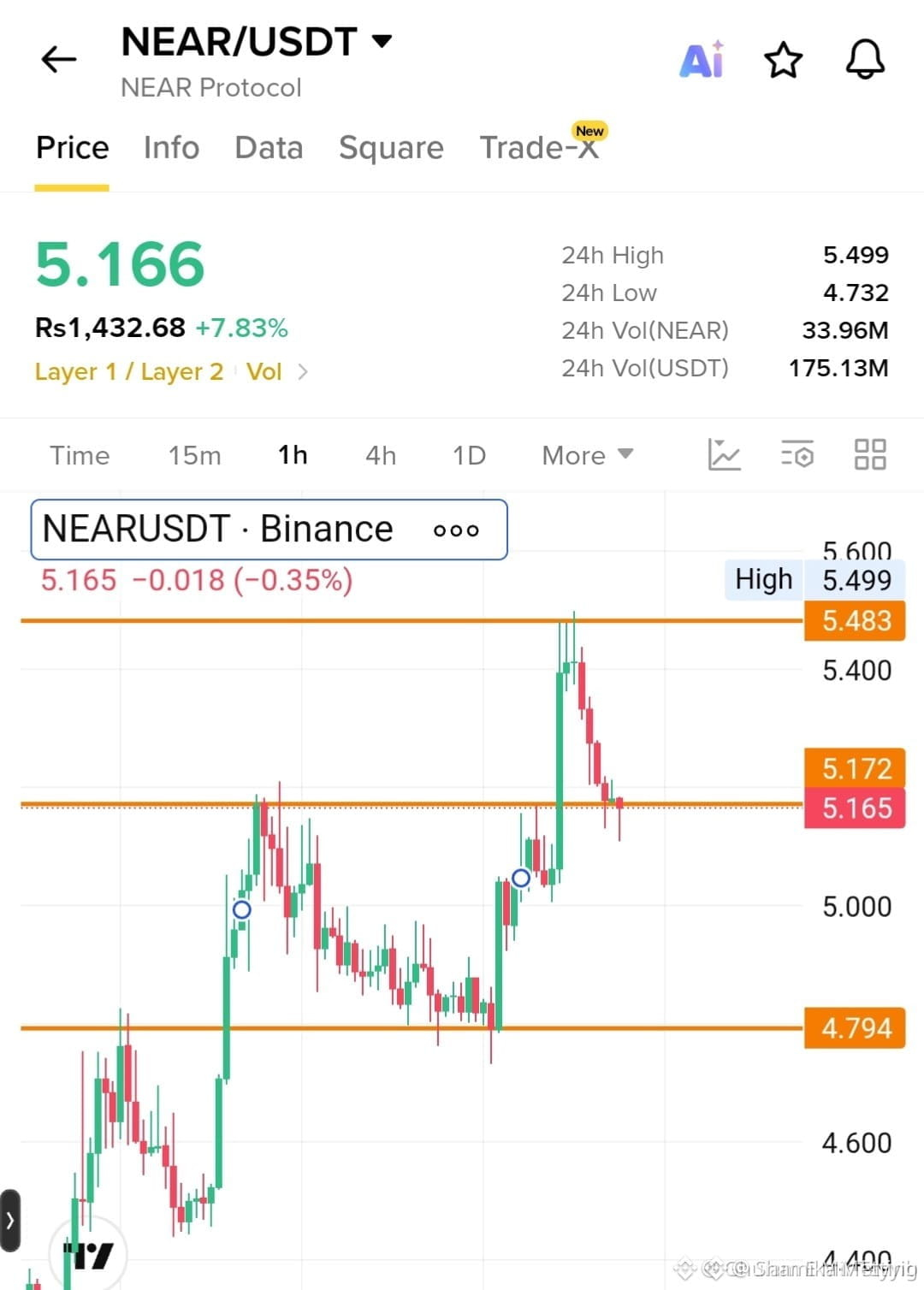
$NEAR ارتفع بنسبة 7.73% على خلفية الخبر، ما يعكس تزايد الترقب بشأن إمكانية الوصول المؤسسي إلى الرمز عبر حسابات الوساطة التقليدية.
محفّز صعودي أم أنه مُسعّر بالكامل بالفعل؟ 👇
متابعة من فضلكم
#BitwiseFilesFinalNEARSpotETFProspectus #Near #ETF #Bitwise
أخبار كبيرة لـ$NEAR — قامت Bitwise للتو بتقديم نشرة الإصدار النهائية لصندوقها الفوري المتداول في <t-2/> NEAR، لتُدرجه في بورصة NYSE Arca تحت الرمز "NRR." يتتبع الصندوق سعر NEAR، كما يخطط إلى رَهنه لتحقيق عائد إضافي، وهي بنية مزدوجة الهدف نادرة بين صناديق العملات المشفرة المتداولة.
$NEAR ارتفع بنسبة 7.73% على خلفية الخبر، ما يعكس تزايد الترقب بشأن إمكانية الوصول المؤسسي إلى الرمز عبر حسابات الوساطة التقليدية.
محفّز صعودي أم أنه مُسعّر بالكامل بالفعل؟ 👇
متابعة من فضلكم
#BitwiseFilesFinalNEARSpotETFProspectus #Near #ETF #Bitwise
$NEAR ارتفع بنسبة 7.73% على خلفية الخبر، ما يعكس تزايد الترقب بشأن إمكانية الوصول المؤسسي إلى الرمز عبر حسابات الوساطة التقليدية.
محفّز صعودي أم أنه مُسعّر بالكامل بالفعل؟ 👇
متابعة من فضلكم
#BitwiseFilesFinalNEARSpotETFProspectus #Near #ETF #Bitwise

2
165
·
--
صاعد
عرض الترجمة
ارتفاع سعر عملة Zcash بنسبة 7% عقب تقديم Grayscale طلباً لصندوق جديد متداول في البورصة (ETF) يركز على العوائد المرتفعة. تقدمت شركة Grayscale بطلب لإطلاق صندوق متداول في البورصة (ETF) تحت اسم "ZCSH High Income"، يعتمد استراتيجية "الخيار المُغطى الاصطناعي" (synthetic covered call) المطبقة على صندوق Zcash الحالي التابع للشركة، وذلك بهدف توليد توزيعات نقدية كل أسبوعين. وقد أثار هذا المقترح -الذي يتيح للمستثمرين انكشافاً غير مباشر على عملة ZEC- اهتمام السوق، مما ساهم في ارتفاع سعر Zcash بنسبة 7%.
#zec #zcash #Grayscale #etf
$ZEC
{future}(ZECUSDT)
ارتفاع سعر عملة Zcash بنسبة 7% عقب تقديم Grayscale طلباً لصندوق جديد متداول في البورصة (ETF) يركز على العوائد المرتفعة. تقدمت شركة Grayscale بطلب لإطلاق صندوق متداول في البورصة (ETF) تحت اسم "ZCSH High Income"، يعتمد استراتيجية "الخيار المُغطى الاصطناعي" (synthetic covered call) المطبقة على صندوق Zcash الحالي التابع للشركة، وذلك بهدف توليد توزيعات نقدية كل أسبوعين. وقد أثار هذا المقترح -الذي يتيح للمستثمرين انكشافاً غير مباشر على عملة ZEC- اهتمام السوق، مما ساهم في ارتفاع سعر Zcash بنسبة 7%.
#zec #zcash #Grayscale #etf
$ZEC
#zec #zcash #Grayscale #etf
$ZEC
1
34

·
--
تمّ التحقق
🐕 الطلب على DOGE ETF يسجل أعلى مستوى تاريخي 🚀
سجلت صناديق الولايات المتحدة الفورية لـ Dogecoin أكبر تدفق أسبوعي منذ إطلاقها، حيث جذبت 2.89 مليون دولار في أموال جديدة مع نمو الاهتمام المؤسسي تدريجيًا. 📈
🔥 أبرز النقاط: • تدفقات DOGE ETF تغلبت على الرقم القياسي السابق البالغ 2.59 مليون دولار
• استحوذت Grayscale’s GDOG على معظم الطلب بحصة سوقية تقارب 81%
• تصفية Bitwise’s BWOW تضيف حالة من الاضطراب إلى مشهد DOGE ETF
• لا تزال صناديق DOGE ETF تمثل فقط 0.11% من إجمالي القيمة السوقية لـ DOGE
🐕 السيناريو الإيجابي: قد يؤدي طلب الـ ETF إلى جذب المزيد من الاهتمام السائد وتعزيز السرد طويل الأجل لـ DOGE.
⚠️ السيناريو السلبي: ما زالت التدفقات الحالية صغيرة مقارنة بصناديق Bitcoin ETF، ما يشير إلى أن التبني المؤسسي لا يزال في مرحلة مبكرة.
زخم DOGE ETF أم مجرد موجة حماس قصيرة الأجل؟ 👀
LIK E 👍 COMMENT 💬 SHARE 🚀
شارك رأيك: 🐕 هل DOGE صاعد أم هابط؟
#DOGE #Dogecoin #Crypto #ETF #Bitcoin
🐕 الطلب على DOGE ETF يسجل أعلى مستوى تاريخي 🚀
سجلت صناديق الولايات المتحدة الفورية لـ Dogecoin أكبر تدفق أسبوعي منذ إطلاقها، حيث جذبت 2.89 مليون دولار في أموال جديدة مع نمو الاهتمام المؤسسي تدريجيًا. 📈
🔥 أبرز النقاط: • تدفقات DOGE ETF تغلبت على الرقم القياسي السابق البالغ 2.59 مليون دولار
• استحوذت Grayscale’s GDOG على معظم الطلب بحصة سوقية تقارب 81%
• تصفية Bitwise’s BWOW تضيف حالة من الاضطراب إلى مشهد DOGE ETF
• لا تزال صناديق DOGE ETF تمثل فقط 0.11% من إجمالي القيمة السوقية لـ DOGE
🐕 السيناريو الإيجابي: قد يؤدي طلب الـ ETF إلى جذب المزيد من الاهتمام السائد وتعزيز السرد طويل الأجل لـ DOGE.
⚠️ السيناريو السلبي: ما زالت التدفقات الحالية صغيرة مقارنة بصناديق Bitcoin ETF، ما يشير إلى أن التبني المؤسسي لا يزال في مرحلة مبكرة.
زخم DOGE ETF أم مجرد موجة حماس قصيرة الأجل؟ 👀
LIK E 👍 COMMENT 💬 SHARE 🚀
شارك رأيك: 🐕 هل DOGE صاعد أم هابط؟
#DOGE #Dogecoin #Crypto #ETF #Bitcoin
سجلت صناديق الولايات المتحدة الفورية لـ Dogecoin أكبر تدفق أسبوعي منذ إطلاقها، حيث جذبت 2.89 مليون دولار في أموال جديدة مع نمو الاهتمام المؤسسي تدريجيًا. 📈
🔥 أبرز النقاط: • تدفقات DOGE ETF تغلبت على الرقم القياسي السابق البالغ 2.59 مليون دولار
• استحوذت Grayscale’s GDOG على معظم الطلب بحصة سوقية تقارب 81%
• تصفية Bitwise’s BWOW تضيف حالة من الاضطراب إلى مشهد DOGE ETF
• لا تزال صناديق DOGE ETF تمثل فقط 0.11% من إجمالي القيمة السوقية لـ DOGE
🐕 السيناريو الإيجابي: قد يؤدي طلب الـ ETF إلى جذب المزيد من الاهتمام السائد وتعزيز السرد طويل الأجل لـ DOGE.
⚠️ السيناريو السلبي: ما زالت التدفقات الحالية صغيرة مقارنة بصناديق Bitcoin ETF، ما يشير إلى أن التبني المؤسسي لا يزال في مرحلة مبكرة.
زخم DOGE ETF أم مجرد موجة حماس قصيرة الأجل؟ 👀
LIK E 👍 COMMENT 💬 SHARE 🚀
شارك رأيك: 🐕 هل DOGE صاعد أم هابط؟
#DOGE #Dogecoin #Crypto #ETF #Bitcoin

538


·
--
صاعد
تمّ التحقق
#Bitwise提交NEAR现货ETF最终招股书
على الرغم من أنني بعـت Solana خلال اليومين الماضيين، إلا أنه وبسبب ذلك يوجد الآن أيضًا عدد كبير من الـ U يمكن اعتباره كذخيرة. وباستغلال تحسن السوق، ابحث بسرعة عن بعض الأصول الجيدة للانطلاق.
قدّمت Btwise مؤخرًا الوثائق النهائية لإصدار ETF الفوري رقم $NEAR ، ووفقًا للإعلان الرسمي، يُتوقع أن يصل سعر $NEAR في عام 2030 إلى رقم مذهل قدره 155 دولارًا. وإذا صادفت سوق صعودي شديد للغاية، فقد يكون هناك احتمال أن يصل حتى إلى 562 دولارًا!
أليس من غير المعقول أن نتعجل في ركوب الموجة؟ حاليًا وضعت طلبًا فوريًا بسعر 5.1U، لا أطلب أن يرتفع $NEAR فورًا إلى 155U، فقط آمل أن يتضاعف قبل نهاية العام لقضاء عام جيد!
هل سيقرر الجميع زيادة مراكزهم في NEAR الفوري أم مجرد اللعب بالعقود الآجلة؟
#Near #etf
#Bitwise提交NEAR现货ETF最终招股书
على الرغم من أنني بعـت Solana خلال اليومين الماضيين، إلا أنه وبسبب ذلك يوجد الآن أيضًا عدد كبير من الـ U يمكن اعتباره كذخيرة. وباستغلال تحسن السوق، ابحث بسرعة عن بعض الأصول الجيدة للانطلاق.
قدّمت Btwise مؤخرًا الوثائق النهائية لإصدار ETF الفوري رقم $NEAR ، ووفقًا للإعلان الرسمي، يُتوقع أن يصل سعر $NEAR في عام 2030 إلى رقم مذهل قدره 155 دولارًا. وإذا صادفت سوق صعودي شديد للغاية، فقد يكون هناك احتمال أن يصل حتى إلى 562 دولارًا!
أليس من غير المعقول أن نتعجل في ركوب الموجة؟ حاليًا وضعت طلبًا فوريًا بسعر 5.1U، لا أطلب أن يرتفع $NEAR فورًا إلى 155U، فقط آمل أن يتضاعف قبل نهاية العام لقضاء عام جيد!
هل سيقرر الجميع زيادة مراكزهم في NEAR الفوري أم مجرد اللعب بالعقود الآجلة؟
#Near #etf
على الرغم من أنني بعـت Solana خلال اليومين الماضيين، إلا أنه وبسبب ذلك يوجد الآن أيضًا عدد كبير من الـ U يمكن اعتباره كذخيرة. وباستغلال تحسن السوق، ابحث بسرعة عن بعض الأصول الجيدة للانطلاق.
قدّمت Btwise مؤخرًا الوثائق النهائية لإصدار ETF الفوري رقم $NEAR ، ووفقًا للإعلان الرسمي، يُتوقع أن يصل سعر $NEAR في عام 2030 إلى رقم مذهل قدره 155 دولارًا. وإذا صادفت سوق صعودي شديد للغاية، فقد يكون هناك احتمال أن يصل حتى إلى 562 دولارًا!
أليس من غير المعقول أن نتعجل في ركوب الموجة؟ حاليًا وضعت طلبًا فوريًا بسعر 5.1U، لا أطلب أن يرتفع $NEAR فورًا إلى 155U، فقط آمل أن يتضاعف قبل نهاية العام لقضاء عام جيد!
هل سيقرر الجميع زيادة مراكزهم في NEAR الفوري أم مجرد اللعب بالعقود الآجلة؟
#Near #etf
1
5.5k

·
--
ما المقصود بـ"سلاسل عامة خاملـة/منتهية الصيت" تعود للحياة؟ $NEAR لماذا ارتفعت من 0.84 إلى 5 دولارات؟
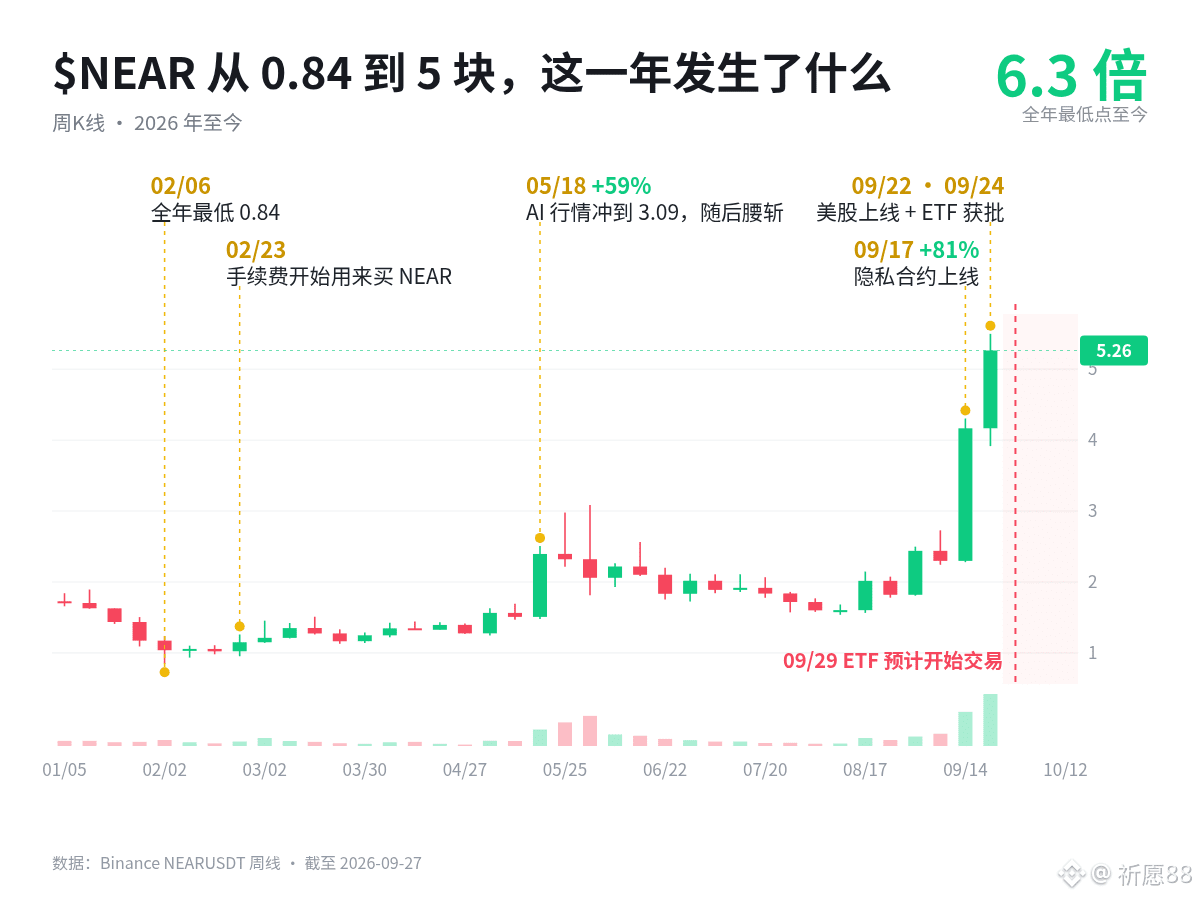
ارتفعت NEAR منذ فبراير من هذا العام من 0.84 دولار إلى نحو 5.2 دولارات حاليًا، أي أكثر من 6 أضعاف في ذلك الوقت. مجرّد ارتفاعها منذ 16 سبتمبر خلال هذه الـ12 يومًا فقط: تضاعف مرة واحدة.
بلغت NEAR أعلى مستوى عند 20 دولارًا، ثم تراجعت لاحقًا حتى أقل من دولار واحد، وتمت معاملتها منذ زمن كـ"سلسلة عامة منتهية الصيت". فكيف عادت فجأة إلى الحياة هذه المرة؟
أولًا لنعرف ماذا تغيّر في NEAR:
كان NEAR في السابق يبيع مفهوم "سلسلة عامة" (بلاك تشين): سرعة عالية ورسوم منخفضة، لكن لم يكن هناك مستخدمون تقريبًا. أما الآن فهي تركز على near.com: حساب واحد فقط يستطيع شراء وبيع مختلف الأصول على أكثر من 30 سلسلة. والطبقة الأساسية اسمها NEAR Intents. النقطة المحورية: الرسوم التي تجمعها Intents، تُستخدم في السوق لشراء NEAR.
بعبارة بسيطة: سابقًا كنتَ قد شققت طريقًا بلا سيارات لتسير عليه، بينما الآن فتحتَ متجرًا على جانب الطريق، وأرباح المتجر تُستخدم لشراء NEAR.
من 0.84 إلى 5 دولارات، يمكن تلخيص المسار إلى ثلاث مراحل:
· 23 فبراير: بدأت أموال المتجر تُستخدم لشراء NEAR، وقد وصل السعر تقريبًا إلى القاع في ذلك الوقت، ثم صعد تدريجيًا إلى 1.3
· مايو: مع موجة قطاع الذكاء الاصطناعي قفزت إلى 3.09، لكن اعتمادًا على المفهوم فقط، انهار نصف الزيادة خلال شهرين ونصف تقريبًا (انظر الجزء الأوسط من الرسم)
· الانفجار الحقيقي كان خلال هذه الـ12 يومًا: اتصلت المتجر بمنتجات/دفعات جديدة من النوعين الثلاثة 👇
1️⃣ 17 سبتمبر: عقود الخصوصية
Hyperliquid هي أكثر سلسلة منصات عقود على السلسلة العامة شهرة، لكن كل شيء—أي صفقات/مراكز يفتحها شخص—يمكن تتبعه. عندما يفتح أصحاب الأحجام الكبيرة صفقة، يُحاطون بالمتابعة والنسخ (follow)، بل وحتى قد يتعرضون عمدًا للضغط حتى سعر التصفية. يطلق على ذلك اسمًا شائعًا: "الاصطياد".
أطلقت near.com نسخة خصوصية: ما زالت الطبقة الأساسية هي Hyperliquid، لكن الآخرون لا يستطيعون معرفة لمن تعود المراكز. في يوم الإطلاق تجاوزت السيولة/حوض التمويل 70 مليون دولار، وارتفعت NEAR يومين متتاليين، بزيادة 20% يوميًا.
2️⃣ 22 سبتمبر: أسهم الولايات المتحدة (الأسهم الأميركية)
أطلقت Ondo تداول أسهم أميركية مُحوّلة إلى توكنات (tokenized) على near.com، ويمكن شراء أسهم مثل تسلا وNVIDIA مباشرة.
وتزامن ذلك مع بيانات قوية: ارتفع حجم التداول الأسبوعي لدى Intents من أكثر من 400 مليون دولار في أواخر يوليو إلى 1.28 مليار دولار، وسجل حجم تداول سبتمبر رقمًا قياسيًا جديدًا.
3️⃣ 24 سبتمبر: الموافقة على ETF
حصلت Bitwise على موافقة إدراج NEAR الفوري (spot) ETF في بورصة نيويورك، وأسرع بداية للتداول ستكون في 29 سبتمبر.
⚠️ لكن غالبًا ما يكون إطلاق ETF بمثابة "تحقق للأخبار الإيجابية"
بعد إطلاق ETF لكل من SOL وXRP في العام الماضي، تراجعت أسعار العملات خلال شهر واحد بنسبة 29% و15% على التوالي. وكان السوق العام كذلك في هبوط، فلا يمكن تحميل ETF وحده المسؤولية.
لكن هناك فرق: قبل إطلاق SOL وXRP، خلال الأسبوعين السابقين لم تشهد العملات ارتفاعًا كبيرًا أساسًا؛ بينما كانت NEAR قد تضاعفت بالفعل مسبقًا. كلما ارتفعت أكثر قبل الإعلان، زادت ضغوط التحقق/جني الأرباح.
رأيي: هذه المرة مختلفة عن موجة مايو. في مايو كانت مجرد فكرة/مفهوم، أما الآن فهناك بالفعل من يستخدمها. لكن إيرادات بروتوكول Intents خلال شهر واحد تبلغ 1.65 مليون دولار فقط، وهو رقم صغير مقارنة بالقيمة السوقية البالغة 6.8 مليار دولار؛ والسعر يبدو أنه سبق الأساسيات. في 29 سبتمبر، تدفّق السيولة في يوم ETF الأول هو أهم إشارة بعد ذلك.
هل تعتقد أن ETF لـ NEAR سيكون نقطة الانطلاق أم القمة؟ تفضل وناقش ذلك في قسم التعليقات 👇
#NEAR #ETF #Hyperliquid
المحتوى أعلاه يقتصر على مشاركة معلومات ولا يشكل نصيحة استثمارية.
ما المقصود بـ"سلاسل عامة خاملـة/منتهية الصيت" تعود للحياة؟ $NEAR لماذا ارتفعت من 0.84 إلى 5 دولارات؟
ارتفعت NEAR منذ فبراير من هذا العام من 0.84 دولار إلى نحو 5.2 دولارات حاليًا، أي أكثر من 6 أضعاف في ذلك الوقت. مجرّد ارتفاعها منذ 16 سبتمبر خلال هذه الـ12 يومًا فقط: تضاعف مرة واحدة.
بلغت NEAR أعلى مستوى عند 20 دولارًا، ثم تراجعت لاحقًا حتى أقل من دولار واحد، وتمت معاملتها منذ زمن كـ"سلسلة عامة منتهية الصيت". فكيف عادت فجأة إلى الحياة هذه المرة؟
أولًا لنعرف ماذا تغيّر في NEAR:
كان NEAR في السابق يبيع مفهوم "سلسلة عامة" (بلاك تشين): سرعة عالية ورسوم منخفضة، لكن لم يكن هناك مستخدمون تقريبًا. أما الآن فهي تركز على near.com: حساب واحد فقط يستطيع شراء وبيع مختلف الأصول على أكثر من 30 سلسلة. والطبقة الأساسية اسمها NEAR Intents. النقطة المحورية: الرسوم التي تجمعها Intents، تُستخدم في السوق لشراء NEAR.
بعبارة بسيطة: سابقًا كنتَ قد شققت طريقًا بلا سيارات لتسير عليه، بينما الآن فتحتَ متجرًا على جانب الطريق، وأرباح المتجر تُستخدم لشراء NEAR.
من 0.84 إلى 5 دولارات، يمكن تلخيص المسار إلى ثلاث مراحل:
· 23 فبراير: بدأت أموال المتجر تُستخدم لشراء NEAR، وقد وصل السعر تقريبًا إلى القاع في ذلك الوقت، ثم صعد تدريجيًا إلى 1.3
· مايو: مع موجة قطاع الذكاء الاصطناعي قفزت إلى 3.09، لكن اعتمادًا على المفهوم فقط، انهار نصف الزيادة خلال شهرين ونصف تقريبًا (انظر الجزء الأوسط من الرسم)
· الانفجار الحقيقي كان خلال هذه الـ12 يومًا: اتصلت المتجر بمنتجات/دفعات جديدة من النوعين الثلاثة 👇
1️⃣ 17 سبتمبر: عقود الخصوصية
Hyperliquid هي أكثر سلسلة منصات عقود على السلسلة العامة شهرة، لكن كل شيء—أي صفقات/مراكز يفتحها شخص—يمكن تتبعه. عندما يفتح أصحاب الأحجام الكبيرة صفقة، يُحاطون بالمتابعة والنسخ (follow)، بل وحتى قد يتعرضون عمدًا للضغط حتى سعر التصفية. يطلق على ذلك اسمًا شائعًا: "الاصطياد".
أطلقت near.com نسخة خصوصية: ما زالت الطبقة الأساسية هي Hyperliquid، لكن الآخرون لا يستطيعون معرفة لمن تعود المراكز. في يوم الإطلاق تجاوزت السيولة/حوض التمويل 70 مليون دولار، وارتفعت NEAR يومين متتاليين، بزيادة 20% يوميًا.
2️⃣ 22 سبتمبر: أسهم الولايات المتحدة (الأسهم الأميركية)
أطلقت Ondo تداول أسهم أميركية مُحوّلة إلى توكنات (tokenized) على near.com، ويمكن شراء أسهم مثل تسلا وNVIDIA مباشرة.
وتزامن ذلك مع بيانات قوية: ارتفع حجم التداول الأسبوعي لدى Intents من أكثر من 400 مليون دولار في أواخر يوليو إلى 1.28 مليار دولار، وسجل حجم تداول سبتمبر رقمًا قياسيًا جديدًا.
3️⃣ 24 سبتمبر: الموافقة على ETF
حصلت Bitwise على موافقة إدراج NEAR الفوري (spot) ETF في بورصة نيويورك، وأسرع بداية للتداول ستكون في 29 سبتمبر.
⚠️ لكن غالبًا ما يكون إطلاق ETF بمثابة "تحقق للأخبار الإيجابية"
بعد إطلاق ETF لكل من SOL وXRP في العام الماضي، تراجعت أسعار العملات خلال شهر واحد بنسبة 29% و15% على التوالي. وكان السوق العام كذلك في هبوط، فلا يمكن تحميل ETF وحده المسؤولية.
لكن هناك فرق: قبل إطلاق SOL وXRP، خلال الأسبوعين السابقين لم تشهد العملات ارتفاعًا كبيرًا أساسًا؛ بينما كانت NEAR قد تضاعفت بالفعل مسبقًا. كلما ارتفعت أكثر قبل الإعلان، زادت ضغوط التحقق/جني الأرباح.
رأيي: هذه المرة مختلفة عن موجة مايو. في مايو كانت مجرد فكرة/مفهوم، أما الآن فهناك بالفعل من يستخدمها. لكن إيرادات بروتوكول Intents خلال شهر واحد تبلغ 1.65 مليون دولار فقط، وهو رقم صغير مقارنة بالقيمة السوقية البالغة 6.8 مليار دولار؛ والسعر يبدو أنه سبق الأساسيات. في 29 سبتمبر، تدفّق السيولة في يوم ETF الأول هو أهم إشارة بعد ذلك.
هل تعتقد أن ETF لـ NEAR سيكون نقطة الانطلاق أم القمة؟ تفضل وناقش ذلك في قسم التعليقات 👇
#NEAR #ETF #Hyperliquid
المحتوى أعلاه يقتصر على مشاركة معلومات ولا يشكل نصيحة استثمارية.
ارتفعت NEAR منذ فبراير من هذا العام من 0.84 دولار إلى نحو 5.2 دولارات حاليًا، أي أكثر من 6 أضعاف في ذلك الوقت. مجرّد ارتفاعها منذ 16 سبتمبر خلال هذه الـ12 يومًا فقط: تضاعف مرة واحدة.
بلغت NEAR أعلى مستوى عند 20 دولارًا، ثم تراجعت لاحقًا حتى أقل من دولار واحد، وتمت معاملتها منذ زمن كـ"سلسلة عامة منتهية الصيت". فكيف عادت فجأة إلى الحياة هذه المرة؟
أولًا لنعرف ماذا تغيّر في NEAR:
كان NEAR في السابق يبيع مفهوم "سلسلة عامة" (بلاك تشين): سرعة عالية ورسوم منخفضة، لكن لم يكن هناك مستخدمون تقريبًا. أما الآن فهي تركز على near.com: حساب واحد فقط يستطيع شراء وبيع مختلف الأصول على أكثر من 30 سلسلة. والطبقة الأساسية اسمها NEAR Intents. النقطة المحورية: الرسوم التي تجمعها Intents، تُستخدم في السوق لشراء NEAR.
بعبارة بسيطة: سابقًا كنتَ قد شققت طريقًا بلا سيارات لتسير عليه، بينما الآن فتحتَ متجرًا على جانب الطريق، وأرباح المتجر تُستخدم لشراء NEAR.
من 0.84 إلى 5 دولارات، يمكن تلخيص المسار إلى ثلاث مراحل:
· 23 فبراير: بدأت أموال المتجر تُستخدم لشراء NEAR، وقد وصل السعر تقريبًا إلى القاع في ذلك الوقت، ثم صعد تدريجيًا إلى 1.3
· مايو: مع موجة قطاع الذكاء الاصطناعي قفزت إلى 3.09، لكن اعتمادًا على المفهوم فقط، انهار نصف الزيادة خلال شهرين ونصف تقريبًا (انظر الجزء الأوسط من الرسم)
· الانفجار الحقيقي كان خلال هذه الـ12 يومًا: اتصلت المتجر بمنتجات/دفعات جديدة من النوعين الثلاثة 👇
1️⃣ 17 سبتمبر: عقود الخصوصية
Hyperliquid هي أكثر سلسلة منصات عقود على السلسلة العامة شهرة، لكن كل شيء—أي صفقات/مراكز يفتحها شخص—يمكن تتبعه. عندما يفتح أصحاب الأحجام الكبيرة صفقة، يُحاطون بالمتابعة والنسخ (follow)، بل وحتى قد يتعرضون عمدًا للضغط حتى سعر التصفية. يطلق على ذلك اسمًا شائعًا: "الاصطياد".
أطلقت near.com نسخة خصوصية: ما زالت الطبقة الأساسية هي Hyperliquid، لكن الآخرون لا يستطيعون معرفة لمن تعود المراكز. في يوم الإطلاق تجاوزت السيولة/حوض التمويل 70 مليون دولار، وارتفعت NEAR يومين متتاليين، بزيادة 20% يوميًا.
2️⃣ 22 سبتمبر: أسهم الولايات المتحدة (الأسهم الأميركية)
أطلقت Ondo تداول أسهم أميركية مُحوّلة إلى توكنات (tokenized) على near.com، ويمكن شراء أسهم مثل تسلا وNVIDIA مباشرة.
وتزامن ذلك مع بيانات قوية: ارتفع حجم التداول الأسبوعي لدى Intents من أكثر من 400 مليون دولار في أواخر يوليو إلى 1.28 مليار دولار، وسجل حجم تداول سبتمبر رقمًا قياسيًا جديدًا.
3️⃣ 24 سبتمبر: الموافقة على ETF
حصلت Bitwise على موافقة إدراج NEAR الفوري (spot) ETF في بورصة نيويورك، وأسرع بداية للتداول ستكون في 29 سبتمبر.
⚠️ لكن غالبًا ما يكون إطلاق ETF بمثابة "تحقق للأخبار الإيجابية"
بعد إطلاق ETF لكل من SOL وXRP في العام الماضي، تراجعت أسعار العملات خلال شهر واحد بنسبة 29% و15% على التوالي. وكان السوق العام كذلك في هبوط، فلا يمكن تحميل ETF وحده المسؤولية.
لكن هناك فرق: قبل إطلاق SOL وXRP، خلال الأسبوعين السابقين لم تشهد العملات ارتفاعًا كبيرًا أساسًا؛ بينما كانت NEAR قد تضاعفت بالفعل مسبقًا. كلما ارتفعت أكثر قبل الإعلان، زادت ضغوط التحقق/جني الأرباح.
رأيي: هذه المرة مختلفة عن موجة مايو. في مايو كانت مجرد فكرة/مفهوم، أما الآن فهناك بالفعل من يستخدمها. لكن إيرادات بروتوكول Intents خلال شهر واحد تبلغ 1.65 مليون دولار فقط، وهو رقم صغير مقارنة بالقيمة السوقية البالغة 6.8 مليار دولار؛ والسعر يبدو أنه سبق الأساسيات. في 29 سبتمبر، تدفّق السيولة في يوم ETF الأول هو أهم إشارة بعد ذلك.
هل تعتقد أن ETF لـ NEAR سيكون نقطة الانطلاق أم القمة؟ تفضل وناقش ذلك في قسم التعليقات 👇
#NEAR #ETF #Hyperliquid
المحتوى أعلاه يقتصر على مشاركة معلومات ولا يشكل نصيحة استثمارية.
552

·
--
تمّ التحقق
🚨 ارتفاع الطلب على صندوق تداول سولانا المتداول (ETF)
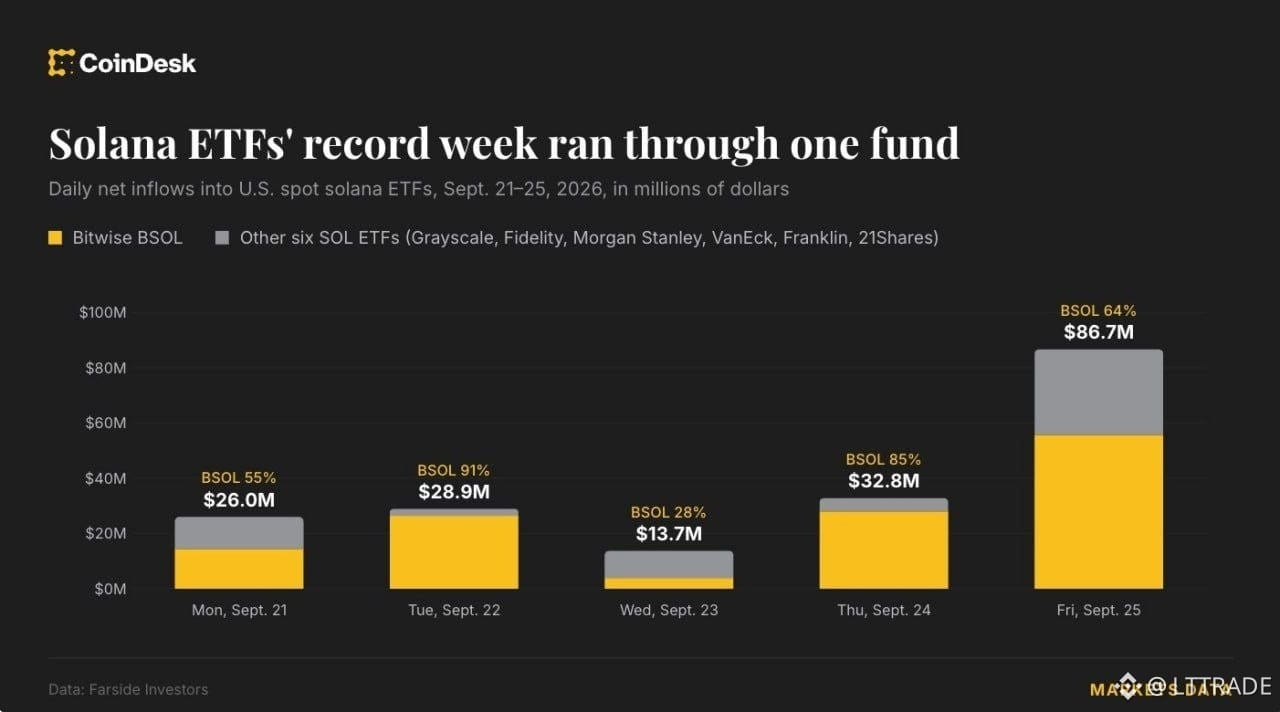
سجلت صناديق Spot الخاصة بـ $SOL تدفقات أسبوعية قياسية بلغت 188 مليون دولار، وفقًا لبيانات Farside. 💰📈
يُظهر الطلب المؤسسي على التعرض لسولانا زخمًا قويًا، ما يعيد $SOL إلى دائرة الضوء بين مستثمري العملات الرقمية.
👀 هل يمكن أن يصبح هذا النمو في طلب صناديق الاستثمار المتداولة محفزًا رئيسيًا لـ SOL؟
#Solana #etf
{spot}(SOLUSDT)
🚨 ارتفاع الطلب على صندوق تداول سولانا المتداول (ETF)
سجلت صناديق Spot الخاصة بـ $SOL تدفقات أسبوعية قياسية بلغت 188 مليون دولار، وفقًا لبيانات Farside. 💰📈
يُظهر الطلب المؤسسي على التعرض لسولانا زخمًا قويًا، ما يعيد $SOL إلى دائرة الضوء بين مستثمري العملات الرقمية.
👀 هل يمكن أن يصبح هذا النمو في طلب صناديق الاستثمار المتداولة محفزًا رئيسيًا لـ SOL؟
#Solana #etf
سجلت صناديق Spot الخاصة بـ $SOL تدفقات أسبوعية قياسية بلغت 188 مليون دولار، وفقًا لبيانات Farside. 💰📈
يُظهر الطلب المؤسسي على التعرض لسولانا زخمًا قويًا، ما يعيد $SOL إلى دائرة الضوء بين مستثمري العملات الرقمية.
👀 هل يمكن أن يصبح هذا النمو في طلب صناديق الاستثمار المتداولة محفزًا رئيسيًا لـ SOL؟
#Solana #etf
3

·
--
🔴 انخفض سعر البيتكوين دون 84,000 دولار، حيث أدت العناوين الجيوسياسية إلى هزة مفاجئة مع خروج رأس المال ⚡ في الأسواق المضاربية. ومع ذلك، ما زالت التدفقات القوية إلى صناديق الـETF الفورية تمتص ضغط البيع 📉 تحت مستوى الدعم الرئيسي. إذا لم تتفاقم عدوى الاقتصاد الكلي، فإن الطلب المؤسسي الهيكلي يشير إلى أن هذا التراجع المؤقت لتصفير الرافعة، وليس انعكاسًا لاتجاه السوق.
هل ستتغلب التدفقات المستمرة إلى صناديق الـETF على العوائق الجيوسياسية والاقتصادية الكلية لإعادة 85 ألف دولار هذا الأسبوع؟ 👇
#bitcoin #macro #etf #geopolitics #liquidity
🔴 انخفض سعر البيتكوين دون 84,000 دولار، حيث أدت العناوين الجيوسياسية إلى هزة مفاجئة مع خروج رأس المال ⚡ في الأسواق المضاربية. ومع ذلك، ما زالت التدفقات القوية إلى صناديق الـETF الفورية تمتص ضغط البيع 📉 تحت مستوى الدعم الرئيسي. إذا لم تتفاقم عدوى الاقتصاد الكلي، فإن الطلب المؤسسي الهيكلي يشير إلى أن هذا التراجع المؤقت لتصفير الرافعة، وليس انعكاسًا لاتجاه السوق.
هل ستتغلب التدفقات المستمرة إلى صناديق الـETF على العوائق الجيوسياسية والاقتصادية الكلية لإعادة 85 ألف دولار هذا الأسبوع؟ 👇
#bitcoin #macro #etf #geopolitics #liquidity
هل ستتغلب التدفقات المستمرة إلى صناديق الـETF على العوائق الجيوسياسية والاقتصادية الكلية لإعادة 85 ألف دولار هذا الأسبوع؟ 👇
#bitcoin #macro #etf #geopolitics #liquidity

215

·
--
🚨 عاجل: صناديق بيتكوين الفورية في الولايات المتحدة تسجل رقماً قياسياً بتدفقات أسبوعية بلغت 2.39 مليار دولار!
ارتفعت بشكل رسمي طلبات المؤسسات على البيتكوين إلى أعلى مستوياتها السنوية مجدداً. فقد سجلت صناديق بيتكوين الفورية أكبر تدفقات أسبوعية لها في 2026، لتعيد تدفقات العام حتى تاريخه بثبات إلى المنطقة الإيجابية.
📊 مستويات السوق الرئيسية:
• $BTC – تثبّت بقوة حول 85 ألف – 86 ألف دولار رغم جني الأرباح قصير الأجل.
• $ETH – امتصاص السيولة مع انتقال رأس المال المؤسسي إلى منتجات السوق الفورية.
• $SOL – إظهار قوة نسبية مرتفعة بينما تتصاعد مقاييس الشبكة.
💡 منظور المتداول: غالباً ما تشير التدفقات الكبيرة لصناديق ETF تاريخياً إلى فترات انتقالية كبرى قبل مرحلة التوسع التالية. راقب مناطق الدعم الرئيسية عن كثب.
هل تقوم بتجميع البيتكوين الفوري هنا أم تنتظر تراجعاً؟ شارك توجهك أدناه! 👇
#BinanceSquare #Bitcoin #CryptoNews #ETF
🚨 عاجل: صناديق بيتكوين الفورية في الولايات المتحدة تسجل رقماً قياسياً بتدفقات أسبوعية بلغت 2.39 مليار دولار!
ارتفعت بشكل رسمي طلبات المؤسسات على البيتكوين إلى أعلى مستوياتها السنوية مجدداً. فقد سجلت صناديق بيتكوين الفورية أكبر تدفقات أسبوعية لها في 2026، لتعيد تدفقات العام حتى تاريخه بثبات إلى المنطقة الإيجابية.
📊 مستويات السوق الرئيسية:
• $BTC – تثبّت بقوة حول 85 ألف – 86 ألف دولار رغم جني الأرباح قصير الأجل.
• $ETH – امتصاص السيولة مع انتقال رأس المال المؤسسي إلى منتجات السوق الفورية.
• $SOL – إظهار قوة نسبية مرتفعة بينما تتصاعد مقاييس الشبكة.
💡 منظور المتداول: غالباً ما تشير التدفقات الكبيرة لصناديق ETF تاريخياً إلى فترات انتقالية كبرى قبل مرحلة التوسع التالية. راقب مناطق الدعم الرئيسية عن كثب.
هل تقوم بتجميع البيتكوين الفوري هنا أم تنتظر تراجعاً؟ شارك توجهك أدناه! 👇
#BinanceSquare #Bitcoin #CryptoNews #ETF
ارتفعت بشكل رسمي طلبات المؤسسات على البيتكوين إلى أعلى مستوياتها السنوية مجدداً. فقد سجلت صناديق بيتكوين الفورية أكبر تدفقات أسبوعية لها في 2026، لتعيد تدفقات العام حتى تاريخه بثبات إلى المنطقة الإيجابية.
📊 مستويات السوق الرئيسية:
• $BTC – تثبّت بقوة حول 85 ألف – 86 ألف دولار رغم جني الأرباح قصير الأجل.
• $ETH – امتصاص السيولة مع انتقال رأس المال المؤسسي إلى منتجات السوق الفورية.
• $SOL – إظهار قوة نسبية مرتفعة بينما تتصاعد مقاييس الشبكة.
💡 منظور المتداول: غالباً ما تشير التدفقات الكبيرة لصناديق ETF تاريخياً إلى فترات انتقالية كبرى قبل مرحلة التوسع التالية. راقب مناطق الدعم الرئيسية عن كثب.
هل تقوم بتجميع البيتكوين الفوري هنا أم تنتظر تراجعاً؟ شارك توجهك أدناه! 👇
#BinanceSquare #Bitcoin #CryptoNews #ETF
3

·
--
عرض الترجمة
🚨 $SOL is quietly approaching its 24H high — but there’s another number worth watching.
Solana is trading around $117 after gaining ~2.5% in 24H, with price now close to the ~$118.3 daily high.
Meanwhile, U.S. spot Solana ETFs just recorded their biggest single day of inflows since launch:
💰 $86.7M Friday inflow
📊 ~$188M weekly inflows
📈 $SOL: ~+2.5% in 24H
👀 24H high: ~$118.3
Now the question is whether price can turn those flows into a sustained breakout.
A clean move above the current high would put momentum back in focus.
A rejection near $118 would make the next reaction just as interesting.
Institutional flows are rising. Price is testing the highs.
What happens next? 👇
$SOL
#sol #solana #crypto #ETF #BinanceSquare
🚨 $SOL is quietly approaching its 24H high — but there’s another number worth watching.
Solana is trading around $117 after gaining ~2.5% in 24H, with price now close to the ~$118.3 daily high.
Meanwhile, U.S. spot Solana ETFs just recorded their biggest single day of inflows since launch:
💰 $86.7M Friday inflow
📊 ~$188M weekly inflows
📈 $SOL : ~+2.5% in 24H
👀 24H high: ~$118.3
Now the question is whether price can turn those flows into a sustained breakout.
A clean move above the current high would put momentum back in focus.
A rejection near $118 would make the next reaction just as interesting.
Institutional flows are rising. Price is testing the highs.
What happens next? 👇
$SOL
#sol #solana #crypto #ETF #BinanceSquare
Solana is trading around $117 after gaining ~2.5% in 24H, with price now close to the ~$118.3 daily high.
Meanwhile, U.S. spot Solana ETFs just recorded their biggest single day of inflows since launch:
💰 $86.7M Friday inflow
📊 ~$188M weekly inflows
📈 $SOL : ~+2.5% in 24H
👀 24H high: ~$118.3
Now the question is whether price can turn those flows into a sustained breakout.
A clean move above the current high would put momentum back in focus.
A rejection near $118 would make the next reaction just as interesting.
Institutional flows are rising. Price is testing the highs.
What happens next? 👇
$SOL
#sol #solana #crypto #ETF #BinanceSquare
54

#crypto #etf
🚀 بيتكوين تسجل أعلى مستوى لها في 8 أشهر: عودة طلب صناديق الاستثمار المتداولة تعيد الزخم الصعودي
$BTC أغلق الأسبوع الماضي عند أعلى مستوى له في ثمانية أشهر—متجاوزًا 84,000 دولار، ليبلغ ذروة عند 87,401 دولار. ارتفع سعر العملة بالفعل بنحو 45% منذ أدنى مستوى له في يونيو.
📊 أبرز عوامل النمو:
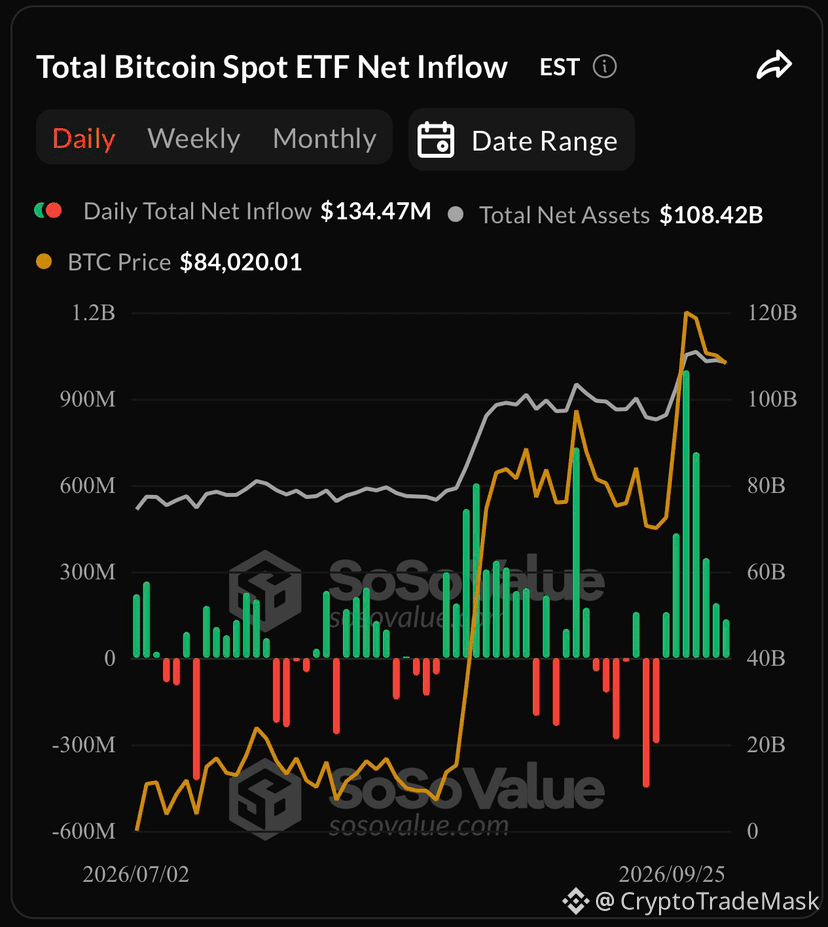
➡️ تدفقات قياسية لصناديق الاستثمار المتداولة: صناديق سبوت بيتكوين المتداولة في الولايات المتحدة اجتذبت 2.39 مليار دولار خلال الأسبوع (وفقًا لبيانات SoSoValue)—وهي أفضل أداء منذ أكتوبر 2025. شهد يوم الإثنين وحده تدفقًا يوميًا بلغ 999 مليون دولار.
➡️ عمليات استحواذ الشركات: قامت MicroStrategy بشراء 950 $BTC إضافية، لتصل إجمالي ممتلكاتها إلى 846,000 بيتكوين، بينما يلمّح مايكل سايلور بالفعل إلى مشتريات أخرى.
انتعاش مؤسسي: قامت المحافظ التي تحمل بين 100 و1,000 بيتكوين بتجميع 113,950 بيتكوين إضافية منذ منتصف يوليو (بإجمالي مشترك يصل الآن إلى 5.24 مليون بيتكوين في حساباتها).
➡️ انفصال عن سوق الأسهم: وفقًا لـ Santiment، ارتفعت بيتكوين بنسبة 36% منذ 18 أغسطس، بينما حقق مؤشر S&P 500 مكسبًا بنسبة 0.8% فقط وهبط الذهب بنسبة 1.5%. تتفكك العملات الرقمية بشكل حاسم عن الأصول التقليدية.
‼️ أدوات جديدة: أطلقت Tuttle Capital وStrive صندوق ETF تحت الرمز DCAP—أول صندوق «ائتمان رقمي» يستثمر في الأوراق المالية المفضلة للشركات التي تمتلك بيتكوين في ميزانياتها.
🧐 ما الخطوة التالية؟
تركيز الجميع منصب على المشهد الكلي (الماكرو). من المقرر صدور بيانات تضخم PCE في الولايات المتحدة يوم الأربعاء 30 سبتمبر. ووفقًا لتقديرات توم لي من Fundstrat، قد يؤدي منهج حساب مُحدّث إلى خفض التضخم الأساسي من 3.4% إلى قرابة 3%؛ ما قد يمنح الاحتياطي الفيدرالي مساحة لتخفيف خطابه وتوفير وقود جديد للسوق.
{future}(BTCUSDT)
#crypto #etf
🚀 بيتكوين تسجل أعلى مستوى لها في 8 أشهر: عودة طلب صناديق الاستثمار المتداولة تعيد الزخم الصعودي
$BTC أغلق الأسبوع الماضي عند أعلى مستوى له في ثمانية أشهر—متجاوزًا 84,000 دولار، ليبلغ ذروة عند 87,401 دولار. ارتفع سعر العملة بالفعل بنحو 45% منذ أدنى مستوى له في يونيو.
📊 أبرز عوامل النمو:
➡️ تدفقات قياسية لصناديق الاستثمار المتداولة: صناديق سبوت بيتكوين المتداولة في الولايات المتحدة اجتذبت 2.39 مليار دولار خلال الأسبوع (وفقًا لبيانات SoSoValue)—وهي أفضل أداء منذ أكتوبر 2025. شهد يوم الإثنين وحده تدفقًا يوميًا بلغ 999 مليون دولار.
➡️ عمليات استحواذ الشركات: قامت MicroStrategy بشراء 950 $BTC إضافية، لتصل إجمالي ممتلكاتها إلى 846,000 بيتكوين، بينما يلمّح مايكل سايلور بالفعل إلى مشتريات أخرى.
انتعاش مؤسسي: قامت المحافظ التي تحمل بين 100 و1,000 بيتكوين بتجميع 113,950 بيتكوين إضافية منذ منتصف يوليو (بإجمالي مشترك يصل الآن إلى 5.24 مليون بيتكوين في حساباتها).
➡️ انفصال عن سوق الأسهم: وفقًا لـ Santiment، ارتفعت بيتكوين بنسبة 36% منذ 18 أغسطس، بينما حقق مؤشر S&P 500 مكسبًا بنسبة 0.8% فقط وهبط الذهب بنسبة 1.5%. تتفكك العملات الرقمية بشكل حاسم عن الأصول التقليدية.
‼️ أدوات جديدة: أطلقت Tuttle Capital وStrive صندوق ETF تحت الرمز DCAP—أول صندوق «ائتمان رقمي» يستثمر في الأوراق المالية المفضلة للشركات التي تمتلك بيتكوين في ميزانياتها.
🧐 ما الخطوة التالية؟
تركيز الجميع منصب على المشهد الكلي (الماكرو). من المقرر صدور بيانات تضخم PCE في الولايات المتحدة يوم الأربعاء 30 سبتمبر. ووفقًا لتقديرات توم لي من Fundstrat، قد يؤدي منهج حساب مُحدّث إلى خفض التضخم الأساسي من 3.4% إلى قرابة 3%؛ ما قد يمنح الاحتياطي الفيدرالي مساحة لتخفيف خطابه وتوفير وقود جديد للسوق.
🚀 بيتكوين تسجل أعلى مستوى لها في 8 أشهر: عودة طلب صناديق الاستثمار المتداولة تعيد الزخم الصعودي
$BTC أغلق الأسبوع الماضي عند أعلى مستوى له في ثمانية أشهر—متجاوزًا 84,000 دولار، ليبلغ ذروة عند 87,401 دولار. ارتفع سعر العملة بالفعل بنحو 45% منذ أدنى مستوى له في يونيو.
📊 أبرز عوامل النمو:
➡️ تدفقات قياسية لصناديق الاستثمار المتداولة: صناديق سبوت بيتكوين المتداولة في الولايات المتحدة اجتذبت 2.39 مليار دولار خلال الأسبوع (وفقًا لبيانات SoSoValue)—وهي أفضل أداء منذ أكتوبر 2025. شهد يوم الإثنين وحده تدفقًا يوميًا بلغ 999 مليون دولار.
➡️ عمليات استحواذ الشركات: قامت MicroStrategy بشراء 950 $BTC إضافية، لتصل إجمالي ممتلكاتها إلى 846,000 بيتكوين، بينما يلمّح مايكل سايلور بالفعل إلى مشتريات أخرى.
انتعاش مؤسسي: قامت المحافظ التي تحمل بين 100 و1,000 بيتكوين بتجميع 113,950 بيتكوين إضافية منذ منتصف يوليو (بإجمالي مشترك يصل الآن إلى 5.24 مليون بيتكوين في حساباتها).
➡️ انفصال عن سوق الأسهم: وفقًا لـ Santiment، ارتفعت بيتكوين بنسبة 36% منذ 18 أغسطس، بينما حقق مؤشر S&P 500 مكسبًا بنسبة 0.8% فقط وهبط الذهب بنسبة 1.5%. تتفكك العملات الرقمية بشكل حاسم عن الأصول التقليدية.
‼️ أدوات جديدة: أطلقت Tuttle Capital وStrive صندوق ETF تحت الرمز DCAP—أول صندوق «ائتمان رقمي» يستثمر في الأوراق المالية المفضلة للشركات التي تمتلك بيتكوين في ميزانياتها.
🧐 ما الخطوة التالية؟
تركيز الجميع منصب على المشهد الكلي (الماكرو). من المقرر صدور بيانات تضخم PCE في الولايات المتحدة يوم الأربعاء 30 سبتمبر. ووفقًا لتقديرات توم لي من Fundstrat، قد يؤدي منهج حساب مُحدّث إلى خفض التضخم الأساسي من 3.4% إلى قرابة 3%؛ ما قد يمنح الاحتياطي الفيدرالي مساحة لتخفيف خطابه وتوفير وقود جديد للسوق.
68

·
--
دخلت Spot BTC ETFs للتو بأكبر أسبوع تدفقات منذ أكتوبر 2025 — 2.4 مليار دولار. المؤسسات تشتري الانخفاض بينما يهلع صغار المستثمرين. أنت تعرف ماذا يعني ذلك."
#Bitcoin #ETF #Institutional
دخلت Spot BTC ETFs للتو بأكبر أسبوع تدفقات منذ أكتوبر 2025 — 2.4 مليار دولار. المؤسسات تشتري الانخفاض بينما يهلع صغار المستثمرين. أنت تعرف ماذا يعني ذلك."
#Bitcoin #ETF #Institutional
#Bitcoin #ETF #Institutional
3

·
--
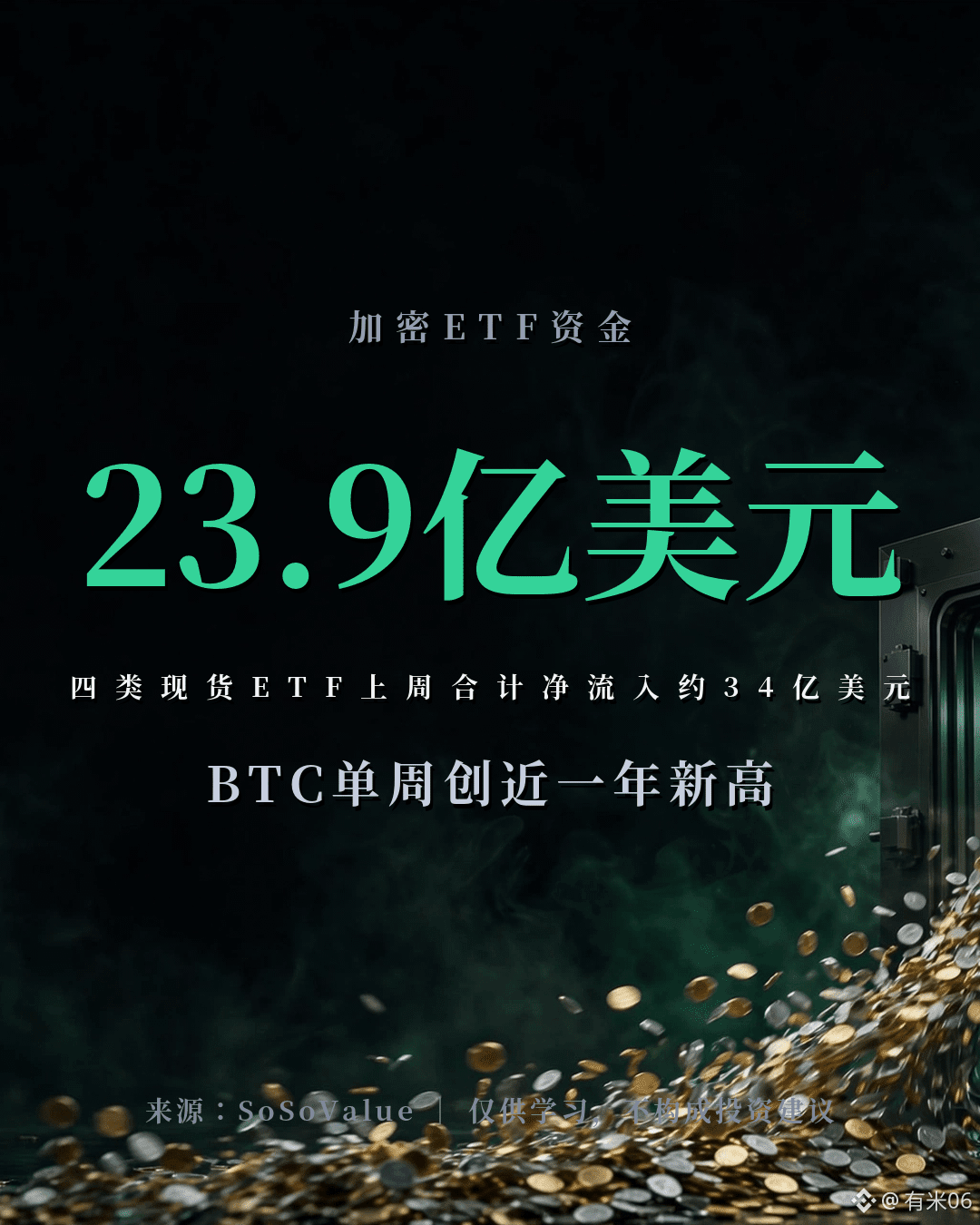
عادت أموال المؤسسات بقوة هذا الأسبوع الماضي: كل فئات صناديق الاستثمار المتداولة الفورية لِـ BTC وETH وSOL وXRP شهدت تدفقات صافية إلى الداخل، بإجمالي جذب يقارب 3.4 مليارات دولار.
ومن بين ذلك، سجلت صناديق الاستثمار المتداولة الفورية للبيتكوين تدفقًا صافياً بلغ 2.39 مليار دولار خلال أسبوع واحد، وهو الأكبر منذ أكتوبر من العام الماضي. وتستحوذ شركة بلاك روك (IBIT) وحدها على قرابة نصف المبلغ، إذ استمرت في الشراء لمدة 7 جلسات تداول متتالية. كما تم محو الفجوة التراكمية في الأموال خلال العام، والتي كانت 5.8 مليارات دولار، بالكامل، وأصبح صافي التدفقات التراكمي لعام 2026 إيجابيًا رسميًا.
والأمر المثير للاهتمام هو أن الصناديق استوعبت كميات كبيرة من جهة، لكن سعر العملة لم يواكب: فقد ارتفع سعر البيتكوين مرةً إلى 87 ألفًا الأسبوع الماضي، بينما كان “اللاعبون القدامى” يجنون الأرباح عند نطاق 84 ألف–87 ألفًا أثناء عمليات الشراء من جانب المؤسسات، فعاد السعر إلى حوالي 83 ألفًا. الطلب والعرض في مواجهة مباشرة.
البيانات حتى: 2026-09-28 12:00 UTC
المصدر: Cointelegraph؛ Coinomedia (البيانات مقتبسة من SoSoValue)
فقط للمشاركة المعلوماتية، ولا تشكل نصيحة استثمارية.
#比特币 #ETF
عادت أموال المؤسسات بقوة هذا الأسبوع الماضي: كل فئات صناديق الاستثمار المتداولة الفورية لِـ BTC وETH وSOL وXRP شهدت تدفقات صافية إلى الداخل، بإجمالي جذب يقارب 3.4 مليارات دولار.
ومن بين ذلك، سجلت صناديق الاستثمار المتداولة الفورية للبيتكوين تدفقًا صافياً بلغ 2.39 مليار دولار خلال أسبوع واحد، وهو الأكبر منذ أكتوبر من العام الماضي. وتستحوذ شركة بلاك روك (IBIT) وحدها على قرابة نصف المبلغ، إذ استمرت في الشراء لمدة 7 جلسات تداول متتالية. كما تم محو الفجوة التراكمية في الأموال خلال العام، والتي كانت 5.8 مليارات دولار، بالكامل، وأصبح صافي التدفقات التراكمي لعام 2026 إيجابيًا رسميًا.
والأمر المثير للاهتمام هو أن الصناديق استوعبت كميات كبيرة من جهة، لكن سعر العملة لم يواكب: فقد ارتفع سعر البيتكوين مرةً إلى 87 ألفًا الأسبوع الماضي، بينما كان “اللاعبون القدامى” يجنون الأرباح عند نطاق 84 ألف–87 ألفًا أثناء عمليات الشراء من جانب المؤسسات، فعاد السعر إلى حوالي 83 ألفًا. الطلب والعرض في مواجهة مباشرة.
البيانات حتى: 2026-09-28 12:00 UTC
المصدر: Cointelegraph؛ Coinomedia (البيانات مقتبسة من SoSoValue)
فقط للمشاركة المعلوماتية، ولا تشكل نصيحة استثمارية.
#比特币 #ETF
ومن بين ذلك، سجلت صناديق الاستثمار المتداولة الفورية للبيتكوين تدفقًا صافياً بلغ 2.39 مليار دولار خلال أسبوع واحد، وهو الأكبر منذ أكتوبر من العام الماضي. وتستحوذ شركة بلاك روك (IBIT) وحدها على قرابة نصف المبلغ، إذ استمرت في الشراء لمدة 7 جلسات تداول متتالية. كما تم محو الفجوة التراكمية في الأموال خلال العام، والتي كانت 5.8 مليارات دولار، بالكامل، وأصبح صافي التدفقات التراكمي لعام 2026 إيجابيًا رسميًا.
والأمر المثير للاهتمام هو أن الصناديق استوعبت كميات كبيرة من جهة، لكن سعر العملة لم يواكب: فقد ارتفع سعر البيتكوين مرةً إلى 87 ألفًا الأسبوع الماضي، بينما كان “اللاعبون القدامى” يجنون الأرباح عند نطاق 84 ألف–87 ألفًا أثناء عمليات الشراء من جانب المؤسسات، فعاد السعر إلى حوالي 83 ألفًا. الطلب والعرض في مواجهة مباشرة.
البيانات حتى: 2026-09-28 12:00 UTC
المصدر: Cointelegraph؛ Coinomedia (البيانات مقتبسة من SoSoValue)
فقط للمشاركة المعلوماتية، ولا تشكل نصيحة استثمارية.
#比特币 #ETF
3
·
--
مقالة
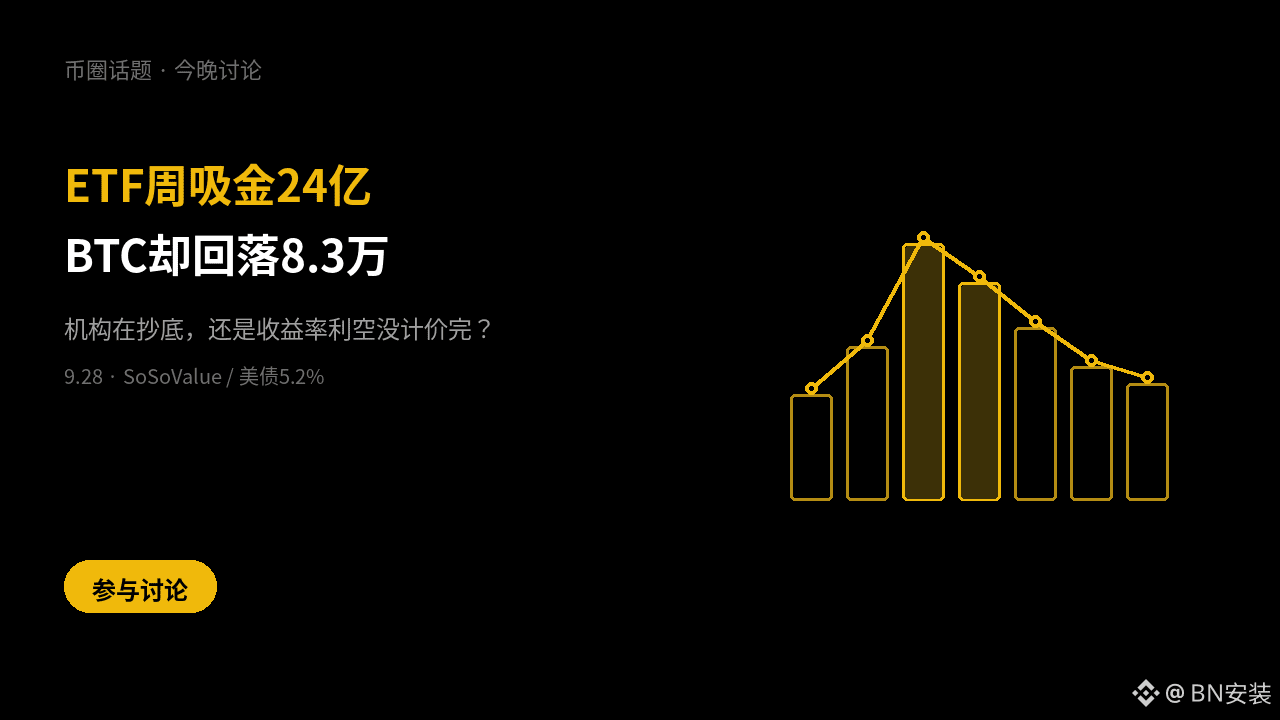
ETF يجتذب 2.4 مليار أسبوعيًا، لكن BTC يتراجع إلى 83 ألفًا: هل المؤسسات تشتري القاع أم أن العوائد لم تُحتسب بعد؟صناديق الاستثمار المتداولة تجتذب حوالي 2.4 مليار دولار خلال أسبوع، لكن سعر العملة ينزلق من نطاق 87 ألفًا تقريبًا إلى حوالي 83 ألفًا وما حولها—هل المؤسسات فعلًا تقوم بالتجميع (الشراء في الانخفاض)، أم أن سلبية عوائد سندات الخزانة الأميركية لم تُحتسب بعد؟
لنضع أولًا الأرقام التي يمكن التحقق منها اليوم على الطاولة: ووفقًا لبيانات SoSoValue، حتى الأسبوع المنتهي في 25 سبتمبر، بلغ صافي التدفقات الداخلة لصناديق البيتكوين الفورية المتداولة في الولايات المتحدة نحو 2.39–2.4 مليار دولار، وهو أقوى أسبوع منذ منتصف أكتوبر 2025، متجاوزًا أيضًا أعلى مستوى داخل العام الذي سجّلته في أغسطس بنحو 1.92 مليار دولار. فقد استحوذت BlackRock على نحو 1.2 مليار عبر IBIT، واستحوذت Fidelity على نحو 0.7 مليار عبر FBTC، واستحوذت Ark 21Shares على نحو 295 مليون عبر ARKB، لتبلغ حصتهم مجتمعةً أكثر من 90% من تدفقات الأسبوع. خلال يوم الإثنين وحده، اقتربت التدفقات من 1 مليار، ثم ضاقت لاحقًا مع تراجع BTC من فوق 87 ألف دولار، لتصل تدفقات يوم الجمعة إلى حوالي 135 مليونًا. وفي الفترة نفسها، سجلت صناديق الإيثيريوم الفورية المتداولة أيضًا صافي تدفقات داخلة بنحو 690 مليونًا. وحتى لحظة إعداد هذا التقرير، كانت مؤشرات مثل CoinGecko تشير إلى أن BTC تتذبذب غالبًا بين 83 ألفًا و84 ألف دولار، بينما بلغ مؤشر الخوف والطمع حوالي 74 (منطقة الجشع)، مرتفعًا قليلًا عن قرابة 70 قبل أسبوع.
ETF يجتذب 2.4 مليار أسبوعيًا، لكن BTC يتراجع إلى 83 ألفًا: هل المؤسسات تشتري القاع أم أن العوائد لم تُحتسب بعد؟
صناديق الاستثمار المتداولة تجتذب حوالي 2.4 مليار دولار خلال أسبوع، لكن سعر العملة ينزلق من نطاق 87 ألفًا تقريبًا إلى حوالي 83 ألفًا وما حولها—هل المؤسسات فعلًا تقوم بالتجميع (الشراء في الانخفاض)، أم أن سلبية عوائد سندات الخزانة الأميركية لم تُحتسب بعد؟
لنضع أولًا الأرقام التي يمكن التحقق منها اليوم على الطاولة: ووفقًا لبيانات SoSoValue، حتى الأسبوع المنتهي في 25 سبتمبر، بلغ صافي التدفقات الداخلة لصناديق البيتكوين الفورية المتداولة في الولايات المتحدة نحو 2.39–2.4 مليار دولار، وهو أقوى أسبوع منذ منتصف أكتوبر 2025، متجاوزًا أيضًا أعلى مستوى داخل العام الذي سجّلته في أغسطس بنحو 1.92 مليار دولار. فقد استحوذت BlackRock على نحو 1.2 مليار عبر IBIT، واستحوذت Fidelity على نحو 0.7 مليار عبر FBTC، واستحوذت Ark 21Shares على نحو 295 مليون عبر ARKB، لتبلغ حصتهم مجتمعةً أكثر من 90% من تدفقات الأسبوع. خلال يوم الإثنين وحده، اقتربت التدفقات من 1 مليار، ثم ضاقت لاحقًا مع تراجع BTC من فوق 87 ألف دولار، لتصل تدفقات يوم الجمعة إلى حوالي 135 مليونًا. وفي الفترة نفسها، سجلت صناديق الإيثيريوم الفورية المتداولة أيضًا صافي تدفقات داخلة بنحو 690 مليونًا. وحتى لحظة إعداد هذا التقرير، كانت مؤشرات مثل CoinGecko تشير إلى أن BTC تتذبذب غالبًا بين 83 ألفًا و84 ألف دولار، بينما بلغ مؤشر الخوف والطمع حوالي 74 (منطقة الجشع)، مرتفعًا قليلًا عن قرابة 70 قبل أسبوع.
لنضع أولًا الأرقام التي يمكن التحقق منها اليوم على الطاولة: ووفقًا لبيانات SoSoValue، حتى الأسبوع المنتهي في 25 سبتمبر، بلغ صافي التدفقات الداخلة لصناديق البيتكوين الفورية المتداولة في الولايات المتحدة نحو 2.39–2.4 مليار دولار، وهو أقوى أسبوع منذ منتصف أكتوبر 2025، متجاوزًا أيضًا أعلى مستوى داخل العام الذي سجّلته في أغسطس بنحو 1.92 مليار دولار. فقد استحوذت BlackRock على نحو 1.2 مليار عبر IBIT، واستحوذت Fidelity على نحو 0.7 مليار عبر FBTC، واستحوذت Ark 21Shares على نحو 295 مليون عبر ARKB، لتبلغ حصتهم مجتمعةً أكثر من 90% من تدفقات الأسبوع. خلال يوم الإثنين وحده، اقتربت التدفقات من 1 مليار، ثم ضاقت لاحقًا مع تراجع BTC من فوق 87 ألف دولار، لتصل تدفقات يوم الجمعة إلى حوالي 135 مليونًا. وفي الفترة نفسها، سجلت صناديق الإيثيريوم الفورية المتداولة أيضًا صافي تدفقات داخلة بنحو 690 مليونًا. وحتى لحظة إعداد هذا التقرير، كانت مؤشرات مثل CoinGecko تشير إلى أن BTC تتذبذب غالبًا بين 83 ألفًا و84 ألف دولار، بينما بلغ مؤشر الخوف والطمع حوالي 74 (منطقة الجشع)، مرتفعًا قليلًا عن قرابة 70 قبل أسبوع.
71

·
--
صاعد
يرتفع سعر البيتكوين مجددًا باتجاه 85 ألف دولار، ويسجّل زيادة بنسبة 44% في أفضل ثاني أداء للربع الثالث على الإطلاق، بينما قفزت إيثيريوم بنسبة 71%. (Bitcoin News)
- BTC مرتفع بنسبة 4.8% خلال آخر 7 أيام، متجاوزًا نمو السوق الأوسع للعملات المشفرة بنسبة 4.1%.
- طلب صناديق الاستثمار المتداولة (ETFs): أضافت صناديق بيتكوين 134 مليون دولار، ما يطيل سلسلة التدفقات الداخلة لمدة 7 أيام إلى 2.98 مليار دولار.
- رياح مواتية من السياسات: تقارير تقول إن الاحتياطي الاستراتيجي للبيتكوين بات أقرب من أي وقت مضى ليتم توقيعه وتحويله إلى قانون.
- الخزائن المؤسسية: تتحدى Strive مقترحًا من MSCI لاستبعاد شركات الخزينة المرتبطة بالبيتكوين من فهارسها.
المفارقة: ما زال BTC أقل بنحو 33% من مستوى قمته التاريخية.
المضاربون (bulls) يبنون عودة قوية، والنظام البيئي Web3 يراقب عن كثب.
هل تقوم بتجميعه (stacking)، أم التداول، أم تراقب فقط؟
#bitcoin #BTC #Web3 #Crypto #etf
يرتفع سعر البيتكوين مجددًا باتجاه 85 ألف دولار، ويسجّل زيادة بنسبة 44% في أفضل ثاني أداء للربع الثالث على الإطلاق، بينما قفزت إيثيريوم بنسبة 71%. (Bitcoin News)
- BTC مرتفع بنسبة 4.8% خلال آخر 7 أيام، متجاوزًا نمو السوق الأوسع للعملات المشفرة بنسبة 4.1%.
- طلب صناديق الاستثمار المتداولة (ETFs): أضافت صناديق بيتكوين 134 مليون دولار، ما يطيل سلسلة التدفقات الداخلة لمدة 7 أيام إلى 2.98 مليار دولار.
- رياح مواتية من السياسات: تقارير تقول إن الاحتياطي الاستراتيجي للبيتكوين بات أقرب من أي وقت مضى ليتم توقيعه وتحويله إلى قانون.
- الخزائن المؤسسية: تتحدى Strive مقترحًا من MSCI لاستبعاد شركات الخزينة المرتبطة بالبيتكوين من فهارسها.
المفارقة: ما زال BTC أقل بنحو 33% من مستوى قمته التاريخية.
المضاربون (bulls) يبنون عودة قوية، والنظام البيئي Web3 يراقب عن كثب.
هل تقوم بتجميعه (stacking)، أم التداول، أم تراقب فقط؟
#bitcoin #BTC #Web3 #Crypto #etf
- BTC مرتفع بنسبة 4.8% خلال آخر 7 أيام، متجاوزًا نمو السوق الأوسع للعملات المشفرة بنسبة 4.1%.
- طلب صناديق الاستثمار المتداولة (ETFs): أضافت صناديق بيتكوين 134 مليون دولار، ما يطيل سلسلة التدفقات الداخلة لمدة 7 أيام إلى 2.98 مليار دولار.
- رياح مواتية من السياسات: تقارير تقول إن الاحتياطي الاستراتيجي للبيتكوين بات أقرب من أي وقت مضى ليتم توقيعه وتحويله إلى قانون.
- الخزائن المؤسسية: تتحدى Strive مقترحًا من MSCI لاستبعاد شركات الخزينة المرتبطة بالبيتكوين من فهارسها.
المفارقة: ما زال BTC أقل بنحو 33% من مستوى قمته التاريخية.
المضاربون (bulls) يبنون عودة قوية، والنظام البيئي Web3 يراقب عن كثب.
هل تقوم بتجميعه (stacking)، أم التداول، أم تراقب فقط؟
#bitcoin #BTC #Web3 #Crypto #etf
1
122

·
--
صاعد
صندوق Solana ETF يجتذب تدفقات صافية أسبوعية عند مستوى مرتفع جديد، لكن تجربة «امتلاك SOL» و«التحكم الحقيقي في الأصول» ما تزالا نوعين مختلفين من التجربة
---
28 سبتمبر 2026
وفقًا لتقرير CoinDesk، اجتذب صندوق Solana المتداول الفوري في الولايات المتحدة الأسبوع الماضي تدفقات صافية قدرها نحو 188 مليون دولار، وسُجلت التدفقات الداخلة في جميع الصناديق السبعة؛ حيث استحوذ صندوق Bitwise BSOL على حوالي 128 مليون دولار من ذلك. تتيح صناديق الاستثمار المتداولة للمستخدمين الحصول على تعرض لعملة SOL عبر حساب الوساطة دون الحاجة إلى إدارة محفظة العملات المشفرة بأنفسهم.
ومن جهة أخرى، يقوم مطورو Solana باختبار ترقية Alpenglow، بهدف تقليص زمن جعل المدفوعات تصل إلى حالة لا رجعة فيها من نحو 12.8 ثانية إلى حوالي 150 ميلي ثانية، إلا أن موعد إصدار الشبكة الرئيسية لم يُعلن بعد.
ويُنتج ذلك مقارنة جديرة بالمتابعة: تعمل بوابات التمويل التقليدية على خفض عتبة عملية «الشراء»، بينما تحاول الشبكة الأساسية تقليص وقت الانتظار لـ«التأكيد». لكن بالنسبة إلى المستخدمين، فإن مسألة من يحفظ الأصول، وما إذا كان يمكنهم فهم الصلاحيات قبل التوقيع، ومن يتحمل المسؤولية عند حدوث خطأ—لن تختفي تلقائيًا لمجرد أن المنتج بات أسرع.
المصدر: CoinDesk، تقرير بتاريخ 28 سبتمبر 2026
#AI #Web3 #MPC #Solana #ETF
صندوق Solana ETF يجتذب تدفقات صافية أسبوعية عند مستوى مرتفع جديد، لكن تجربة «امتلاك SOL» و«التحكم الحقيقي في الأصول» ما تزالا نوعين مختلفين من التجربة
---
28 سبتمبر 2026
وفقًا لتقرير CoinDesk، اجتذب صندوق Solana المتداول الفوري في الولايات المتحدة الأسبوع الماضي تدفقات صافية قدرها نحو 188 مليون دولار، وسُجلت التدفقات الداخلة في جميع الصناديق السبعة؛ حيث استحوذ صندوق Bitwise BSOL على حوالي 128 مليون دولار من ذلك. تتيح صناديق الاستثمار المتداولة للمستخدمين الحصول على تعرض لعملة SOL عبر حساب الوساطة دون الحاجة إلى إدارة محفظة العملات المشفرة بأنفسهم.
ومن جهة أخرى، يقوم مطورو Solana باختبار ترقية Alpenglow، بهدف تقليص زمن جعل المدفوعات تصل إلى حالة لا رجعة فيها من نحو 12.8 ثانية إلى حوالي 150 ميلي ثانية، إلا أن موعد إصدار الشبكة الرئيسية لم يُعلن بعد.
ويُنتج ذلك مقارنة جديرة بالمتابعة: تعمل بوابات التمويل التقليدية على خفض عتبة عملية «الشراء»، بينما تحاول الشبكة الأساسية تقليص وقت الانتظار لـ«التأكيد». لكن بالنسبة إلى المستخدمين، فإن مسألة من يحفظ الأصول، وما إذا كان يمكنهم فهم الصلاحيات قبل التوقيع، ومن يتحمل المسؤولية عند حدوث خطأ—لن تختفي تلقائيًا لمجرد أن المنتج بات أسرع.
المصدر: CoinDesk، تقرير بتاريخ 28 سبتمبر 2026
#AI #Web3 #MPC #Solana #ETF
---
28 سبتمبر 2026
وفقًا لتقرير CoinDesk، اجتذب صندوق Solana المتداول الفوري في الولايات المتحدة الأسبوع الماضي تدفقات صافية قدرها نحو 188 مليون دولار، وسُجلت التدفقات الداخلة في جميع الصناديق السبعة؛ حيث استحوذ صندوق Bitwise BSOL على حوالي 128 مليون دولار من ذلك. تتيح صناديق الاستثمار المتداولة للمستخدمين الحصول على تعرض لعملة SOL عبر حساب الوساطة دون الحاجة إلى إدارة محفظة العملات المشفرة بأنفسهم.
ومن جهة أخرى، يقوم مطورو Solana باختبار ترقية Alpenglow، بهدف تقليص زمن جعل المدفوعات تصل إلى حالة لا رجعة فيها من نحو 12.8 ثانية إلى حوالي 150 ميلي ثانية، إلا أن موعد إصدار الشبكة الرئيسية لم يُعلن بعد.
ويُنتج ذلك مقارنة جديرة بالمتابعة: تعمل بوابات التمويل التقليدية على خفض عتبة عملية «الشراء»، بينما تحاول الشبكة الأساسية تقليص وقت الانتظار لـ«التأكيد». لكن بالنسبة إلى المستخدمين، فإن مسألة من يحفظ الأصول، وما إذا كان يمكنهم فهم الصلاحيات قبل التوقيع، ومن يتحمل المسؤولية عند حدوث خطأ—لن تختفي تلقائيًا لمجرد أن المنتج بات أسرع.
المصدر: CoinDesk، تقرير بتاريخ 28 سبتمبر 2026
#AI #Web3 #MPC #Solana #ETF
68

·
--
بيتكوين تنخفض تحت 83 ألف دولار! لكن صناديق الاستثمار المتداولة (ETF) تستقطب 2.39 مليار دولار خلال أسبوع
تواصل البيتكوين اليوم التراجع، حيث انخفضت في أدنى مستوى مرة واحدة إلى نحو 82.8 ألف دولار، لتفقد مجددًا مستوى 83 ألف دولار.
وفي السابق، كانت BTC قد ارتفعت إلى 87 ألف دولار، لكن خلال أيام قليلة عادت إلى نطاق 83 ألف دولار مجددًا، ما يشير إلى أن تذبذب السوق قد زاد بشكل واضح.
لكن من المثير للاهتمام أن:
السعر ينخفض، بينما لا تزال أموال المؤسسات تتدفق.
في الأسبوع الماضي، بلغ إجمالي صافي التدفقات الداخلة إلى صناديق الاستثمار المتداولة الفورية للـBTC في الولايات المتحدة نحو 2.39 مليار دولار، مسجلًا أكبر تدفق أسبوعي منذ عام 2026.
ومن ذلك، بلغ صافي التدفق في يوم الإثنين وحده قرابة 999 مليون دولار، ثم استمر بعد ذلك بشكل متواصل كتدفقات صافية داخلة.
وهذا يخلق تباينًا واضحًا:
ضغط على BTC في الأجل القصير، لكن أموال صناديق الاستثمار المتداولة لم تنسحب بالتوازي.
حاليًا، يركز السوق على متغيرين رئيسيين:
① ما إذا كان بإمكان مستوى 83 ألف دولار الصمود
② ما إذا كانت التدفقات الداخلة إلى أموال ETF ستستمر في الحفاظ على زخمها
بالإضافة إلى ذلك، فإن ارتفاع أسعار النفط، وصعود عوائد سندات الخزانة الأمريكية، وتعزيز الدولار، يفرض أيضًا بعض الضغوط على الأصول ذات المخاطر.
لذلك، في الوقت الحالي، ما يستحق النظر إليه في البيتكوين ليس فقط "كم انخفضت".
بل:
عندما يعود السعر للتصحيح، هل لا تزال المؤسسات راغبة في الدخول والاستمرار في الشراء.
إذا واصلت صناديق ETF الحفاظ على صافي تدفقات داخلة، فلا يزال هيكل تمويل السوق يستحق المتابعة؛ أما إذا بدأت أموال ETF أيضًا في إظهار ضعف واضح، فقد تتغير مشاعر السوق بشكل إضافي.
#BTC #etf #比特币跌破8.3万美元
بيتكوين تنخفض تحت 83 ألف دولار! لكن صناديق الاستثمار المتداولة (ETF) تستقطب 2.39 مليار دولار خلال أسبوع
تواصل البيتكوين اليوم التراجع، حيث انخفضت في أدنى مستوى مرة واحدة إلى نحو 82.8 ألف دولار، لتفقد مجددًا مستوى 83 ألف دولار.
وفي السابق، كانت BTC قد ارتفعت إلى 87 ألف دولار، لكن خلال أيام قليلة عادت إلى نطاق 83 ألف دولار مجددًا، ما يشير إلى أن تذبذب السوق قد زاد بشكل واضح.
لكن من المثير للاهتمام أن:
السعر ينخفض، بينما لا تزال أموال المؤسسات تتدفق.
في الأسبوع الماضي، بلغ إجمالي صافي التدفقات الداخلة إلى صناديق الاستثمار المتداولة الفورية للـBTC في الولايات المتحدة نحو 2.39 مليار دولار، مسجلًا أكبر تدفق أسبوعي منذ عام 2026.
ومن ذلك، بلغ صافي التدفق في يوم الإثنين وحده قرابة 999 مليون دولار، ثم استمر بعد ذلك بشكل متواصل كتدفقات صافية داخلة.
وهذا يخلق تباينًا واضحًا:
ضغط على BTC في الأجل القصير، لكن أموال صناديق الاستثمار المتداولة لم تنسحب بالتوازي.
حاليًا، يركز السوق على متغيرين رئيسيين:
① ما إذا كان بإمكان مستوى 83 ألف دولار الصمود
② ما إذا كانت التدفقات الداخلة إلى أموال ETF ستستمر في الحفاظ على زخمها
بالإضافة إلى ذلك، فإن ارتفاع أسعار النفط، وصعود عوائد سندات الخزانة الأمريكية، وتعزيز الدولار، يفرض أيضًا بعض الضغوط على الأصول ذات المخاطر.
لذلك، في الوقت الحالي، ما يستحق النظر إليه في البيتكوين ليس فقط "كم انخفضت".
بل:
عندما يعود السعر للتصحيح، هل لا تزال المؤسسات راغبة في الدخول والاستمرار في الشراء.
إذا واصلت صناديق ETF الحفاظ على صافي تدفقات داخلة، فلا يزال هيكل تمويل السوق يستحق المتابعة؛ أما إذا بدأت أموال ETF أيضًا في إظهار ضعف واضح، فقد تتغير مشاعر السوق بشكل إضافي.
#BTC #etf #比特币跌破8.3万美元
تواصل البيتكوين اليوم التراجع، حيث انخفضت في أدنى مستوى مرة واحدة إلى نحو 82.8 ألف دولار، لتفقد مجددًا مستوى 83 ألف دولار.
وفي السابق، كانت BTC قد ارتفعت إلى 87 ألف دولار، لكن خلال أيام قليلة عادت إلى نطاق 83 ألف دولار مجددًا، ما يشير إلى أن تذبذب السوق قد زاد بشكل واضح.
لكن من المثير للاهتمام أن:
السعر ينخفض، بينما لا تزال أموال المؤسسات تتدفق.
في الأسبوع الماضي، بلغ إجمالي صافي التدفقات الداخلة إلى صناديق الاستثمار المتداولة الفورية للـBTC في الولايات المتحدة نحو 2.39 مليار دولار، مسجلًا أكبر تدفق أسبوعي منذ عام 2026.
ومن ذلك، بلغ صافي التدفق في يوم الإثنين وحده قرابة 999 مليون دولار، ثم استمر بعد ذلك بشكل متواصل كتدفقات صافية داخلة.
وهذا يخلق تباينًا واضحًا:
ضغط على BTC في الأجل القصير، لكن أموال صناديق الاستثمار المتداولة لم تنسحب بالتوازي.
حاليًا، يركز السوق على متغيرين رئيسيين:
① ما إذا كان بإمكان مستوى 83 ألف دولار الصمود
② ما إذا كانت التدفقات الداخلة إلى أموال ETF ستستمر في الحفاظ على زخمها
بالإضافة إلى ذلك، فإن ارتفاع أسعار النفط، وصعود عوائد سندات الخزانة الأمريكية، وتعزيز الدولار، يفرض أيضًا بعض الضغوط على الأصول ذات المخاطر.
لذلك، في الوقت الحالي، ما يستحق النظر إليه في البيتكوين ليس فقط "كم انخفضت".
بل:
عندما يعود السعر للتصحيح، هل لا تزال المؤسسات راغبة في الدخول والاستمرار في الشراء.
إذا واصلت صناديق ETF الحفاظ على صافي تدفقات داخلة، فلا يزال هيكل تمويل السوق يستحق المتابعة؛ أما إذا بدأت أموال ETF أيضًا في إظهار ضعف واضح، فقد تتغير مشاعر السوق بشكل إضافي.
#BTC #etf #比特币跌破8.3万美元
175

·
--
🚨 صدمة دوجي DOGE عند 0.10 دولار! تدفقات صناديق ETF إلى الداخل تسجل رقمًا قياسيًا،
حوت ضخم يشتري 1.14 مليار قطعة، لكن هناك نقطة حاسمة!🔥
المجموعة: [点击进入玖玖短线策略群](https://app.binance.com/uni-qr/MrCvb95Z)
بدأت عملة دوجكوين (DOGE) مؤخرًا تشتعل من جديد.
يتداول DOGE حاليًا قرب 0.0926 دولار، بانخفاض خلال اليوم بنحو 5.5%، بعد أن لامست سابقًا حوالي 0.0988 دولار.
لا يَفصلنا سوى خطوة واحدة عن 0.10 دولار التي يتابعها السوق مرارًا.
لكن ما يستحق الانتباه في هذه المرة ليس فقط ما إذا كان DOGE قد وصل إلى 0.10 دولار، بل:
تدفقات أموال ETF وأموال الحيتان تدخل إلى السوق، لكن DOGE ما زال يُنتج عملات جديدة يوميًا.
🔥 لنبدأ مع ETF.
حتى أسبوع 25 سبتمبر، بلغ صافي التدفقات الداخلة لِصناديق DOGE الفورية حوالي 2.89 مليون دولار، لتُحطّم الرقم القياسي السابق لأسبوع واحد بنحو 2.59 مليون دولار.
وهذا يعني أن ETF يمنح DOGE مدخلًا مؤسسيًا لِرأس المال لم يكن واضحًا بهذا الشكل من قبل.
واللافت أنه وفي الوقت الذي سجلت فيه تدفقات ETF رقمًا قياسيًا، ظهرت أيضًا تحركات واضحة من الحيتان.
تشير البيانات إلى أنه خلال نحو 96 ساعة عندما كان DOGE قريبًا من مستوى المقاومة 0.098 دولار، زاد الحيتان حيازاتهم بأكثر من 1.14 مليار قطعة DOGE، بقيمة تقارب 112 مليون دولار.
📈 ETF في شراء… والكبار أيضًا في شراء.
لكن توجد مشكلة——
إمداد DOGE أيضًا يزداد باستمرار.
مكافأة كل بلوك في دوجكوين تبلغ 10 آلاف DOGE، وبحساب تقريبي يتم إنتاج بلوك جديد كل دقيقة.
وبالتالي، يوميًا يتم إضافة حوالي 14.4 مليون DOGE، وبالأسبوع حوالي 100.8 مليون DOGE.
وبحسب الأسعار الحالية، فإن قيمة DOGE المضاف أسبوعيًا تقارب 9.3 مليون دولار.
أي أن صافي تدفقات ETF للأسبوع الماضي (حوالي 2.89 مليون دولار فقط) غير كافٍ وحده لتغطية القيمة الكاملة للإمداد المضاف خلال أسبوع.
📌 وهذه هي النقطة التي تجعل DOGE يختلف عن العديد من الأصول ذات الندرة.
لا توجد له سقف ثابت للإمداد النهائي.
لذلك بالنسبة لـ DOGE، الأهم ليس مجرد: «هل دخلت أموال؟»، بل:
هل الطلب الإضافي يمكن أن يتجاوز الإمداد الإضافي بشكل مستمر على المدى الطويل؟
🔥 نعود إلى السعر.
من 0.098 إلى 0.10 دولار، لا يزال هذا نطاقًا مهمًا لصراع الثيران والدببة.
إذا استطاع DOGE أن يستعيد الثبات فوق 0.10 دولار، فقد يبدأ السوق بمزيد من التركيز على 0.105 دولار، وحتى نطاق 0.11—0.12 دولار.
أما إذا فشل الاندفاع مرة أخرى، فستصبح منطقة دعم قرب 0.09 دولار هي التي ينبغي مراقبتها عن كثب.
اضغط على صورة الملف الشخصي للانضمام إلى مجموعة شات زيزى وِدري للحصول على الاستراتيجية اليومية🚀
#DOGE #DOGECOİN #etf
🚨 صدمة دوجي DOGE عند 0.10 دولار! تدفقات صناديق ETF إلى الداخل تسجل رقمًا قياسيًا،
حوت ضخم يشتري 1.14 مليار قطعة، لكن هناك نقطة حاسمة!🔥
المجموعة: 点击进入玖玖短线策略群
بدأت عملة دوجكوين (DOGE) مؤخرًا تشتعل من جديد.
يتداول DOGE حاليًا قرب 0.0926 دولار، بانخفاض خلال اليوم بنحو 5.5%، بعد أن لامست سابقًا حوالي 0.0988 دولار.
لا يَفصلنا سوى خطوة واحدة عن 0.10 دولار التي يتابعها السوق مرارًا.
لكن ما يستحق الانتباه في هذه المرة ليس فقط ما إذا كان DOGE قد وصل إلى 0.10 دولار، بل:
تدفقات أموال ETF وأموال الحيتان تدخل إلى السوق، لكن DOGE ما زال يُنتج عملات جديدة يوميًا.
🔥 لنبدأ مع ETF.
حتى أسبوع 25 سبتمبر، بلغ صافي التدفقات الداخلة لِصناديق DOGE الفورية حوالي 2.89 مليون دولار، لتُحطّم الرقم القياسي السابق لأسبوع واحد بنحو 2.59 مليون دولار.
وهذا يعني أن ETF يمنح DOGE مدخلًا مؤسسيًا لِرأس المال لم يكن واضحًا بهذا الشكل من قبل.
واللافت أنه وفي الوقت الذي سجلت فيه تدفقات ETF رقمًا قياسيًا، ظهرت أيضًا تحركات واضحة من الحيتان.
تشير البيانات إلى أنه خلال نحو 96 ساعة عندما كان DOGE قريبًا من مستوى المقاومة 0.098 دولار، زاد الحيتان حيازاتهم بأكثر من 1.14 مليار قطعة DOGE، بقيمة تقارب 112 مليون دولار.
📈 ETF في شراء… والكبار أيضًا في شراء.
لكن توجد مشكلة——
إمداد DOGE أيضًا يزداد باستمرار.
مكافأة كل بلوك في دوجكوين تبلغ 10 آلاف DOGE، وبحساب تقريبي يتم إنتاج بلوك جديد كل دقيقة.
وبالتالي، يوميًا يتم إضافة حوالي 14.4 مليون DOGE، وبالأسبوع حوالي 100.8 مليون DOGE.
وبحسب الأسعار الحالية، فإن قيمة DOGE المضاف أسبوعيًا تقارب 9.3 مليون دولار.
أي أن صافي تدفقات ETF للأسبوع الماضي (حوالي 2.89 مليون دولار فقط) غير كافٍ وحده لتغطية القيمة الكاملة للإمداد المضاف خلال أسبوع.
📌 وهذه هي النقطة التي تجعل DOGE يختلف عن العديد من الأصول ذات الندرة.
لا توجد له سقف ثابت للإمداد النهائي.
لذلك بالنسبة لـ DOGE، الأهم ليس مجرد: «هل دخلت أموال؟»، بل:
هل الطلب الإضافي يمكن أن يتجاوز الإمداد الإضافي بشكل مستمر على المدى الطويل؟
🔥 نعود إلى السعر.
من 0.098 إلى 0.10 دولار، لا يزال هذا نطاقًا مهمًا لصراع الثيران والدببة.
إذا استطاع DOGE أن يستعيد الثبات فوق 0.10 دولار، فقد يبدأ السوق بمزيد من التركيز على 0.105 دولار، وحتى نطاق 0.11—0.12 دولار.
أما إذا فشل الاندفاع مرة أخرى، فستصبح منطقة دعم قرب 0.09 دولار هي التي ينبغي مراقبتها عن كثب.
اضغط على صورة الملف الشخصي للانضمام إلى مجموعة شات زيزى وِدري للحصول على الاستراتيجية اليومية🚀
#DOGE #DOGECOİN #etf
حوت ضخم يشتري 1.14 مليار قطعة، لكن هناك نقطة حاسمة!🔥
المجموعة: 点击进入玖玖短线策略群
بدأت عملة دوجكوين (DOGE) مؤخرًا تشتعل من جديد.
يتداول DOGE حاليًا قرب 0.0926 دولار، بانخفاض خلال اليوم بنحو 5.5%، بعد أن لامست سابقًا حوالي 0.0988 دولار.
لا يَفصلنا سوى خطوة واحدة عن 0.10 دولار التي يتابعها السوق مرارًا.
لكن ما يستحق الانتباه في هذه المرة ليس فقط ما إذا كان DOGE قد وصل إلى 0.10 دولار، بل:
تدفقات أموال ETF وأموال الحيتان تدخل إلى السوق، لكن DOGE ما زال يُنتج عملات جديدة يوميًا.
🔥 لنبدأ مع ETF.
حتى أسبوع 25 سبتمبر، بلغ صافي التدفقات الداخلة لِصناديق DOGE الفورية حوالي 2.89 مليون دولار، لتُحطّم الرقم القياسي السابق لأسبوع واحد بنحو 2.59 مليون دولار.
وهذا يعني أن ETF يمنح DOGE مدخلًا مؤسسيًا لِرأس المال لم يكن واضحًا بهذا الشكل من قبل.
واللافت أنه وفي الوقت الذي سجلت فيه تدفقات ETF رقمًا قياسيًا، ظهرت أيضًا تحركات واضحة من الحيتان.
تشير البيانات إلى أنه خلال نحو 96 ساعة عندما كان DOGE قريبًا من مستوى المقاومة 0.098 دولار، زاد الحيتان حيازاتهم بأكثر من 1.14 مليار قطعة DOGE، بقيمة تقارب 112 مليون دولار.
📈 ETF في شراء… والكبار أيضًا في شراء.
لكن توجد مشكلة——
إمداد DOGE أيضًا يزداد باستمرار.
مكافأة كل بلوك في دوجكوين تبلغ 10 آلاف DOGE، وبحساب تقريبي يتم إنتاج بلوك جديد كل دقيقة.
وبالتالي، يوميًا يتم إضافة حوالي 14.4 مليون DOGE، وبالأسبوع حوالي 100.8 مليون DOGE.
وبحسب الأسعار الحالية، فإن قيمة DOGE المضاف أسبوعيًا تقارب 9.3 مليون دولار.
أي أن صافي تدفقات ETF للأسبوع الماضي (حوالي 2.89 مليون دولار فقط) غير كافٍ وحده لتغطية القيمة الكاملة للإمداد المضاف خلال أسبوع.
📌 وهذه هي النقطة التي تجعل DOGE يختلف عن العديد من الأصول ذات الندرة.
لا توجد له سقف ثابت للإمداد النهائي.
لذلك بالنسبة لـ DOGE، الأهم ليس مجرد: «هل دخلت أموال؟»، بل:
هل الطلب الإضافي يمكن أن يتجاوز الإمداد الإضافي بشكل مستمر على المدى الطويل؟
🔥 نعود إلى السعر.
من 0.098 إلى 0.10 دولار، لا يزال هذا نطاقًا مهمًا لصراع الثيران والدببة.
إذا استطاع DOGE أن يستعيد الثبات فوق 0.10 دولار، فقد يبدأ السوق بمزيد من التركيز على 0.105 دولار، وحتى نطاق 0.11—0.12 دولار.
أما إذا فشل الاندفاع مرة أخرى، فستصبح منطقة دعم قرب 0.09 دولار هي التي ينبغي مراقبتها عن كثب.
اضغط على صورة الملف الشخصي للانضمام إلى مجموعة شات زيزى وِدري للحصول على الاستراتيجية اليومية🚀
#DOGE #DOGECOİN #etf

197
سجّل الدخول لاستكشاف المزيد من المُحتوى
انضم إلى مُستخدمي العملات الرقمية حول العالم على Binance Square
⚡️ احصل على أحدث المعلومات المفيدة عن العملات الرقمية.
💬 موثوقة من قبل أكبر منصّة لتداول العملات الرقمية في العالم.
👍 اكتشف الرؤى الحقيقية من صنّاع المُحتوى الموثوقين.
البريد الإلكتروني / رقم الهاتف
المواضيع الرائجة
1
#UKFCAWinsCourtOrderToRecover851400Pounds
3 مشاهدات
19 يقومون بالنقاش
2
#ChainlinkLaunchesCCIP2WithEnterpriseVerification
5,648 مشاهدات
346 يقومون بالنقاش
3
#GoldFallsTo$4144
3,475 مشاهدات
91 يقومون بالنقاش
4
#QNTFallsOver40%FromMorningHigh
29,960 مشاهدات
758 يقومون بالنقاش
5
#USDTAdds845900HoldersInPast7Days
388 مشاهدات
67 يقومون بالنقاش
6
#KospiFalls2.7%SamsungSKHynixDropOver5%
6,033 مشاهدات
338 يقومون بالنقاش
7
#BitgetCEOConfirms$388MStolenInHack
2,464 مشاهدات
36 يقومون بالنقاش
8
#BTCFallsBelow$83000
16,057 مشاهدات
134 يقومون بالنقاش
9
#BitgetDetailsSecurityIncidentTimeline
17,321 مشاهدات
500 يقومون بالنقاش
10
#BitcoinSpotETFs$2.39BWeeklyNetInflow
6,744 مشاهدات
32 يقومون بالنقاش